
Herend: Porcelain and Local History
Accommodation in Herend
Herend is shaped by its porcelain tradition and distinctive local history. At the modern Porcelánium, visitors can learn about Herend porcelain. Together with the manufactory buildings in the town center and the Roman Catholic church, these offer specific themes around which you can plan your stay in Herend.
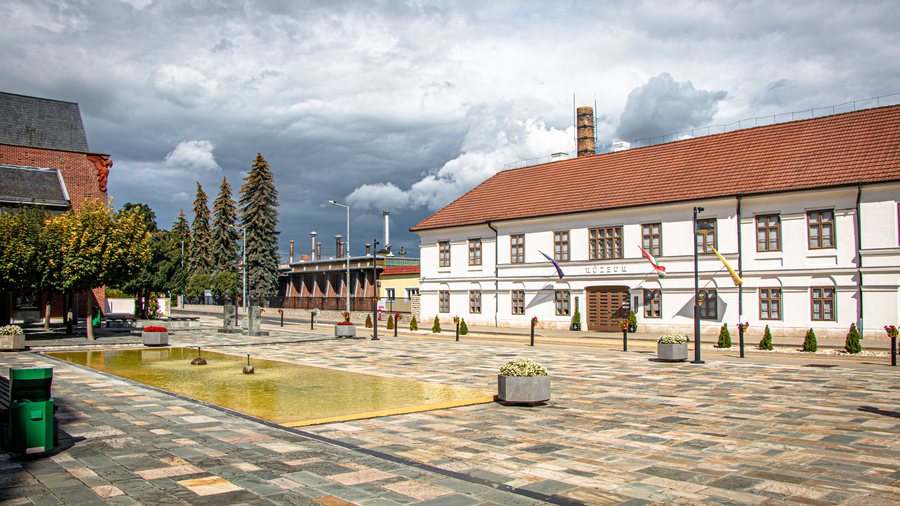
Herend at a glance
- The Porcelánium is a modern visitor center dedicated to Herend porcelain.
- The manufactory building complexes stand together in the town center, lining the main street.
- The Roman Catholic church was built from stone and wood in 1779 and remodeled in the Baroque style in 1828.
- The church features a porcelain window made in 1935.
What can you discover in Herend?
The Porcelánium offers an introduction to the subject that particularly defines the town: Herend porcelain. The manufactory building complexes stand together in the town center, lining the main street. This gives you two specific points of reference for finding your way around: the visitor center and the location of the manufactory buildings.
The church also brings together local history and porcelain in a special way. It was built from stone and wood in 1779 and remodeled in the Baroque style in 1828. The church also features a porcelain window made in 1935 at the Csapvári Csapek Károly porcelain manufactory. The building’s history and the window offer different perspectives on Herend: one detail concerns the development of church architecture, while the other reflects local porcelain production.
What else does the wider destination of North Balaton have to offer?
In the wider destination of North Balaton, the Tapolcai-tavasbarlang combines a nature experience with interpretation: boat trips are offered there, along with the guided exhibition “Csodálatos karszt” (“Wonderful Karst”). The cave is part of a cave system beneath the town, whose explored length currently totals 14.6 kilometers. This brings a boating activity and an exhibition together with the geological context of the cave system.
In the wider destination of North Balaton, Hegyestű offers a different geological perspective. The 337-meter-high mountain lies between Zánka and Monoszló; the inside of a basalt volcano that was active about eight million years ago is exposed there. From the viewpoint on the western edge of the quarry site, visitors can identify the surrounding hills with the help of a panorama board. A rock garden displays characteristic rock types of Transdanubia, the western half of Hungary. Here, views of the landscape, volcanic formation, and different rocks come together.
In the wider destination of North Balaton, other attractions cater to a range of cultural interests. The Pannon Csillagda in Bakonybél has an interactive exhibition on space travel and astronomy. The Levendula Ház features an interactive exhibition about the formation of the Tihany Peninsula and lavender cultivation; it also has a craft workshop and an experience garden. The visitor center at the Herend Porcelain Manufactory presents porcelain production, techniques, and traditions of applied art. The mini manufactory offers workshops where visitors can handle porcelain clay and a brush for painting.
The wider destination of North Balaton also offers nature and family attractions. The Ámos-hegyi Pihenőerdő offers hikers a 230-hectare area with a nature trail, an observation tower, a fitness trail, and forest playgrounds. The Veszprém Zoo offers year-round experiences spanning six continents for visitors of all ages. The Dinosaur Park features lifelike models, and children can take part in a real archaeological excavation there. The African Savannah Playground has rope rides, climbing frames, bouncy castles, and a safari-striped airplane.
This lets you first decide whether to focus on local cultural themes or include other nature, family, and exhibition attractions in your travel plans.
Discover more destinations: Pula, Hárskút, Veszprémfajsz, Tótvázsony, Bánd, Nemesvámos, Veszprém, Szentgál.
FAQ
What can visitors learn about at the Porcelánium?
The modern visitor center introduces visitors to Herend porcelain.
What is the architectural history of the church in Herend?
It was built from stone and wood in 1779 and remodeled in the Baroque style in 1828. It also features a porcelain window made in 1935.
What geological attractions are there in the wider destination of North Balaton?
At the Tapolcai-tavasbarlang, the focus is on boat trips, the guided “Csodálatos karszt” exhibition, and the cave system. Hegyestű reveals the inside of an ancient basalt volcano and has a panorama board at its viewpoint.
What activities for children are available in the wider destination of North Balaton?
At the Dinosaur Park in Veszprém Zoo, children can take part in a real archaeological excavation. The African Savannah Playground includes climbing frames, bouncy castles, and rope rides, among other attractions.
Go to the main travel overview: Veszprémi.

