
Zalakaros: Baths, Nature and Regional Culture
Accommodation in Zalakaros
The baths, Termáltó and Ökopart, and local highlights give Zalakaros several different sides. This can help you decide whether to focus your stay on the history of the baths, nature or local culture.
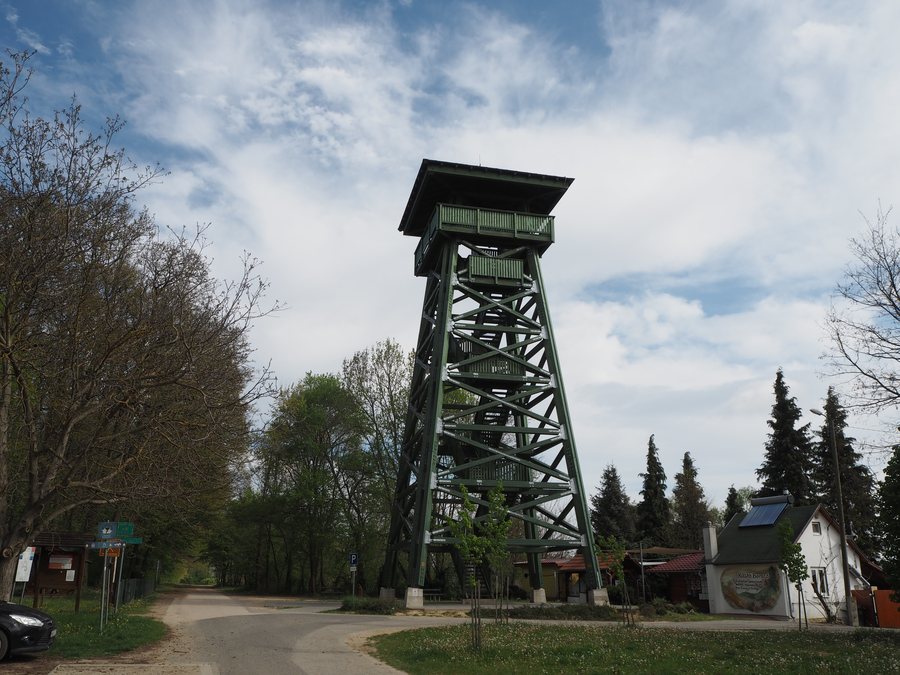
Zalakaros at a glance
Zalakarosi Fürdő is in the city centre and can be reached by car, bus or bicycle. Its history began in 1962, when water at 96 °C was discovered during an exploratory drilling operation. The baths opened on 5 September 1965. Termáltó and Ökopart was developed as an additional attraction to the spa and bathing facilities. Nature, regional dress and wine are also among the town’s distinctive themes.
What characterizes the bathing facilities in Zalakaros?
The history of Zalakarosi Fürdő did not begin with plans for a bathing complex, but with exploratory drilling: water at 96 °C was discovered in 1962. Three years later, on 5 September 1965, the baths opened. These two dates give the bathing facilities a specific historical context. If you are interested in how the town developed, a visit to the municipal baths today can be linked to their origins.
The Fürdő’s location in the city centre and its accessibility by car, bus or bicycle are also useful points to consider when planning your trip. You can choose how to get there based on how you are travelling to Zalakaros. This does not provide information about individual accommodations or their locations, so you should choose your hotel independently of the baths’ location.
What can you discover at Termáltó and Ökopart?
Termáltó and Ökopart adds further ways to explore the surroundings to the spa and bathing facilities. A nature trail on the southern shore leads through the surrounding forest. Information boards there explain which plants are locally protected. The trail combines time by the lake with information about plant life; the boards give the walk a specific natural history focus.
There is also a playground, a maze and an outdoor fitness park at Termáltó and Ökopart. These are different facilities at a named location: when planning, you can consider whether you are interested in the nature trail, the maze, the playground or working out in the fitness park. Treat these as separate options, not as a description of a set route.
What nature can you find in the surrounding area?
There are hiking and cycling trails around Zalakaros. This offers another perspective beyond the attractions at Termáltó and Ökopart: you can also consider Zalakaros as a base for hiking or cycling. This does not specify route lengths or connections between the trails and individual sights.
Kis-Balaton lies on the outskirts of Zalakaros and attracts visitors with its diverse bird and plant life. Those especially interested in nature will find a different point of interest here from the nature trail, whose information boards explain locally protected plants. This allows you to distinguish between the nature-related features of the town and its surroundings without presenting them as a single attraction.
What local features shape the culture and leisure activities?
Regional culture includes the “Gyöngyös fejdísz”, a distinctive piece of local dress in Zalakaros and the wider surrounding area. Originally, it consisted of a “Necc” cut into sections and made from a nape band. Its specific name and the described construction make this headdress a concrete example of the region’s traditional dress.
Another local specialty is Tónai, a wine variety from Zalakaros that has been passed down since the Middle Ages. It survived the phylloxera crisis. Currently, Tónai is available only as a young wine in some local wine cellars; more recent research classifies the variety as “Járdovány”. If you are interested in regional food and wine, this specialty complements the bathing and nature themes. The Kannavirág Festival is also held every summer, with a market and typical festive activities.
Other leisure activities in Zalakaros include a riding school, as well as football, tennis and bowling facilities. Alongside the baths and nature attractions, these offer a range of sporting activities to consider during your stay in the area.
Other destinations in this section: Nagyrada, Gelse, Zalasárszeg, Miháld, Kisrécse, Galambok and Balatonmagyaród.
FAQ
When did Zalakarosi Fürdő open?
The baths opened on 5 September 1965. This was preceded by the discovery of water at 96 °C during exploratory drilling in 1962.
What is there at Termáltó and Ökopart?
There is a nature trail through the forest on the southern shore, information boards about locally protected plants, a playground, a maze and an outdoor fitness park.
What regional specialties are associated with Zalakaros?
They include the “Gyöngyös fejdísz” from local dress, the Tónai wine variety and the Kannavirág Festival, held every summer with a market and festive activities.
For the broader travel overview: Zalakarosi.
More about the destination
Useful information for planning your trip:

