
Discover Atyrau: Nature, Rivers and History
Accommodation in Atyrau
Atyrau brings together vast natural areas, river landscapes and places whose history dates back to the Silk Road. When planning your trip, it’s worth first deciding whether nature, activities on the water or cultural heritage will be your main focus: the region offers a variety of themes and specific places to visit.
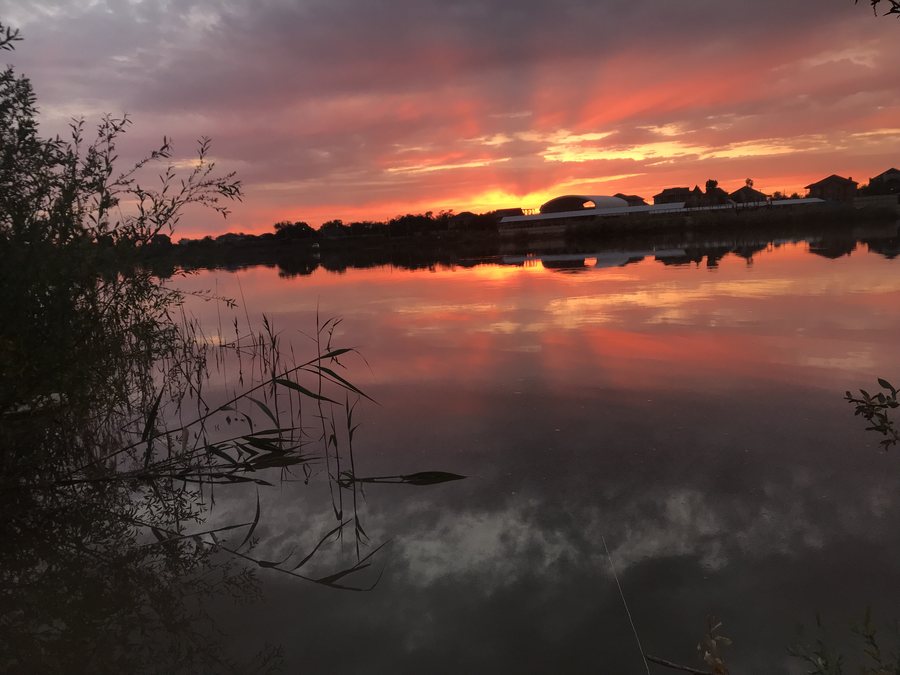
Atyrau at a glance
- The Akzhaiyk State Nature Reserve lies where the Ural River flows into the Caspian Sea and covers 341,000 hectares.
- A total of 292 bird species have been recorded in the reserve, including 26 species on Kazakhstan’s Red List.
- The world’s rare lotus grows in the Kigash River in Kurmangazy District. The river is also a popular place for recreational fishing, which is possible there year-round.
- The “World of the Steppe” route in Akzhaiyk Nature Reserve is 34 kilometres long, combines transport, hiking and cycling, and takes 4 hours and 10 minutes.
- In the 13th century, Saraishyk was an important political, trade and cultural centre on the Silk Road.
What landscapes and nature experiences does the region offer?
Akzhaiyk combines a vast protected landscape with a clear geographical setting: the reserve lies where the Ural River flows into the Caspian Sea. The recorded diversity of birdlife gives the landscape a particular appeal for nature enthusiasts. Of the 292 species recorded, 26 are on Kazakhstan’s Red List.
The lotus in the Kigash is another seasonal nature attraction. It grows in the river in Kurmangazy District, offering a different natural setting from Akzhaiyk’s expansive protected landscape. Narynqum adds another distinctive natural area north of the city of Atyrau. It covers 40,000 square kilometres and lies in Isatay and Kurmangazy districts. Together, these places reveal the region’s varied scale: a large natural area, a protected reserve at the river mouth and a river known for its lotus and fishing.
What activities can you plan?
Four official ecological routes have been approved in Akzhaiyk Nature Reserve. One of them is the 34-kilometre “World of the Steppe” route. Its stated duration of 4 hours and 10 minutes and its combination of transport, hiking and cycling make it a practical option for planning your time.
By contrast, recreational fishing is the main activity on the Kigash. It is popular there and possible year-round. Local access conditions may change, so it’s a good idea to check them before your visit. At Tuzdy Köl in Inder District, visitors take mud baths, which are considered therapeutic there. As facilities and conditions may change, check the situation before visiting.
Where can you encounter Atyrau’s history?
Saraishyk offers a glimpse into the history of the Silk Road: in the 13th century, the settlement was a major political, trade and cultural centre, as well as an important centre of the Golden Horde and the Kazakh Khanate. The Saraishyk State Historical and Cultural Museum-Reserve preserves more than 50,000 archaeological, ethnographic and natural history exhibits, including finds from archaeological excavations. Its history and collection offer two distinct perspectives: the role of the former centre and material evidence spanning a range of subjects.
In the city of Atyrau, the regional museum displays historical, archaeological and ethnographic exhibits from the region, from antiquity to the present day. Akmeshit is another spiritual point of interest: Beket Ata built an underground mosque there in 1771 and taught students. Akmeshit Cemetery is a sacred site in Zhylyoy District, 30 kilometres northeast of the village of Akkiiztogay. Overnight accommodation and a kitchen are available to visitors at Akmeshit; people come to the site each year for spiritual retreat. As these are visitor services, it is advisable to confirm the arrangements in advance.
Imankara Mountain in Zhylyoy District also brings landscape and cultural heritage together. It lies 60 kilometres northeast of Kulsary, is 2 kilometres long, 300 metres wide and 200 metres high, and contains Imankara Cave. The cave is 2 metres high, 2.5 metres wide and 25 metres deep; it consists of three corridors and niches. It may have been used as a place of worship in earlier times, but this has not been confirmed in historical accounts.
How can you focus your accommodation search on specific areas?
If you’re looking for a hotel, the interests of your travel group can be a good place to start: the nature reserve and its birdlife, fishing, lotus, museums or spiritual sites each point to different areas of interest. The subregions Atyrau, Karagayly, Zhana Aul and Rakusha offer further guidance when searching by area.
To compare other destinations, you can also explore Qaraghandy, Pavlodar, Zhangeldi District and South Kazakhstan.
FAQ
What makes Akzhaiyk Nature Reserve special?
Akzhaiyk lies where the Ural River flows into the Caspian Sea and covers 341,000 hectares. A total of 292 bird species have been recorded in the reserve, including 26 species on Kazakhstan’s Red List. Four ecological routes have also been approved there.
What are the details of the “World of the Steppe” route?
The route in Akzhaiyk Nature Reserve is 34 kilometres long and takes 4 hours and 10 minutes. It combines transport, hiking and cycling.
Which historic sites and collections are mentioned?
In Atyrau, the regional museum displays exhibits dating from antiquity to the present day. Saraishyk Museum-Reserve preserves more than 50,000 archaeological, ethnographic and natural history exhibits. Akmeshit is notable for its underground mosque, built by Beket Ata in 1771, and its tradition of spiritual visits.
For the broader travel overview: Kazakhstan.

