
Ropažu Municipality: Nature, Culture and Special Places in Latvia
Accommodation in Ropažu Municipality
Ropažu Municipality encompasses nature trails, waterscapes, cultural monuments and places where Latvian traditions are taught in a practical way. Forests, rivers, parks and historic buildings combine to create a diverse picture of this region of Latvia.
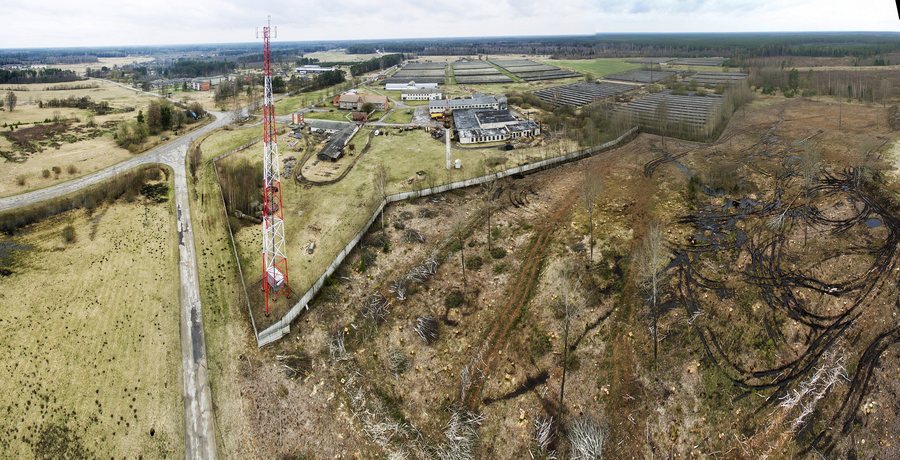 File:Ropažu novads, Latvia - panoramio (33).jpg
Photo: BirdsEyeLV via Wikimedia Commons, CC BY-SA 3.0
File:Ropažu novads, Latvia - panoramio (33).jpg
Photo: BirdsEyeLV via Wikimedia Commons, CC BY-SA 3.0
Orientation
The tourism and information point in Ropaži is located at Centra iela 3, Ropaži, Ropažu novads, LV-2135. The tourist information centres provide information about recreation and tourism opportunities in Ropažu Municipality and the Pierīga region and assist with organising excursions. You can also access Kangari and Vecmuiža as direct subregions of Ropažu Municipality.
Nature
Lielie Kangari is Latvia’s largest esker ridge and also a nature reserve of the same name. The ridge reaches an absolute height of 78 m and extends for approximately 26 km. The nature reserve lies in Ropažu Municipality and Suntaži Parish in Ogres Municipality.
The Tumšupes meži area encompasses EU-protected habitats: bog and swamp forests, pristine raised bogs, old or natural boreal forests, lichen-rich pine forests, old mixed deciduous forests, and fast-flowing and natural stretches of rivers. It also provides habitats for protected birds, including the capercaillie (Tetrao urogallus).
Near Ropaži, the Lielā Jugla has a 1.5 m-high dam that creates an artificial waterfall. A canal approximately 1.5 km long begins alongside it; the canal was built to operate a watermill. Upstream from Bajāri, the Lielā Jugla has rapids; there, the river’s gradient reaches 3.5 m per kilometre before the river becomes calm again at Zaķumuiža.
Trails and Water
The Zaķumuiža nature trail passes through an old manor park with centuries-old trees, plants, insects and birds. It can be used year-round on foot, with a pram, by bicycle or, in winter, on skis. The almost 2 km-long trail has a moderate difficulty level, features handrails on steeper sections and crosses the manor’s pond system via two bridges.
The Jānis Jaunsudrabiņš Discovery Trail is approximately 2 km long as a round trip. Information boards focus on nature, animals and insects and are complemented by quotations from the writer. The Lielie Kangari Nature Reserve also has a 33.5 m-high observation tower and a 2 km-long nature trail with information and health stations.
The Saurieši quarry area comprises four bodies of water separated by roads and paths. The paths are suitable for walking, active recreation, running and cycling. Regional cycle route No. 12, Dreiliņi–Mazozoli or Lejasdaugava–Ogres upes ieleja, passes through the area. The Saurieši quarry and its surroundings, with these four bodies of water and bathing areas, are suitable for swimming, walking, running, cycling, boating and fishing.
The approximately 1 km-long walking and play trail at Lake Ulbroka leads to an observation platform in the lake, bathing areas, sports fields, outdoor exercise equipment, a skate park, and obstacle and activity courses. A different focus is offered by Sports Complex 333: the multifunctional sports, recreation and driving-safety complex includes karting, a driving-safety training ground, an off-road park, a motocross and enduro park, and a water-bubble park.
Culture and History
The ruins of Ropaži Castle are the remains of a castle built in the 14th century by the brothers of the Livonian Order and burned down by Muscovite troops in 1559. They lie on the banks of the Lielā Jugla, on regional road P10 in Ropaži Parish.
Ropaži Church is a neo-Gothic brick church built in 1893 on the site of an earlier wooden church. Kangaru railway station opened on 26 November 1935 on the Riga–Ērgļi railway line. Its two-storey brick station building was completed in November 1937 and is now a cultural monument of local significance.
Līgo Park features eleven stone sculptures with Latvian ornamental symbols, created by sculptor Uldis Sterģis. The park also includes a landscape of oak and birch groves as well as life-size sculptures that invite visitors to relax and explore Latvian ornaments. During the summer season, it hosts dance and choral music concerts, open-air theatre performances and festivals.
Lante Manor was built in the second half of the 19th century as a log house with a stone tower and corner buildings. A park was created beside it, followed later by a stone bridge over the Lielā Jugla.
Crafts and Leisure
The “Krīvu klēts” Museum welcomes tourist groups and offers traditional Latvian farm activities, as well as an old barn, a crafts workshop and a forge. By prior arrangement, visitors can enjoy “Cira kāta” soup, coffee, tea, cake and non-alcoholic refreshments there; visitors are welcomed seasonally from May to October.
The Sauleskalna Crafts House offers hands-on workshops. These include baking bread or sklandrauši, making clay vessels, learning Latvian traditions, felting, candle making, and making birdhouses or torches.
At Alpu zirgi, families can meet domestic animals and explore a 1 km-long forest trail on horseback or on foot.
Other destinations in the same broader area include Apes Municipality, Tērvete Municipality, Ādaži Municipality, Pāvilosta Municipality, Līvāni Municipality and Madona Municipality.
To the broader travel overview: Latvia.

.jpg)