
Dūkštos: Church History and Nature in the Surroundings
Accommodation in Dūkštos
In Dūkštos, historic churches meet exhibitions about nature and regional culture. Nearby, a landscape reserve protects an oak forest and an erosion valley.
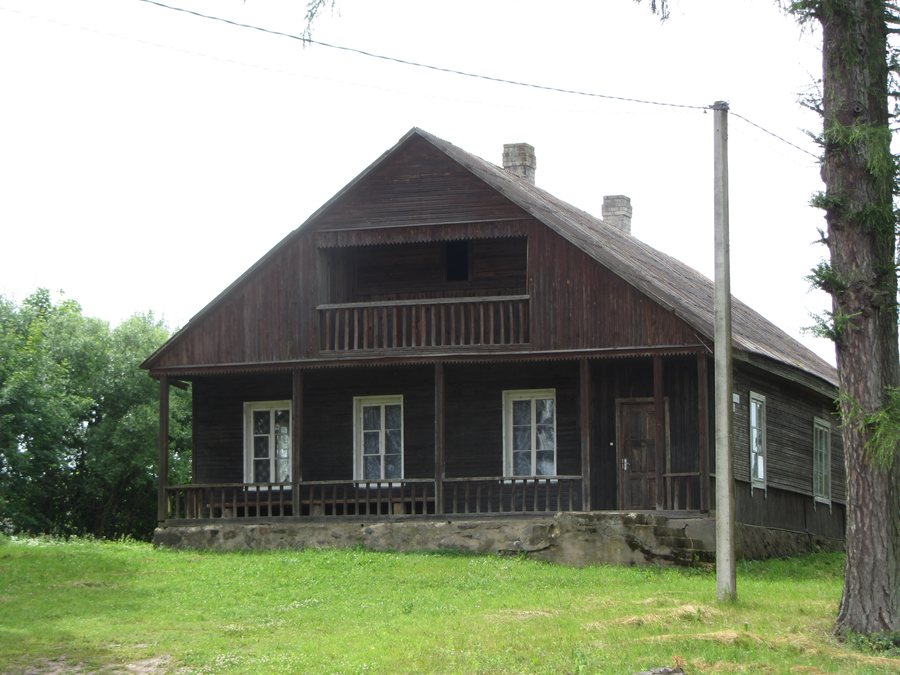
Quick facts about Dūkštos
- The first church in Dūkštos was built in 1647, partly of stone and partly of wood.
- The new Neo-Gothic Dūkštų Šv. Onos bažnyčia was consecrated in 1856.
- The Neris Regional Park Visitor Centre presents exhibitions on flora and fauna, traditional crafts, and folklore.
- The visitor centre is a place to start when planning a stay in the park.
- Nearby, the Dūkštų Landscape Reserve protects the Dūkštų ąžuolynas oak forest and the unique Dūkštos erosion valley.
What church history is associated with Dūkštos?
The local church history is marked by two distinct dates. The first church in Dūkštos was built in 1647, partly of stone and partly of wood. The new Neo-Gothic Dūkštų Šv. Onos bažnyčia was consecrated in 1856. These details refer to the first church and the later building: they are two distinct historical reference points, not a description of the same church building.
To help you understand the place, there is both an early church built from a mix of stone and wood and a later Neo-Gothic building to consider. The dates help distinguish these aspects without combining them into a single continuous building history. Those interested in architecture and local history have a concrete starting point for exploring these two historical moments in Dūkštos.
What does the Neris Regional Park Visitor Centre present?
The visitor centre’s exhibitions cover several topics: the park’s flora and fauna, traditional crafts, and folklore. Nature and cultural expression are presented side by side. This gives you an opportunity to learn about both the plant and animal life of the park and its crafts and folklore.
The centre is also a place to start when planning a stay in the park. This planning function complements the exhibition topics: you can explore nature and regional culture while also planning your time in the park there. If you’re looking for a hotel in Dūkštos for your trip, these different topics can help you decide which ones interest you most.
What protected landscape is nearby?
The Dūkštų Landscape Reserve is located near Dūkštos. It protects the Dūkštų ąžuolynas oak forest and the unique Dūkštos erosion valley.
To help you get your bearings, it is useful to distinguish between the two features: the oak forest is a protected woodland, while the erosion valley is a distinctive landform. Together, they provide a concrete connection to nature for your trip planning. These natural features complement the historical and cultural interests associated with the church and the visitor centre’s exhibitions.
How can you tailor your hotel search to your interests?
The topics in Dūkštos and the surrounding area can help guide your search. If you’re especially interested in church architecture and history, the two historical reference points offer a cultural starting point. If flora and fauna, crafts, or folklore matter more to you, the regional park centre’s exhibitions come to the fore. For nature interests, there is also the nearby landscape reserve with its oak forest and erosion valley.
This distinction can help you first decide what kind of trip you want, and then look for a hotel in Dūkštos. The topics represent different interests that you can take into account when planning.
Discover more destinations: Vilkiškės, Galgiai, Vilnius, Paberžė, Gineitiškės, Buivydiškės, Verkšionys and Skirlėnai.
FAQ
What historical information is available about the church in Dūkštos?
The first church was built in 1647, partly of stone and partly of wood. The new Neo-Gothic Dūkštų Šv. Onos bažnyčia was consecrated in 1856.
What topics are presented at the Neris Regional Park Visitor Centre?
The exhibitions cover the park’s flora and fauna, traditional crafts, and folklore. The centre is also a place to start when planning a stay in the park.
What landscape features does the Dūkštų Landscape Reserve protect?
Near Dūkštos, the reserve protects the Dūkštų ąžuolynas oak forest and the unique Dūkštos erosion valley.
For the main travel overview: Vilnius District Municipality.

.jpg)