
Paberžė: Local History, Monuments in the Surrounding Travel Area
Accommodation in Paberžė
Paberžė can be understood through its own history and through natural and architectural monuments in the wider travel area. If you are looking for accommodation, this distinction can help you choose the topics that matter for planning your trip.
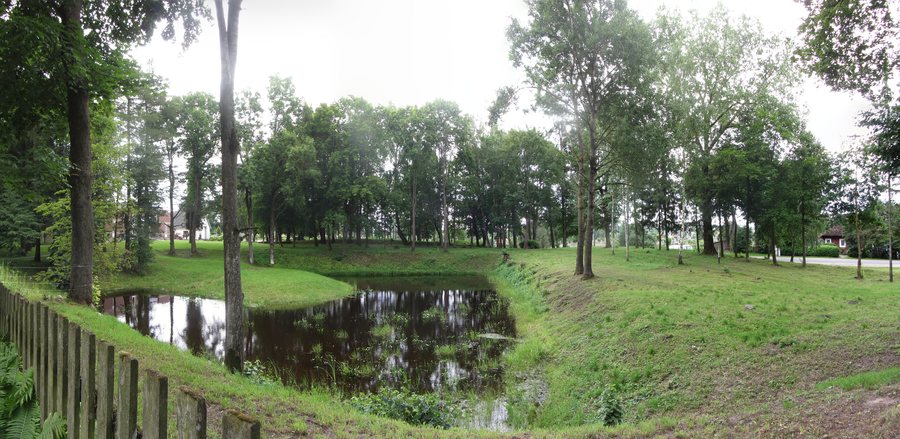
Paberžė at a glance
Augustinians were active in Paberžė from 1650 to 1830. A church built there in 1862 was converted into an Orthodox church in 1866 and burned down in 1887 under unexplained circumstances. The wider travel area also includes the protected Glitiškės Oak and the Glitiškės manor ensemble, an architectural monument dating from the 17th century.
What historical connections does Paberžė have?
Two details from different periods provide a framework for understanding Paberžė. The first covers the years 1650 to 1830, when Augustinians were active in the town. The second concerns a former church building. It was built in 1862, converted into an Orthodox church in 1866, and destroyed by fire in 1887. The circumstances of the fire remain unexplained.
The dates can be read as a concise timeline: the information about the Augustinians describes a longer period, while specific years are given for the church building’s construction, conversion, and destruction. The church fire refers to the former building; this account therefore does not describe the condition of a present-day church.
Those interested in local history will find specific dates here rather than a general historical overview. The years show which events belong to which periods. At the same time, the cause of the fire remains unknown and should not be presented as established.
Which monuments are in the wider travel area?
Two protected sites in the wider travel area add to the picture, but that does not make them features of Paberžė itself. The Glitiškės manor ensemble is a state-protected architectural monument dating from the 17th century. The Glitiškės Oak is a state-protected natural monument on the shore of Lake Širvys, in the manor park.
The oak’s measurements are also recorded: it is 25 metres tall, with a diameter of 2.3 metres and a circumference of 7 metres. These figures describe the tree, while the manor ensemble represents protected architectural heritage. If you are interested in cultural and natural monuments, you can distinguish between these two subjects: the historic ensemble and a single natural monument.
The geographical scale also matters for orientation. The oak and the manor ensemble belong to the wider travel area, while the Augustinians and the former church mentioned above are directly connected with Paberžė. This distinction makes the information easier to compare and prevents you from confusing a connection to the travel area with a location in the town.
How do you choose accommodation when planning your trip?
Start your search with Paberžė as your destination, then consider which themes will guide your plans: the town’s history or the natural and architectural monuments in the wider travel area. These are different areas of interest; the historical information alone does not determine a specific accommodation or location.
Use your own travel plans as a guide when comparing hotels. The historical topics described here mainly help you decide what direction to take your trip in.
Discover more destinations: Zujūnai, Verkšionys, Vilnius, Dūkštos, Buivydiškės, Gineitiškės, Sudervė, Skirlėnai.
FAQ
What historical connections are directly associated with Paberžė?
Augustinians were active in Paberžė from 1650 to 1830. A church built there in 1862 was converted into an Orthodox church in 1866 and burned down in 1887 under unexplained circumstances.
What is known about the Glitiškės Oak?
The oak is a state-protected natural monument on the shore of Lake Širvys, in the manor park. It is 25 metres tall, with a diameter of 2.3 metres and a circumference of 7 metres.
What makes the Glitiškės manor ensemble notable?
It is a state-protected architectural monument dating from the 17th century and belongs to the wider travel area, rather than being among the historical connections directly associated with Paberžė.
See the wider travel overview: Vilnius District Municipality.

.jpg)