
Ceradz Kościelny: Burial Chapels and Monument History
Accommodation in Ceradz Kościelny
Ceradz Kościelny offers several specific historical points of interest for culturally minded travelers: two burial chapels with distinct designs and a wooden cemetery bell tower. Their dates, dimensions, and memorial features help distinguish these local landmarks from one another.
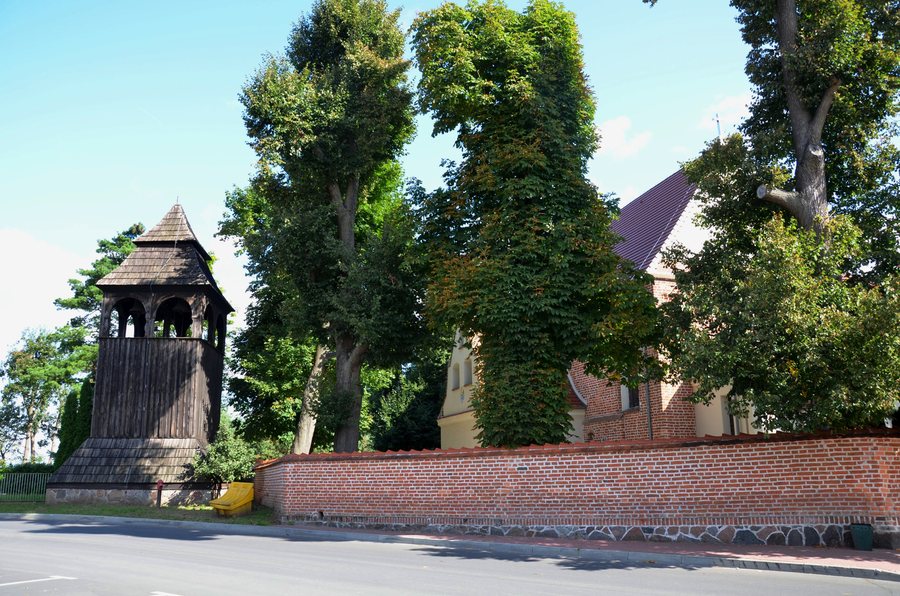 File:Zespół kościoła św. Stanisława w Ceradzu Kościelnym 02.JPG
Photo: Błażej Cisowski via Source, CC BY-SA 3.0 PL
File:Zespół kościoła św. Stanisława w Ceradzu Kościelnym 02.JPG
Photo: Błażej Cisowski via Source, CC BY-SA 3.0 PL
Ceradz Kościelny: Key Facts
The Potulicki burial chapel was added between 1550 and 1575 in the late Renaissance style. It stands on the south side of the church chancel and is now dedicated to Saint Stanislaus. It measures seven meters long and six meters wide. The Engeström burial chapel dates from the second half of the 19th century. Its features include an eclectic altar with sculptures dating from the 16th to the 18th century, as well as seven epitaph plaques commemorating members of the Engeström family. A wooden cemetery bell tower is associated with the year 1958.
How do the two burial chapels differ?
The Potulicki Chapel’s date, style, and location provide clear points of reference: the Potulicki family had it added between 1550 and 1575 on the south side of the church chancel. Its late Renaissance style and present-day dimensions of seven by six meters are specific points to consider when looking at its architecture. Its present-day dedication to Saint Stanislaus is another feature that helps identify it.
The Engeström Chapel, by contrast, dates from the second half of the 19th century. Its eclectic altar brings together different design elements, and the sculptures associated with it date from the 16th to the 18th century. The chapel’s construction date and the dates of the artworks therefore represent different historical periods. If you are interested in architecture, this chronological contrast can be noted as a distinct point of comparison without treating the two burial chapels as the same.
What memorial features distinguish the Engeström Chapel?
The memorial plaques and family coat of arms give the Engeström Chapel a strong commemorative character. Seven epitaph plaques honor members of the Engeström family. A cartouche bearing the family coat of arms is also located above the entrance. Another epitaph is dedicated to Lars Engeström and his wife Rozalia née Chłapowski: it features a bust of Lars Engeström and four cartouches commemorating their children. These features differ in form and reference, offering culturally minded visitors several ways to understand the design of the memorials.
How should the dates be understood?
The recorded dates refer to different things and should not be confused. The Potulicki burial chapel was built between 1550 and 1575; the Engeström burial chapel was built later, in the second half of the 19th century. For the latter, July 23, 1970, is given as the date it was entered in the heritage register. The year 1958 is recorded for the wooden cemetery bell tower. These dates provide context for construction and heritage status, but do not specify visiting hours. If you are planning a visit, check current visiting arrangements in advance.
Discover more destinations: Mościenica, Kostrzyn, Stęszew, Golęczewo, Sady, Boduszewo, Suchy Las and Czerwonak.
FAQ
When was the Potulicki burial chapel built?
The Potulicki family had it added between 1550 and 1575 as a late Renaissance burial chapel.
What are the distinguishing features of the Engeström burial chapel?
Its features include an eclectic altar, seven epitaph plaques, a family coat of arms above the entrance, and the epitaph for Lars Engeström and Rozalia née Chłapowski.
What year is associated with the cemetery bell tower?
The wooden cemetery bell tower in Ceradz Kościelny is associated with the year 1958.
To the main travel overview: Poznań.

