
Discover Kikół: Palace Complex and Historic Architecture
Accommodation in Kikół
Kikół combines an extensive palace and park complex with distinctive details in its palace and church. Those interested in historic architecture will find a range of architectural styles and reminders of several centuries here.
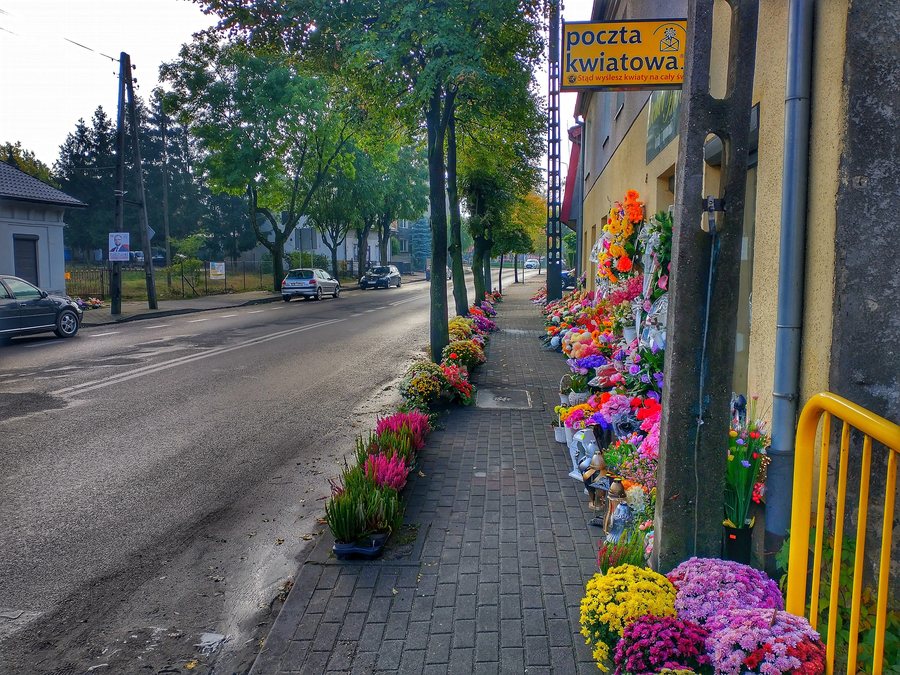 File:MOs810 WG 23 2023 Prusy Dolne (center of Kikół) (0).jpg
Photo: MOs810 via Wikimedia Commons, CC BY 4.0
File:MOs810 WG 23 2023 Prusy Dolne (center of Kikół) (0).jpg
Photo: MOs810 via Wikimedia Commons, CC BY 4.0
Key facts about Kikół
- The palace and park complex covers 13.5 hectares.
- The Neoclassical palace dates from around 1790 and has a deeply recessed portico with six columns.
- The church is a Neo-Gothic brick building; its features include a barrel-vaulted wooden ceiling in the nave and a Rococo baptismal font from the mid-18th century.
What characterizes the palace and park complex?
Covering 13.5 hectares, the complex is a prominent feature of the town. For an architectural point of reference, look to the palace: it is classified as Neoclassical and dates from around 1790.
Its deeply recessed portico, with a row of six columns, is especially striking. This part of the building creates a distinct architectural accent. Illusionistic paintings featuring architectural motifs from the turn of the 18th and 19th centuries have been preserved in the Knights’ Hall. The palace thus brings together its exterior form and its surviving interior design, each offering a different way to explore its architectural history.
What architectural details define the church?
The church in Kikół is built of brick in the Neo-Gothic style. A brick wall surrounds the building and has two Neo-Gothic gates: a main gate and a cemetery gate. These exterior features give the building a distinct architectural profile. In the nave, the barrel-vaulted wooden ceiling provides a different design element from the brick façade.
The furnishings also include details from different periods with different associations. The Rococo baptismal font dates from the mid-18th century. The main altar is Neo-Gothic. The right side altar contains a statue of Our Lady of Sorrows from Konotopie; the left one has a Crucifixion painting signed by J. Paszkiewicz. An epitaph at the main entrance commemorates Ignacy Antoni Zboiński and dates from 1796. The individual features can thus be distinguished by their design, location in the church and period.
How can the historic details be put into context?
The palace and church offer different points of comparison: the palace dates from around 1790, while the church is Neo-Gothic in style. The church complex also brings together the baptismal font from the mid-18th century, the 1796 epitaph and Neo-Gothic architecture. The paintings in the Knights’ Hall date from around the turn of the 19th century. These dates and stylistic features provide a concrete framework without reducing the buildings to a single period.
Another historical point of reference is the cemetery next to the church. It contains several architecturally notable tombs from the late 19th and early 20th centuries. They add more recent examples of tomb design to the historical perspective. Taken together, the details vary distinctly by location and function: palace architecture, church furnishings, memorials at the entrance and tombs in the neighboring cemetery are each separate aspects of Kikół’s architectural history.
Discover more destinations: Będzeń, Skępe, Głęboczek, Wielgie, Glewo, Polichnowo, Popowo, Lipno.
FAQ
How large is the palace and park complex in Kikół?
The complex covers 13.5 hectares.
What features distinguish the palace from the church?
The palace is Neoclassical and has a deeply recessed portico with six columns. The church is a Neo-Gothic brick building with a barrel-vaulted wooden ceiling in the nave.
What historic tombs are there beside the church?
The cemetery beside the church contains several architecturally notable tombs from the late 19th and early 20th centuries.
For the broader travel overview: Lipno.

_(0).jpg)