
Discover Lipno: Culture and City History
Accommodation in Lipno
Lipno combines a historic cityscape with architecture, cinema, and museum themes. If you are interested in cultural history, its churches, preserved street plan, and memories of Pola Negri give you concrete points of reference when planning your trip.
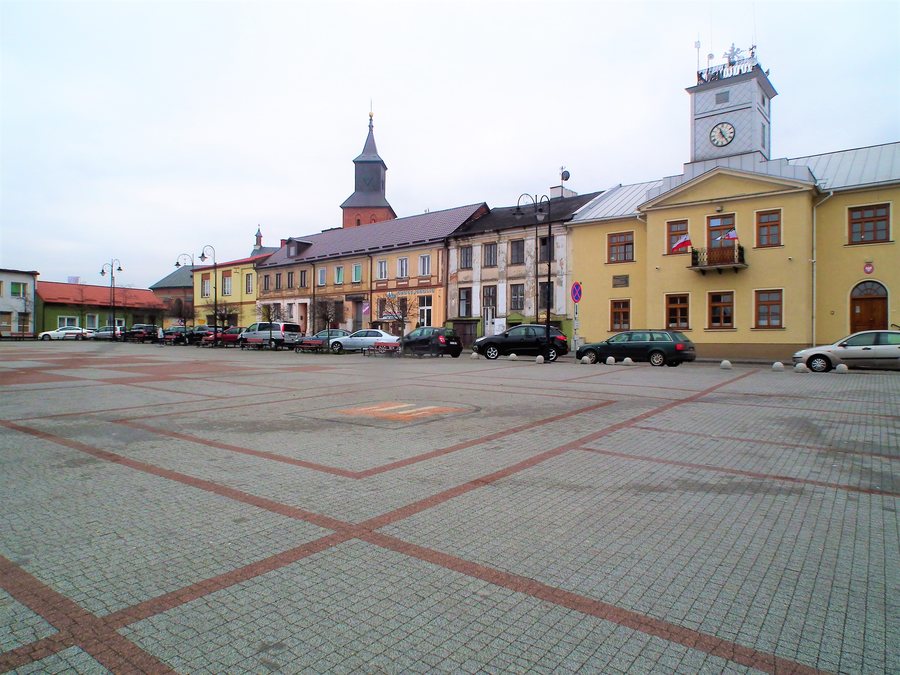
Lipno at a glance
- Lipno’s oldest architectural monument is a Gothic church, completed in 1388.
- The town hall stands on the central square, now Plac Dekerta, and was built in the late Classical style in 1836.
- The city center preserves a street plan dating from the 14th century and the 18th and 19th centuries.
- The Mień River flows through Lipno along its middle course.
- Actress Pola Negri was born in Lipno on January 3, 1897.
- Most of the museum exhibits are housed in the Izba Muzealna, in the Miejskie Centrum Kulturalne building.
Which buildings shape Lipno’s history?
The city’s street plan spans the 14th century through the 18th and 19th centuries. These different historical periods coexist, but they do not suggest a single, uniform architectural style for the city center. One distinctive building is the town hall: built in 1836 in the late Classical style, it stands on the central square, now called Plac Dekerta.
The religious buildings also differ in design and date. The oldest architectural monument in the city is a Gothic church from the second half of the 14th century; its construction was completed in 1388. By contrast, the Church of the Assumption of Mary has a Mannerist main altar with a painting by Wojciech Gerson. The Evangelical-Augsburg church is a brick Neo-Gothic building, constructed from 1865 to 1868.
A Neo-Gothic chapel dating from 1837 stands in the cemetery. It occupies the site of the former Church of St. Barbara, which was demolished in 1819. This sequence clearly distinguishes the chapel from the older church: the chapel was built in 1837, while its predecessor church was demolished in 1819.
What connects Lipno with Pola Negri and cinema?
Pola Negri was born in Lipno on January 3, 1897, as Apolonia Chalupec, also known in Poland as Apolonia Chałupiec. The Izba Muzealna, in the Miejskie Centrum Kulturalne building, houses most of Lipno’s museum exhibits, including Poland’s largest collection of Pola Negri memorabilia. If you are particularly interested in the actress, this connection makes for a distinctive cultural focus for your trip.
The Miejskie Centrum Kulturalne also includes the “Nawojka” cinema at ul. Mickiewicza 33. Its wall features a black-and-white frieze depicting Charlie Chaplin and Pola Negri. The cinema is also associated with the “Pola i inni” film event, held annually for lovers of classic cinema and stars of the silver screen. The Miejskie Centrum Kulturalne is the main or a co-organizer of recurring events, including the “LIPA” rock festival.
What other places and experiences are there?
Miejski Park im. Gabriela Narutowicza is home to the “Dąb Wolności” and a garden pavilion dating from 1924. The park is listed in the register of immovable monuments as a 19th- and 20th-century park; the register status is as of December 31, 2012. The park thus combines its named individual features with its own historical classification.
Six pocket parks were created as part of a project on ul. Bulwarna, ul. Ekologiczna, ul. Wiśniowa, ul. Bukowa, ul. Dolna, and at the municipal pond. They include recreational areas, educational and leisure features, and plantings. The Mień River flows through Lipno along its middle course, adding a landscape dimension to the city’s attractions.
Other sports-related features include the Wiesław Witecki Stadium, opened in 1934, and the motocross track. The “Jastrząb” Sports Club holds international motorcycle events at the track. If you would like to consider venues for events alongside architectural and cultural history, Lipno offers additional topics to include in your trip planning.
More local pages: Będzeń, Wielgie, Skępe, Kikół, Moczadła, Polichnowo, Popowo and Głęboczek.
FAQ
What is known about Lipno’s oldest church?
It is a Gothic architectural monument from the second half of the 14th century. Construction was completed in 1388.
Where are most of the museum exhibits housed?
In the Izba Muzealna, in the Miejskie Centrum Kulturalne building. It includes Poland’s largest collection of Pola Negri memorabilia.
What historical features can you find in Miejski Park?
The park is home to the “Dąb Wolności” and a garden pavilion dating from 1924. It is listed as a 19th- and 20th-century park; the register status is as of December 31, 2012.
For the broader travel overview: Lipno.

.jpg)