
Discover Auschwitz: Murals, City History and Culture
Accommodation in Auschwitz
Auschwitz (Oświęcim) offers several ways to experience the city’s culture: monumental murals, historic sites and a permanent exhibition. A free quest guides you through the Old Town and along the Soła Boulevards paths using clues and puzzles.
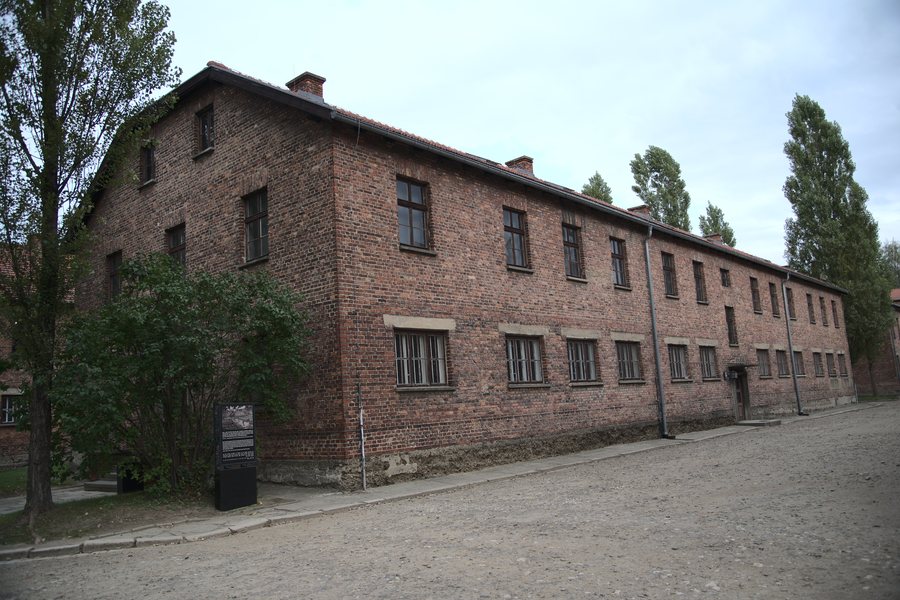
Auschwitz at a glance
A unique collection of monumental murals can be found on buildings in different parts of the city. The historic urban layout, dating from the turn of the 14th and 15th centuries, is entered in the register of monuments. On the Market Square, the remains of the 16th-century town hall and a pre-war fountain have been preserved. The quest is free and can be played at any time; the Jarmark Kasztelański also takes place every year in May.
What do the murals tell us about the city?
The monumental murals are spread across buildings in different parts of Oświęcim. Their themes make public art a particular focus for visitors interested in art in urban spaces. The messages of most of the works promote peace, oppose cultural barriers and stereotypes, and convey tolerance.
What historic sites and exhibitions are there?
Two distinct traces of the city’s history can be identified on the Market Square: the preserved remains of the 16th-century town hall and a pre-war fountain. The historic urban layout dates from the turn of the 14th and 15th centuries and is entered in the register of monuments. These details refer to different elements of the cityscape and their respective periods.
Individual cultural sites also have their own character. St. Hyacinth’s Chapel is a former Dominican chapter house dating from the first half of the 14th century. The Piast Castle on the Soła houses the Muzeum Zamek w Oświęcimiu. At the Jewish Museum on Plac Ks. Skarbka, visitors can access the Chewra Lomdei Misznajot Synagogue. There is also the permanent exhibition “W przestrzeniach historii. Dzieje miasta Oświęcimia”. If you are interested in culture and history, you can take these different sites and exhibition themes into account when choosing how to explore the city.
How can you explore the city through a game?
The free quest is a game that can be played at any time: you follow clues and solve puzzles. Its route follows the paths of the Soła Boulevards and passes through the Old Town. It offers a different way to engage with the city than visiting an exhibition or viewing individual buildings.
Another date to consider when planning your trip is the Jarmark Kasztelański, which takes place every year in May. The programme includes historical demonstrations, hands-on activities and workshops for children. If you are interested in this festival or are travelling with children, you can take the annual May event into account when planning.
To compare other destinations in the same directory, you can also find Chrzanów, Zagórze, Lgota, Młoszowa, Libiąż, Żarki and Trzebinia.
FAQ
What is the quest in Auschwitz?
It is a free game that can be played at any time, where you follow clues and solve puzzles. The route follows the paths of the Soła Boulevards and passes through the Old Town.
Which historic sites and exhibitions are mentioned?
They include St. Hyacinth’s Chapel, the Piast Castle with the Muzeum Zamek w Oświęcimiu, the Jewish Museum with access to the Chewra Lomdei Misznajot Synagogue, and the permanent exhibition on the city’s history.
When does the Jarmark Kasztelański take place?
The Jarmark Kasztelański takes place every year in May. It includes historical demonstrations, hands-on activities and workshops for children.
More about the destination
Useful information for planning your trip:
Go to the main travel overview: Chrzanów.

