
Discover Kwiatonowice: Manor House and History
Accommodation in Kwiatonowice
Kwiatonowice combines a restored manor house in the centre of the village with a history dating back to the 14th century. For directions: a road branching off the Łużna–Zagórzany road leads to Kwiatonowice. The village’s history and other cultural and natural themes in the wider Gorlice destination can help you choose the focus for your trip.
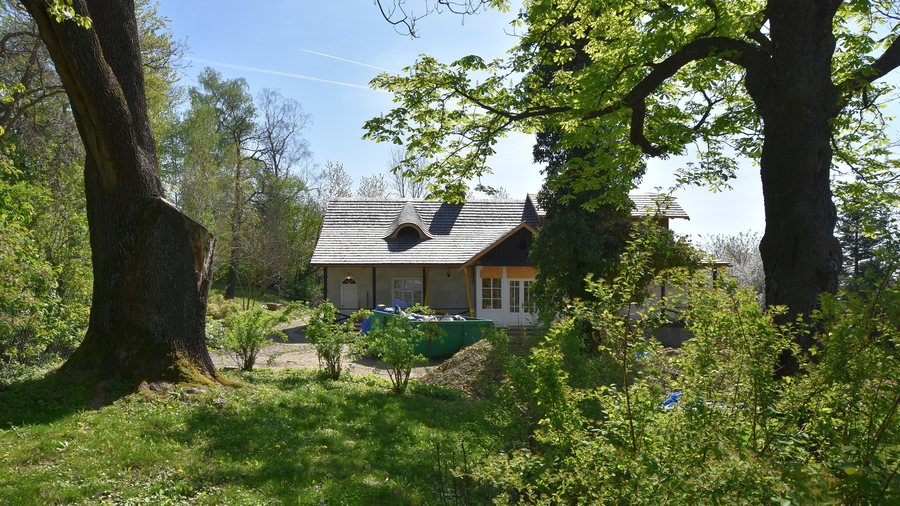
Kwiatonowice at a glance
- The village centre is home to a private, single-storey manor house dating from the early 19th century, which has been restored.
- The manor house has a garden with the largest collection of trees designated as natural monuments in the municipality.
- In 1367, Kwiatonowice was granted German law, but it was not newly founded on previously undeveloped land at that time.
- A road to Kwiatonowice branches off the Łużna–Zagórzany road.
What makes the manor house a distinctive local landmark?
The manor house brings together several specific aspects of the village’s history in one central location: it dates from the early 19th century, is single-storey and has been restored. The surrounding manor garden complements the building with a remarkable collection of trees. It is home to the largest collection of trees designated as natural monuments in the municipality. For trip planning, the manor house offers a clear point of interest if you are interested in historic buildings and mature gardens.
The manor house’s private ownership is also part of its description. It is one aspect of its context, alongside its construction date, restoration and garden. This lets you discover Kwiatonowice through specific local features without separating the manor house from its historical context.
Which historical figures are associated with Kwiatonowice?
The village’s history encompasses more than a single building. It was granted German law in 1367; it was explicitly not newly founded on previously undeveloped land at that time. This is an important distinction when putting the village’s development into context: the year marks a legal change, not the beginning of settlement on previously undeveloped land.
Adolf Tetmajer is also associated with the manor house. He took part in the November Uprising and was born at the manor house in Kwiatonowice. His sons were the painter Włodzimierz Tetmajer and the poet Kazimierz Przerwa-Tetmajer. This family history connects the village with Polish art and literature and adds a biographical perspective to its architecture.
What other cultural and natural attractions are there in the Gorlice destination?
In the wider Gorlice destination, the Skansen Wsi Pogórzańskiej open-air museum is located in Szymbark. It displays buildings from a historic foothills village, including cottages, a smithy, windmills, an oil mill, barns and a stable. The museum also offers exhibitions, museum education sessions and workshops, educational programmes and outdoor events. This makes it a good choice if you are interested in everyday architecture and learning in a museum setting.
Also in Szymbark is the Kasztell. It dates back to the first half of the 16th century and acquired its present Renaissance form in the late 16th and early 17th centuries. Its history stretches further back than that of the manor house in Kwiatonowice; the two buildings represent different historical periods. The Jelenia Góra nature reserve is also in Szymbark.
For a nature-focused perspective, there is also the “Szlakiem Architektury Drewnianej” tourist trail. It leads from the church in Wólka to Beskidzkie Morskie Oko and focuses on nature education. You can take these themes into account when choosing places to visit in the wider Gorlice destination, without confusing them with the local features of Kwiatonowice.
How should you plan your accommodation search?
First, consider whether the manor house and history of Kwiatonowice are the main focus of your trip, or whether you would also like to include the cultural and natural attractions in the wider Gorlice destination. Kwiatonowice can be reached by a road that branches off the Łużna–Zagórzany road.
Discover more destinations: Korczyna, Uście Gorlickie, Hańczowa, Bobowa, Strzeszyn, Gładyszów, Kunkowa and Czarne.
FAQ
What distinguishes the manor house in Kwiatonowice?
It stands in the village centre, is privately owned and single-storey, dates from the early 19th century and has been restored. The manor house has a garden with the largest collection of trees designated as natural monuments in the municipality.
What historical connections does Kwiatonowice have?
The village was granted German law in 1367, without being newly founded on previously undeveloped land at that time. Adolf Tetmajer, a participant in the November Uprising, was born at the manor house; he was the father of the painter Włodzimierz Tetmajer and the poet Kazimierz Przerwa-Tetmajer.
What cultural attractions are there in the wider Gorlice destination?
In Szymbark, the open-air museum offers exhibitions, education sessions, workshops, educational programmes and outdoor events. The Kasztell, Jelenia Góra nature reserve and the “Szlakiem Architektury Drewnianej” trail are also located there.
See the wider destination overview: Gorlice.

.jpg)