
Ponice: Hiking, Landscape and Local History
Accommodation in Ponice
Ponice brings together named hiking destinations, meadows, forest trails and traces of local history. The Gorce Mountains surround the village; green and red hiking trails lead from Ponice to various mountain destinations.
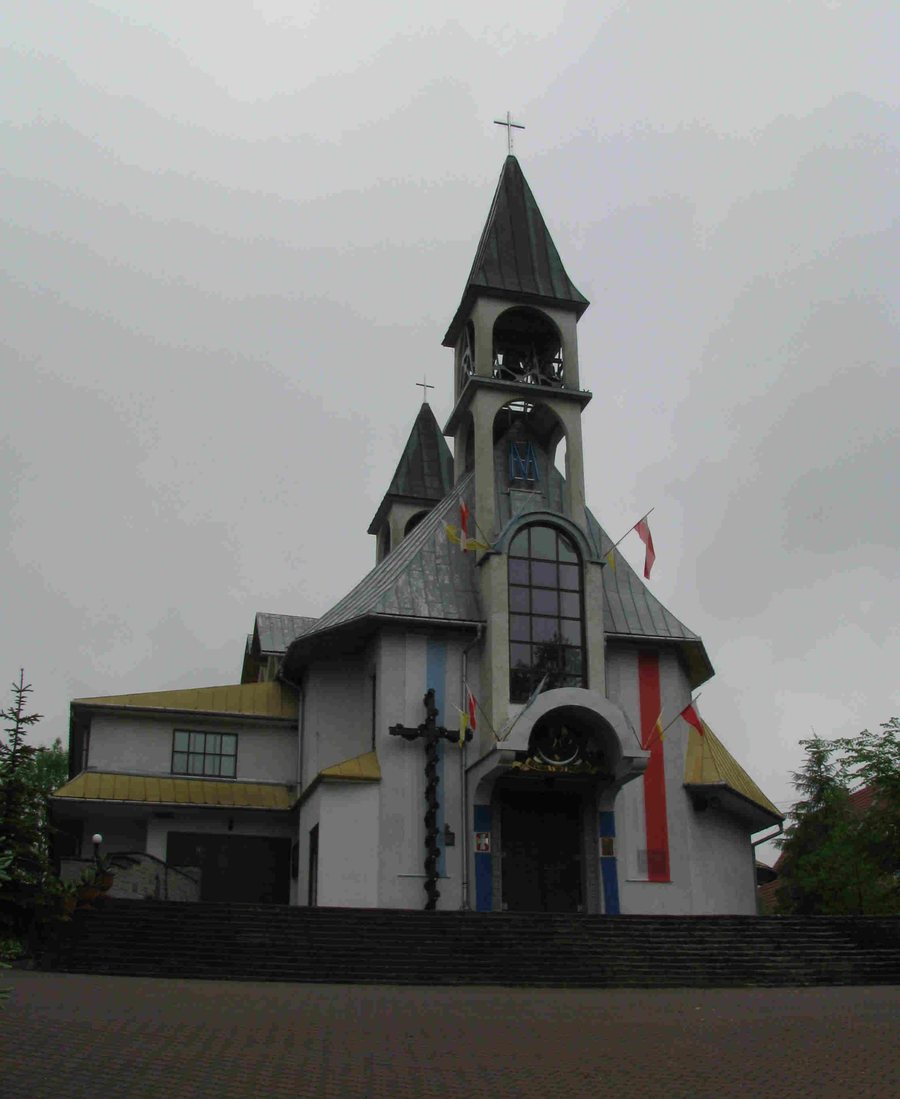
Ponice at a glance
The Gorce Mountains surround Ponice and are considered the village’s main tourist attraction. The green hiking trail leads from Ponice to Maciejowa, which lies 815 metres above sea level. There is a mountain hut on Maciejowa. The red hiking trail leads to Stare Wierchy and continues to Turbacz, which lies 1,310 metres above sea level. Bacówka “Na Maciejowej”, Ponice, Rdzawka and Piątkowa are also listed in connection with the green hiking trail.
Which hiking destinations can you compare?
The two trails described differ in their named destinations: the green trail leads to Maciejowa, while the red trail leads to Stare Wierchy and continues to Turbacz. The elevations also help you compare the mountain destinations: Maciejowa lies at 815 metres and Turbacz at 1,310 metres above sea level. When choosing a specific destination for your trip, you can use these place names and elevations as a guide.
The mountain hut on Maciejowa is another feature of this hiking destination. The red route, in turn, is distinguished by its sequence of Stare Wierchy and Turbacz.
What shapes the landscape and walks?
The meadows and forest trails in Ponice invite you to enjoy long walks and take in the views. Alongside the named mountain destinations, walks through the local landscape are also a focus. So when considering Ponice for its natural attractions, you can take both the hiking destinations and the meadows and forest trails into account.
Kotelnica is associated with stone cellars and the landscape along the upper reaches of the Poniczanka. Here, a distinctive feature of the built environment and a specific location along the river come together. This sets Kotelnica apart from the hiking trails to Maciejowa and Turbacz and adds local architectural history to the landscape perspective.
What traces of local history can you find?
Ponice has numerous wayside shrines, which are regarded as witnesses to the village’s history. A few historic examples of folk wooden architecture are also known. Both offer insights into the village’s cultural heritage without taking the focus away from its hiking landscape.
An old chapel in Sołtysówka was associated with local religious devotion. The image of Our Lady of Częstochowa played an important role: local people venerated it in particular and believed its effects to be miraculous. This story complements the many wayside shrines with a specific example of local piety. Together with the few historic examples of wooden architecture, it offers culturally minded travellers another way to explore the village’s history.
Discover more destinations: Nowy Targ, Czorsztyn, Ratułów, Obidowa, Szlembark, Szczawnica, Rogoźnik and Niedzica.
FAQ
Which hiking trail leads to Maciejowa?
The green hiking trail leads from Ponice to Maciejowa. There is a mountain hut there; Maciejowa lies 815 metres above sea level.
Which destinations does the red hiking trail connect?
From Ponice, the red hiking trail leads to Stare Wierchy and continues to Turbacz, which lies 1,310 metres above sea level.
What themes shape the village’s history?
Traces of local history include numerous wayside shrines, a few historic examples of folk wooden architecture, and the religious devotion associated with the old chapel in Sołtysówka.
For the broader travel overview: Nowotarski.

