
Podegrodzie
Accommodation in Podegrodzie
A travel decision about Podegrodzie can be guided by ecclesiastical architectural history and regional culture. Four specific points of interest offer different ways to explore the area: the Parish Church of St. James the Greater, St. Anne’s Chapel, the “Podegrodzie” Regional Song and Dance Ensemble, and the wooden Lachowska Zagroda “Kubalówka.” Consider whether these themes match your interests when choosing Podegrodzie as a base for your trip and accommodation.
Quick facts about Podegrodzie
- The Parish Church of St. James the Greater was built between 1830 and 1835.
- The “Podegrodzie” ensemble has existed since 1937.
- The wooden Lachowska Zagroda “Kubalówka” dates from the 19th century.
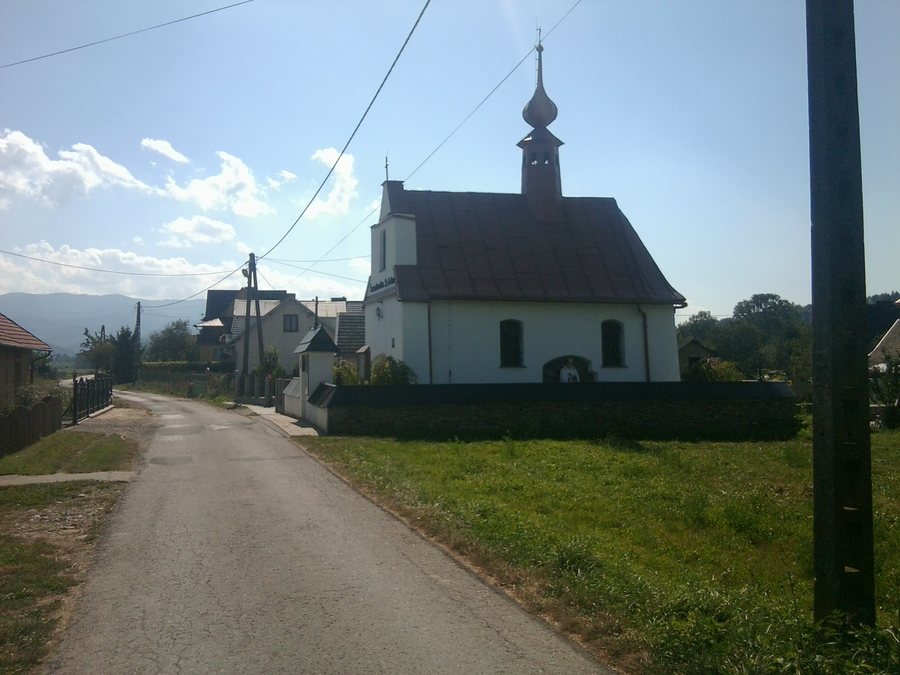
- St. Anne’s Chapel was built either in 1631 or 1695; it was renovated in 1936 and 2008.
What architectural history shaped the churches?
The Parish Church of St. James the Greater was built between 1830 and 1835 on the site of an older church. This predecessor burned down in 1822, along with the rectory. Thus, two distinct points in the building’s history are established: 1822 is the year the older church and rectory burned down, while the present church was built between 1830 and 1835. If you are interested in the development of religious buildings, this sequence offers a specific historical point of reference in Podegrodzie.
St. Anne’s Chapel has its own, different chronology. St. Anne’s Chapel was built either in 1631 or 1695; it was renovated in 1936 and 2008. The two possible dates should be understood as alternative accounts, not as two separate building phases. The renovations took place much later and are independent of those dates. Taken together, the parish church and chapel represent different architectural histories that you can consider when choosing a destination for a culture-focused trip.
What cultural points of interest are there besides the churches?
The wooden Lachowska Zagroda “Kubalówka,” dating from the 19th century, consists of a dwelling house, a granary, and a smithy. These three types of building give the complex a different form from the religious buildings: rather than a single church or chapel, the Zagroda comprises several structures with distinct names. To understand it, it is enough to keep this specific composition in mind; together, the named buildings make up the complex described here.
Another point of interest is the “Podegrodzie” Regional Song and Dance Ensemble, which has existed since 1937. Its name alone identifies song and dance as its fields. It therefore complements the architectural themes in your choice of destination with a cultural focus that is not tied to a single building. The statement that the ensemble has existed since 1937 places it in time; by itself, it does not say anything about current performances or dates.
Who might consider Podegrodzie as a place to stay?
FAQ
When was the Parish Church of St. James the Greater built?
It was built between 1830 and 1835 on the site of an older church.
How long has the “Podegrodzie” ensemble existed?
The “Podegrodzie” Regional Song and Dance Ensemble has existed since 1937.
Which buildings are part of the Lachowska Zagroda “Kubalówka”?
The wooden Zagroda, dating from the 19th century, consists of a dwelling house, a granary, and a smithy.
Which construction and renovation years are given for St. Anne’s Chapel?
The construction date is given as either 1631 or 1695. The chapel was renovated in 1936 and 2008.
For the broader travel overview: Nowy Sącz.

