
Discover Opoczno: City History and Culture
Accommodation in Opoczno
Opoczno lies on the Drzewiczka River in the Opoczyńskie Hills. The Regional Museum, historic buildings and the cultural traditions of the wider area offer different starting points for planning your trip. If you’re looking for a hotel, you can first consider whether you’d like your stay to focus on the museum and architectural history, regional folklore or events.
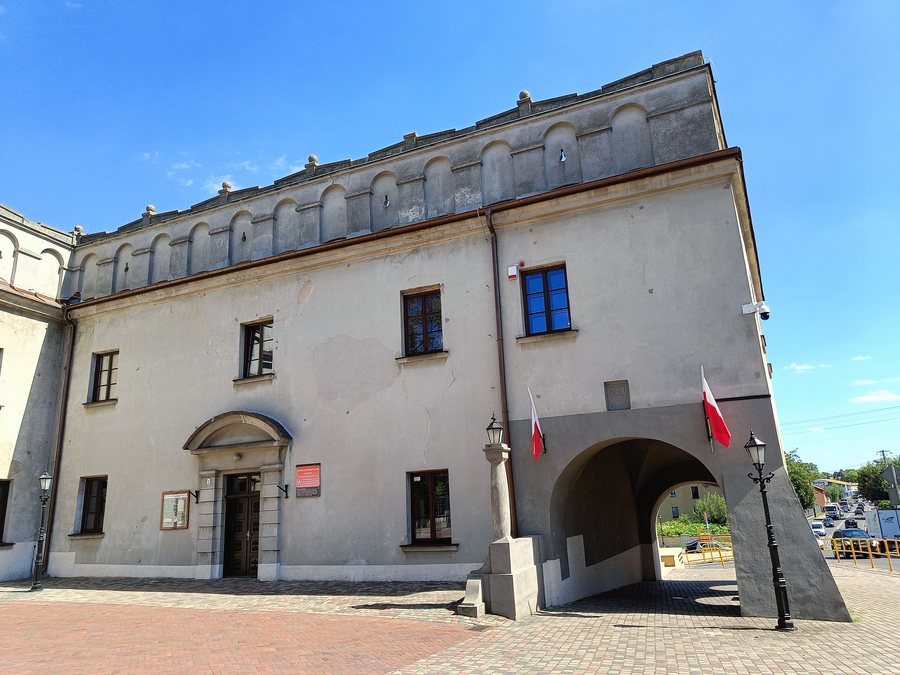
Opoczno at a glance
- Opoczno lies on the Drzewiczka River in the Opoczyńskie Hills.
- The Regional Museum is housed in a medieval castle built by King Casimir the Great.
- The city’s history is also connected with tile production: over about 150 years, Opoczno developed into a centre and major location for this craft.
What can you discover at the Regional Museum?
The Regional Museum collects, preserves, conserves and presents cultural artefacts relating to the history, numismatics, archaeology, art and ethnography of the Opoczno region. Numismatics is the study of coins; beyond that, the museum’s subject matter ranges from archaeological finds to art and everyday culture. This gives visitors several ways to explore the region’s history, rather than focusing on a single topic.
The museum offers permanent, temporary and travelling exhibitions, as well as guided tours of exhibitions. Which exhibition or tour is relevant to your visit therefore also depends on the programme at the time. If you’re planning around a specific date or tour, check the latest information in advance.
Which buildings tell the story of the town?
The medieval castle built by King Casimir the Great, which houses the Regional Museum, combines a museum visit with a historic building. Gothic elements can be seen at St Bartholomew’s Church. Another historic site is the former synagogue, dating from the 18th century; its former status is an explicit part of its history.
The wooden Church of St Mary Magdalene also dates from the 18th century. Together, these buildings illustrate different aspects of Opoczno’s religious and architectural history. These descriptions outline their historical features, but do not indicate that each building is open to visitors. If you’d like to visit a particular building, check whether visits are possible before making plans.
How do tile-making and regional folklore come together?
The history of tile production is an important part of Opoczno’s material culture. Over about 150 years, the town developed into a centre and major location for this craft. In the wider region, opoczyńskie folklore represents intangible cultural heritage: it includes musical traditions, dances and customs passed down through generations, as well as traditional dress and handicrafts.
Opoczno ceramic tiles and opoczyńskie folklore are considered the region’s two most important elements of material and intangible cultural heritage, respectively. Together, they are referred to as “Opoczyńskie Dziedzictwo” (“Opoczno Heritage”). The comparison highlights two distinct sides of cultural heritage: a craft with tangible products and living traditions passed down through music, dance and customs.
What events and cultural activities are there?
A 2024 travel guide describes the Opoczno Run as an annual 10-kilometre race through the streets of Opoczno, held in memory of a local sportswoman. Dates and arrangements may vary. If you’d like to include the race in your travel plans, check the latest information.
The 2024 travel guide also mentions the regional Christmas and shepherds’ carols festival, “Opoczyńskie Kolędowanie”. It features performances, particularly of traditional songs, by local folk singers. The Opoczyński Easter Table Competition presents “Bab Wielkanocnych”. The descriptions do not specify fixed dates, so check the information for a particular visit.
The Municipal Cultural Centre runs a cinema, with screenings on Saturdays and Sundays. If a cinema visit is important to you, check the current schedule in advance, as screening times may change.
How can you prioritise your travel interests?
For a culture-focused stay, the museum collections, exhibitions and various buildings offer different points of interest. Those with a stronger interest in crafts can compare the history of tile production with the region’s cultural heritage; those fascinated by folklore can discover a tradition of music, dance and customs.
Discover more destinations: Celestynów, Opoczno, Drzewica, Małoszyce, Pabianicki, Lodz, Sieradz and Tomaszowski.
FAQ
What topics are covered by the Regional Museum’s collection?
It includes cultural artefacts relating to the history, numismatics, archaeology, art and ethnography of the Opoczno region.
Which historic buildings are mentioned in Opoczno?
They include the medieval castle housing the Regional Museum, St Bartholomew’s Church with its Gothic elements, the former synagogue dating from the 18th century, and the wooden Church of St Mary Magdalene from the same century.
Which events are described for Opoczno?
A 2024 travel guide mentions the Opoczno Run and the “Opoczyńskie Kolędowanie” festival. It also lists the Opoczyński Easter Table Competition, where “Bab Wielkanocnych” are presented.
For the broader travel overview: Lodz.

