
Spała
Accommodation in Spała
Spała brings together a historic park, buildings and memorial sites that highlight different chapters in the town’s history. The Pilica is also part of the picture: a landing stage near the bridge serves as a base for companies offering river trips. You can explore Spała according to your interests in culture, landscape or the river.
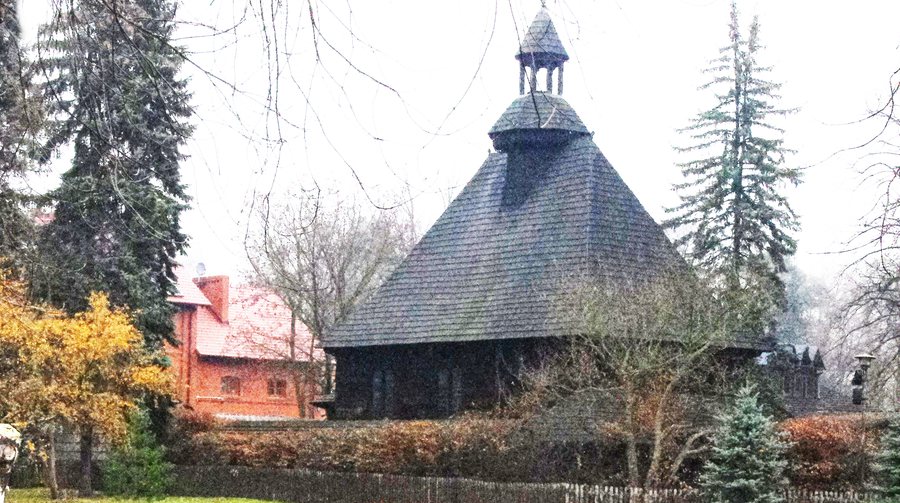 File:Kościół Najświętszej Maryi Panny Królowej Korony Polski w Spale (3) panorama.jpg
Photo: Mateusz Opasiński via Source, CC BY-SA 3.0
File:Kościół Najświętszej Maryi Panny Królowej Korony Polski w Spale (3) panorama.jpg
Photo: Mateusz Opasiński via Source, CC BY-SA 3.0
Spała at a glance
Spała is located in Spalski Landscape Park. The town has a 12-hectare park with surviving fragments of a layout designed in the English style around the turn of the 20th century. Spała Bridge crosses the Pilica and is listed in the register of monuments. Other notable sites include a brick water tower, a church and a life-size bison statue.
Which historic sites define Spała?
The 36-metre-high brick water tower is a surviving feature of Tsar Alexander III’s hunting residence. Spała Bridge over the Pilica is listed in the register of monuments. Both structures can be viewed as distinct testimonies to the town’s history, without implying that they form a joint sightseeing route.
The Dom Pamięci Walki i Męczeństwa Leśników i Drzewiarzy Polskich (Museum of Remembrance of the Struggle and Martyrdom of Polish Foresters and Woodworkers) is dedicated to commemorating Polish foresters and woodworkers. Its three rooms contain photographs, banners, urns and other mementos. Visitors interested in historical remembrance will find a different perspective here from that offered by the town’s architectural landmarks: the focus is on objects and images in a clearly defined indoor space.
Which buildings tell the story of architecture and hunting history?
The Church of Our Lady Queen of the Polish Crown was consecrated in August 1923 and is considered a monument of sacred architecture. Its religious and architectural-historical significance sets it apart from the buildings associated with the hunting residence. The life-size bison statue, meanwhile, was cast in iron by the Ogariow Factory in Saint Petersburg on the orders of Tsar Alexander II.
Another stone monument is the Grotto of Saint Hubertus near the centre of Spała. It is associated with the hunting grounds of Tsar Alexander III. Together with the water tower, it points to this historical connection; the bison statue adds a distinct object with its own history. For your choice of places to visit, this means that Spała’s cultural sites have different focuses, from sacred architecture and mementos to hunting history.
How should the park and the Pilica be viewed?
The 12-hectare park offers a tangible point of interest for visitors interested in historic park design. Fragments of the layout, designed in the English style around the turn of the 20th century, have survived. Spała’s location in Spalski Landscape Park adds a wider landscape context to this individual park. The two facts therefore describe different aspects of the town: a surviving park design and its location within the landscape park.
The Pilica is also part of the local landscape. The new landing stage near the bridge serves as a base for companies that organise river trips on the Pilica. If you are interested in water-based activities, you can take this into account alongside the historic and landscape features when planning your trip.
What accommodation information is relevant to solo travellers?
The Olympic Preparation Centre in Spała has traditionally also accommodated individual guests. This is a specific option for solo travellers looking for accommodation in Spała. The town is also defined by its historic buildings, park and connection to the Pilica; which of these themes matters most for your trip depends on your personal interests.
Which other destinations can you compare?
For comparison with other destinations, you can also include Smardzewice, Józefów Stary, Ujazd, Kanice, Inowłódz, Tomaszów Mazowiecki and Czerniewice in your search.
FAQ
What can be found in the Dom Pamięci Walki i Męczeństwa Leśników i Drzewiarzy Polskich?
Its three rooms contain photographs, banners, urns and other mementos.
What historic park design has been preserved in Spała?
Fragments of a layout designed in the English style around the turn of the 20th century have been preserved in the 12-hectare park.
Which accommodation has traditionally also hosted individual guests?
The Olympic Preparation Centre in Spała has traditionally also accommodated individual guests.
For the overview of the wider region: Tomaszowski.

_panorama.jpg)