
Neumarkt In Schlesien: Nature, Culture and History
Accommodation in Neumarkt In Schlesien
In Średzki County – Neumarkt In Schlesien – historic townscapes meet protected river landscapes and routes through several towns.
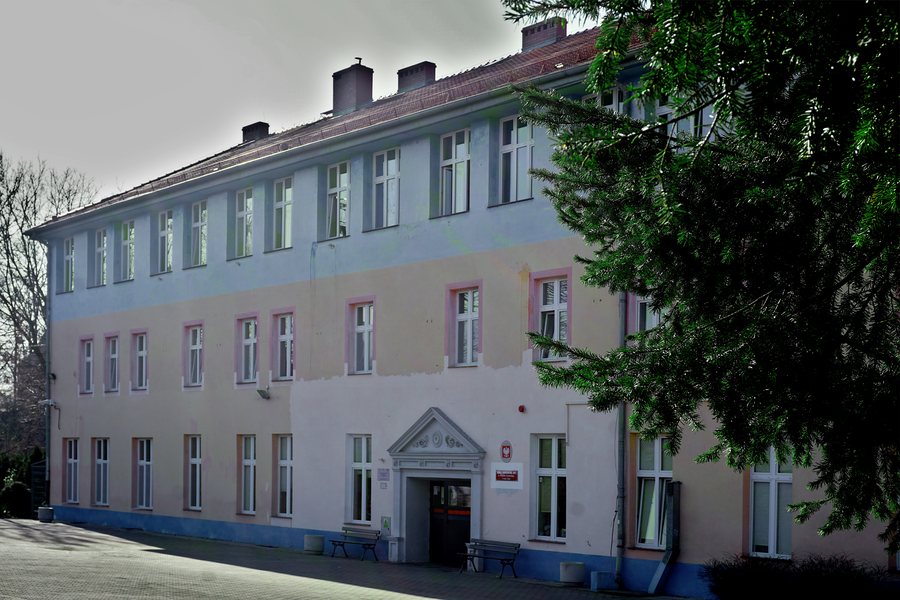
Neumarkt In Schlesien at a glance
- Środa Śląska has an original, well-preserved town plan; its town hall dates from the 15th century.
- The “Zabór” nature reserve covers 34.7 hectares in the municipality of Miękinia in Średzki County.
- In winter, birds gather to overwinter on the Oder near Malczyce, especially mallards, as well as tufted ducks and goosanders.
- The green PTTK hiking trail runs for 17.3 kilometres through Kwietno, Rusko and Malczyce.
Which cultural sites define the region?
In Środa Śląska, the town hall and town plan complement each other as historic landmarks. The Środa Śląska Treasure includes medieval gold jewellery and a royal crown. Each of its twelve elements bears an eagle; the crown dates from the second half of the 13th century. The collection also includes a brooch with a central cameo of an eagle, decorated temple rings, and 2,924 silver and 39 gold coins. The treasure is not currently on display.
Architecture from another period can be seen in Malczyce: the Orthodox Church of the Annunciation of the Most Holy Mother of God is a former Protestant church in the Neo-Gothic style. It was built in 1902–1903 to a design by Hans Poelzig. A Strzegom granite memorial stone commemorates the flood of the century: it was unveiled in 2002 on the fifth anniversary, and six marble plaques mark the highest water levels recorded on the Oder between 1854 and 1997.
Other architectural and cultural highlights include the Gothic Church of St Ursula in Udanin, frescoes by Franz Heigel in the Church of the Nativity of the Blessed Virgin Mary in Lusina, and castle ruins in Pielaszkowice. In Wojnowice, a Gothic-Renaissance water residence dating from the 15th and 16th centuries stands on oak piles and is surrounded by a moat. Each site offers a different focus, from church architecture and painting to a waterside residence.
Where can you encounter nature and protected landscapes?
“Zabór” protects a floodplain forest within a larger woodland complex in the Wrocław Ice-Marginal Valley. The section touching Malczyce belongs to the Łęgi Odrzańskie Natura 2000 sites: PLH020018 is the habitat protection area, and PLB020008 is the bird protection area. The two areas overlap completely. Alongside historic townscapes, this landscape therefore offers a distinct connection with nature, although the protected-area designations do not specify a particular route for visitors.
On the Oder near Malczyce, you can see a grey heron colony—the largest on the Oder—and frequent visits from white-tailed eagles. In winter, many more birds arrive to overwinter, especially mallards, as well as tufted ducks and goosanders. The animals you may see and their numbers vary by season and year. So if birdwatching is an important part of your trip, these winter sightings differ from the possible observations along the river during the rest of the year; sightings are not guaranteed.
Which routes suit your plans?
A 420-metre-long educational trail was created in Brodno in 2014. Its features include a wooden pavilion, a footbridge, steps, and information and educational boards about plants and animals. For longer distances, the green PTTK hiking trail runs through Kwietno, Rusko and Malczyce within the municipality of Malczyce. Check local conditions before setting out.
For cycling plans, a municipal route is also described, running from Kostomłoty to Zabłoto and then to Jakubkowice. The route and the hiking trail differ in length and course, so choose based on the specific route you plan to take rather than inferring a connection between them from the place names.
How do you choose a place to search for accommodation?
Focus your search on the purpose of your trip: Środa Śląska is a specific location for the cultural attractions mentioned, while Kostomłoty lies on the described cycling route. If you want to compare other town pages, also consider Krępice and Jarosław. You can then expand your search to Piotrowice and Lenartowice, as well as Wilkszyn and Mrozów. This lets you compare specific place names without assuming that regional attractions indicate the facilities or availability of individual accommodations.
One possible regional highlight is winegrowing: Winnice Jaworek’s vineyard covers 24 hectares, and more than 30 grape varieties are being tested there. Both figures may change. Malczyce may also be relevant when planning a train journey: the “Odrzanka” line passes through the town, among other places. The described use of the route makes it possible to return to the station and to a car parked there. Check current train services separately.
FAQ
Is the Środa Śląska Treasure currently on display?
No, the treasure is not currently on display. Check its status again before planning a museum visit.
When can you see overwintering birds on the Oder near Malczyce?
The birds mentioned gather there to overwinter in winter. Mallards are particularly common; tufted ducks and goosanders are also present. The presence and number of birds vary from year to year.
What should you bear in mind when planning a train journey through Malczyce?
The “Odrzanka” line passes through Malczyce, among other places; the described use of the train can make it possible to return to the station and to a car parked there. Check current train services before basing your plans on them.
For the main travel overview: Lower Silesia.

