
Długołęka
Accommodation in Długołęka
Długołęka combines a long church history with a short hiking route through woodland and past small bodies of water. This gives you both cultural and scenic points of interest to consider when planning your trip.
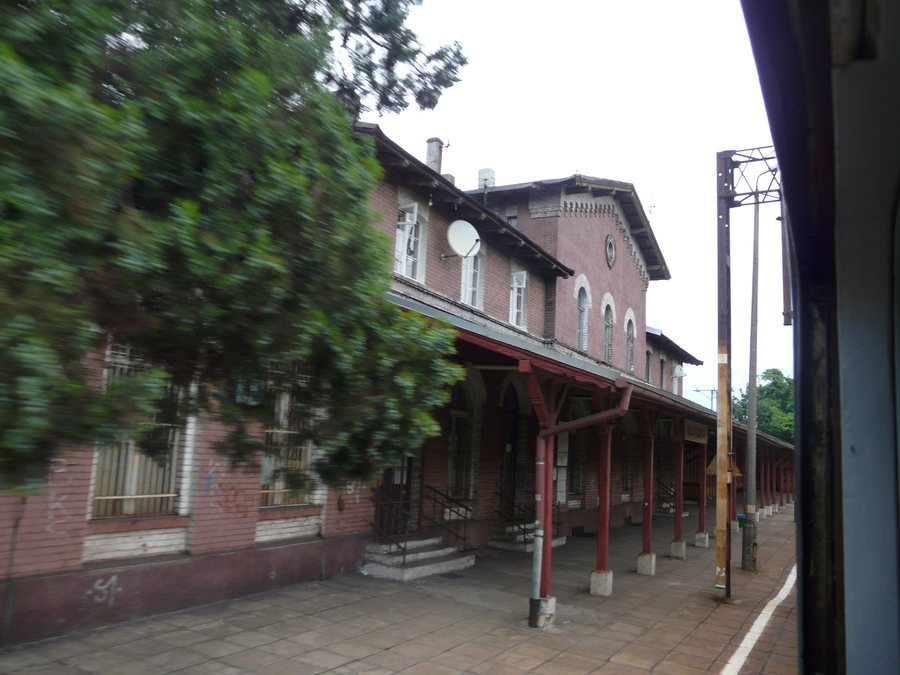 File:Długołęka - dworzec kolejowy.jpg
Photo: Dariusz Sieczkowski via Wikimedia Commons, CC BY-SA 4.0
File:Długołęka - dworzec kolejowy.jpg
Photo: Dariusz Sieczkowski via Wikimedia Commons, CC BY-SA 4.0
Key facts about Długołęka
The parish and the original church were first mentioned in 1376. A Chapel of the Holy Body was built next to the church in 1460. A Baroque painting and a relief depict the Finding of the Host.
The Długołęka–Szczodre–Długołęka route starts at Długołęka railway station, follows a yellow-marked trail through greenery, is 3.5 kilometres long and takes less than an hour. The historic railway surroundings also include the station building, dating from the construction of the railway line that opened in 1868.
What church history and art shape the village?
The year 1376 marks the first mentions of the parish and the original church. It is therefore an early written reference point for the history of the parish community, not automatically a founding date. The Chapel of the Holy Body is also important for placing events in time: it was built next to the church in 1460 to commemorate an event that was significant to the villagers.
A Baroque painting depicts the subject; a relief showing the same scene is on the pulpit basket. If you are interested in religious art, you can distinguish the painting and the relief as two artistic forms of the same subject. Together with the historical information, they form a cultural focal point that goes beyond a single year.
What does the hiking route to Szczodre offer?
The Długołęka–Szczodre–Długołęka hiking route starts at Długołęka railway station and follows a yellow-marked trail through greenery. It is 3.5 kilometres long and takes less than an hour. These details give you a concrete point of reference if you want to include the route in your day’s plans.
Along the way, the trail passes through woodland and by streams and small lakes. Hikers may spot birds, amphibians and small mammals. The route thus pairs a clearly stated distance and duration with a variety of landscape features. If you are looking for nature experiences, the woodland, water and possible wildlife sightings offer a different focus from the village’s church history.
What story does the railway station tell?
Długołęka railway station is on a railway line opened in 1868 by Kolej Prawego Brzegu Odry. The station building dates from the construction of this line. The station and the history of railway development are therefore another subject to consider when learning about Długołęka.
A large platform canopy dates from the time when Szczodre was a popular summer holiday resort for residents of Wrocław. The station building thus points to the period when the railway line was built, while the canopy is linked to a later phase of regional summer holidays. These two time references help distinguish different periods in the station’s history.
How can you assess Długołęka as a travel destination?
When making your choice, consider which focus best suits your stay: church history and its works of art, or a short hike through woodland, past streams and small lakes. The station is both the starting point for the route described and a place with its own railway history. These topics offer concrete guidance on whether Długołęka fits your travel plans, without implying any particular accommodation features.
More local pages: Kiełczówek, Brzezia Łąka, Gajków, Samotwór, Radwanice, Biskupice Podgórne, Strzegomiany and Blizanowice.
FAQ
Where does the hiking route start?
The Długołęka–Szczodre–Długołęka route starts at Długołęka railway station.
How long is the route, and how long does it take?
It is 3.5 kilometres long and takes less than an hour.
What depictions of the Finding of the Host are in the church?
The subject appears in a Baroque painting and as a relief on the pulpit basket.
For the broader travel overview: Wroclaw.

