
Dębowa Kłoda: Local Culture and a Lakeside Landscape in the Municipality
Accommodation in Dębowa Kłoda
In Dębowa Kłoda, it is worth distinguishing between two different local points of interest: cultural sites in the village itself and Lake Bialskie in Białka, within the municipality. If you are looking for accommodation, this distinction can help you clearly identify the focus of your trip: local history or the lakeside landscape within the municipality.
Key facts about Dębowa Kłoda
- The Gminny Ośrodek Kultury is based in Dębowa Kłoda and was founded in 1988.
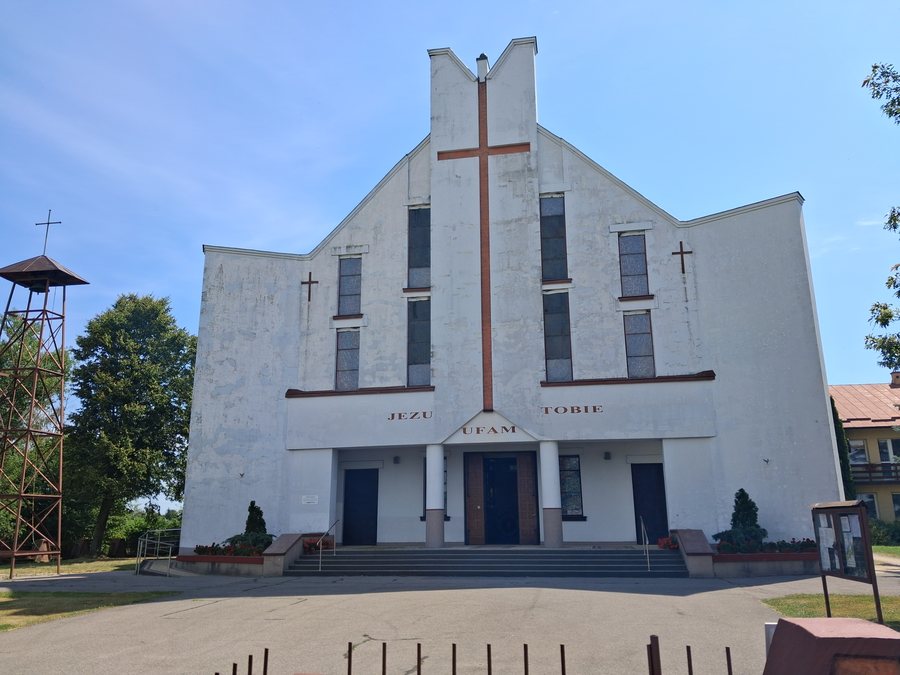
- The brick parish church of Najświętszego Serca Pana Jezusa was built between 1981 and 1983.
- Lake Bialskie is in Białka, in the municipality of Dębowa Kłoda. It is oval and covers 31.7 hectares.
- The lake is used for recreation during the summer season.
What is there in the village of Dębowa Kłoda?
One of the village’s key cultural landmarks is the Gminny Ośrodek Kultury. It is based in Dębowa Kłoda, and the institution was founded in 1988.
The parish church of Najświętszego Serca Pana Jezusa is also part of the village landscape. It is a brick church, built between 1981 and 1983. Along with the history of the cultural center, it offers a tangible starting point if you are interested in the village’s institutions and architectural history.
What is the municipality’s lakeside landscape like?
Lake Bialskie is not in the village of Dębowa Kłoda, but in the village of Białka, within the municipality. It is in the Łęczyńsko-Włodawskie Lake District and the Konotopa River basin. The oval lake covers 31.7 hectares, adding a distinct landscape feature to the area’s local history.
The beach stretches along about 60 percent of the lake’s shoreline. Sandy sections are found in the south and northeast, while on the eastern shore, the forest reaches the water’s edge. These features give you several specific points of reference for the character of the lakeshore, without conflating the lake with the village center.
Lake Bialskie is used for recreation during the summer season. If the lake matters to your travel plans, take this seasonal context into account. The information about its location and shoreline also helps you consider the lakeside landscape and local culture as distinct points of interest within the municipality.
What historical sites are there in Białka?
A monument in Białka commemorates local residents who were murdered on December 7, 1942, during the German occupation for helping Jews. This memorial is a solemn part of the village’s history and stands in clear contrast to the natural scenery by the lake.
Another historical point of interest is the former Uniate church in Horodyszcze, now the Chapel of St. Ursula Ledóchowska (kaplica pw. św. Urszuli Ledóchowskiej). It is associated with the year 1760 in Białka. Along with the monument, it offers insight into different historical themes within the municipality; both sites should be distinguished from Dębowa Kłoda itself.
How should you plan your accommodation search?
First, consider whether Dębowa Kłoda, with its cultural center and parish church, or Lake Bialskie in Białka is the more important point of reference for your trip. When searching for a hotel, check its stated location to make sure it suits your interests. The cultural sites and lakeshore features described here offer two different points of reference, even though they are not in the same place.
Discover more destinations: Parczew, Opole, Babianka and Leitnie.
FAQ
Where is Lake Bialskie?
The lake is in Białka, in the municipality of Dębowa Kłoda, in the Łęczyńsko-Włodawskie Lake District and the Konotopa River basin.
When is the lake used for recreation?
The lake is used for recreation during the summer season.
What year is associated with the chapel?
The former Uniate church in Horodyszcze, now the Chapel of St. Ursula Ledóchowska (kaplica pw. św. Urszuli Ledóchowskiej) in Białka, is associated with the year 1760.
For the broader travel overview: Parczew.

