
Grabno – Manor House History and Cycling Route
Accommodation in Grabno
Grabno offers points of interest for culture enthusiasts and cycling travelers: the construction history of a manor house probably dates back to the late 18th century, while described cycling sections connect the village with a climb on local asphalt. This makes it possible to consider the local history and route planning separately.
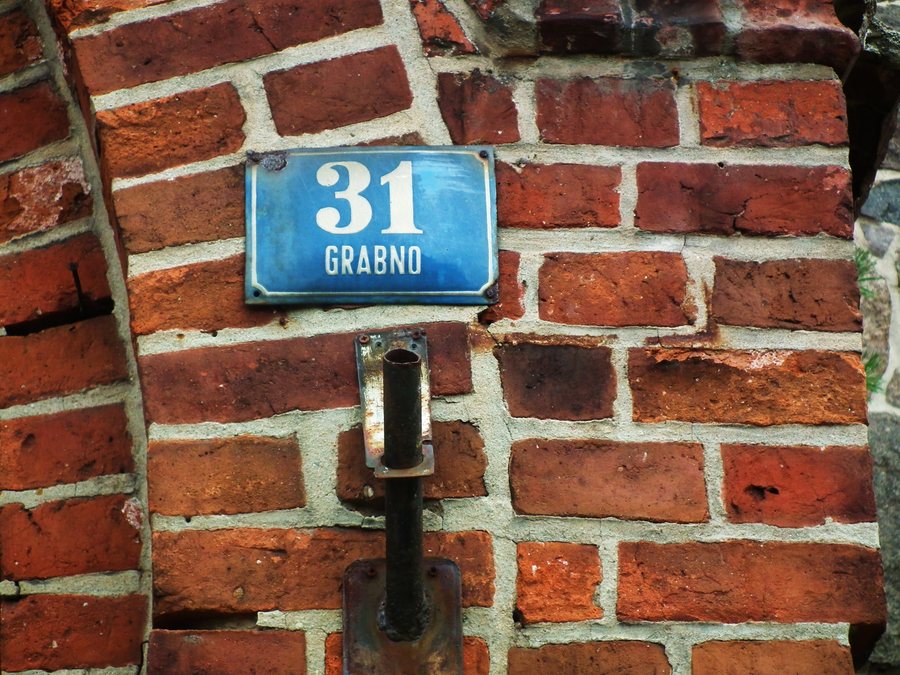
Grabno at a glance
- Grabno is home to a castle and manor farm complex.
- The manor house is an eclectic building with a rectangular floor plan, a projecting central section, a side wing, and an extension.
- The Church of St. Józefa Oblubieńca was originally Protestant and is now Roman Catholic.
- A described cycling section climbs to Grabno and ends in Lubień.
What does the manor house reveal about its construction history?
The manor house in Grabno is described as an eclectic building. “Eclectic” refers to architecture that combines elements from different styles. The features mentioned include a rectangular floor plan, a projecting central section, a side wing, and an extension. A projecting central section is part of a façade that extends beyond the rest of the wall.
The building was constructed in several phases. In the 19th century, a side wing and a projecting section on the side façade were added to the rectangular main building. Its construction history can therefore be read as a development over several stages rather than the result of a single period of construction. The manor house probably dates back to the late 18th century, when the von Winning family owned the village. This dating is explicitly qualified as probable.
Its more recent history also includes changes: the manor house has been privately owned since 2002; renovation and adaptation work was carried out for use as a guesthouse and hotel.
What is the history of the church in Grabno?
The Church of St. Józefa Oblubieńca can be understood through its change in denomination: it was originally Protestant and is now Roman Catholic. Alongside the manor house’s architectural development, this offers another historical perspective on Grabno. Those interested in local history can consider the two subjects as different ways of exploring the village: one concerns changes to a building, the other the church’s changing denomination.
What is described for cyclists heading to Grabno?
A described section of the cycling route climbs to Grabno on local asphalt and ends in Lubień. A described approach to Grabno also includes a short stretch on a busy road, followed by a climb on local asphalt. The hilly terrain of the described climb is characterized as offering scenic views.
This information helps answer different questions: the endpoint of Lubień locates the described cycling section, while the road stretch and subsequent climb provide details about the approach. Do not confuse this information with an estimate of time or difficulty. If you are planning your ride based on it, check the current route and conditions before setting off.
Discover more destinations: Osno Lubuskie, Słubice, Rzepin.
FAQ
What is known about when the manor house was built?
The manor house probably dates back to the late 18th century, when the von Winning family owned the village.
Which changes date from the 19th century?
A side wing and a projecting section on the side façade were added to the rectangular main building.
What is described about cycling to Grabno?
A cycling section climbs to Grabno on local asphalt and ends in Lubień. On a described approach, a short stretch on a busy road is followed by an asphalt climb.
For the general travel overview: Słubicki.

