
Lebus: Nature, Wine and History
Accommodation in Lebus
Lebus brings together a range of themes for a trip: bird habitats in the national park, wine and honey culture, and historic sites and museums.
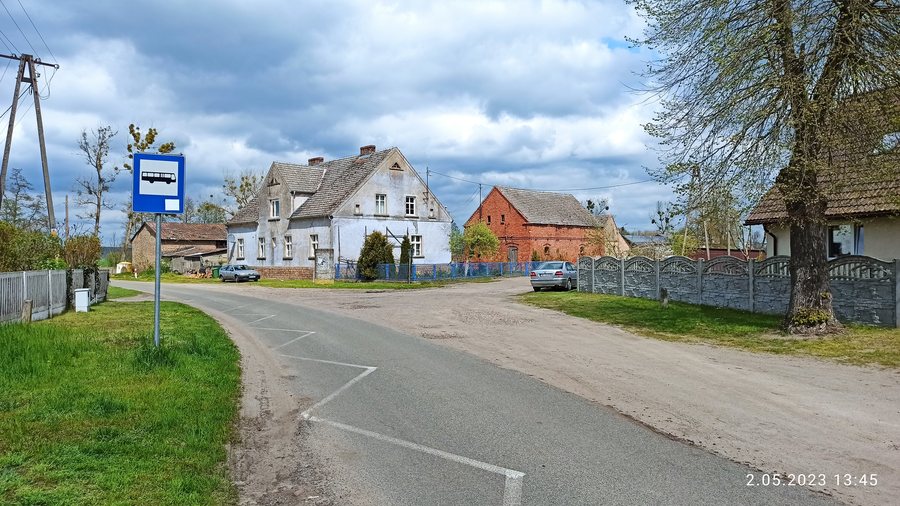
Lebus at a glance
The Ujście Warty National Park provides a habitat for almost 280 bird species in its floodplain and North Polder. The Międzyrzecz Fortified Region, also known as the Dragon’s Teeth, comprises more than 500 structures and around 100 kilometers of underground passageways. The Lubuski Szlak Wina i Miodu (Lubusz Wine and Honey Trail) leads to 65 stops spread across the region. Another themed route, the Szlak Kościołów Drewnianych Regionu Kozła (Wooden Churches Trail of the Kozioł Region), is about 23 kilometers long.
These offer a range of interests side by side: nature, military history, regional collections, wine and honey, and wooden churches. When looking for a hotel in Lebus, you can first consider which of these themes will shape your trip, then choose accommodation that suits your plans.
What does Ujście Warty National Park offer?
The floodplain and North Polder of the national park provide a habitat for almost 280 bird species. This makes the region appealing to travelers who want to focus their trip on birdlife and protected natural areas. The figure describes the diversity of species in the habitat; it does not predict which species you will see on any particular visit.
If you would like to combine nature experiences with other themes, Lebus also offers cultural and culinary points of interest. When planning your trip, you can decide whether to focus more on nature, history or regional food and drink.
Which historic sites and museums shape the region?
The Międzyrzecz Fortified Region is Poland’s largest underground fortification system. Also known as the Dragon’s Teeth, it comprises more than 500 structures and around 100 kilometers of underground passageways. Its scale gives it a distinct profile as a destination for a trip focused on cultural history.
The Lubuskie Military Museum is located in Drzonów. It is the only historical military museum in the Middle Oder region and one of the largest museums of its kind in Poland. If you are particularly interested in military history, you can take this focus into account when choosing places to visit.
The Muzeum Ziemi Lubuskiej (Lubusz Land Museum) in Zielona Góra was founded in 1908. Its collections cover the history, culture and art of the Lebus region. It complements the military history focus with a broader regional perspective on history and art.
What can you discover on the Wine and Honey Trail?
The Lubuski Szlak Wina i Miodu (Lubusz Wine and Honey Trail) includes 65 stops spread across the region. These include 47 vineyards, apiaries and beekeeping businesses, as well as agritourism businesses, museums and the Lubuskie Centrum Winiarstwa (Lubusz Wine Center). The trail brings together a variety of places to visit related to wine and honey, rather than focusing on just one type of stop.
A standard visit to the Wine and Honey Trail includes a tour of a winery, information about viticulture and winemaking, and a wine tasting. This gives the theme a concrete focus: you can learn about both production and the finished wine. If regional cuisine and local products are important to you, this trail offers a different travel focus from nature and history.
How can you explore the route to the wooden churches?
The Szlak Kościołów Drewnianych Regionu Kozła (Wooden Churches Trail of the Kozioł Region) is a tourist route about 23 kilometers long through Chlastawa, Klępsk and Kosieczyn in Zielona Góra County. It includes three wooden churches built between the 14th and 16th centuries.
The church route is for travelers interested in historic wooden architecture. Together with the museums and the fortification system, it shows that cultural interests in Lebus can span a variety of forms and periods.
What should you consider when traveling to the region and choosing where to go?
Lubusz Voivodeship lies at the intersection of natural north–south and east–west corridors. Its road network makes it well connected with the rest of Poland and Europe. This regional context can be useful when planning your journey, but it does not replace checking your specific route.
For more regional orientation, you can also visit the pages for Żary, Żary County, Wschowa, Krosno Odrzańskie, Nowa Sól, Żagań, Strzelce-Drezdenko County, Słubice County, Gorzów Wielkopolski, Sulęcin County, Międzyrzecz County, Świebodzin County and Zielona Góra County.
FAQ
How long is the Szlak Kościołów Drewnianych Regionu Kozła?
The tourist route is about 23 kilometers long and passes through Chlastawa, Klępsk and Kosieczyn in Zielona Góra County.
How many bird species find a habitat in Ujście Warty National Park?
Almost 280 bird species find a habitat in the floodplain and North Polder.
What does a standard visit to the Lubuski Szlak Wina i Miodu include?
A standard visit includes a tour of a winery, information about viticulture and winemaking, and a wine tasting.
For the broader travel overview: Poland.

