
Iłża: Nature, Culture and History
Accommodation in Iłża
Iłża combines historic sites with natural attractions in the surrounding area. When planning your trip, both the different themes and their respective locations are of interest: Piotrowe Pole Nature Reserve lies south of the town, while the arboretum is in nearby Marcule. In Iłża itself is the Jewish cemetery; the castle chapel belongs to the municipality of Iłża.
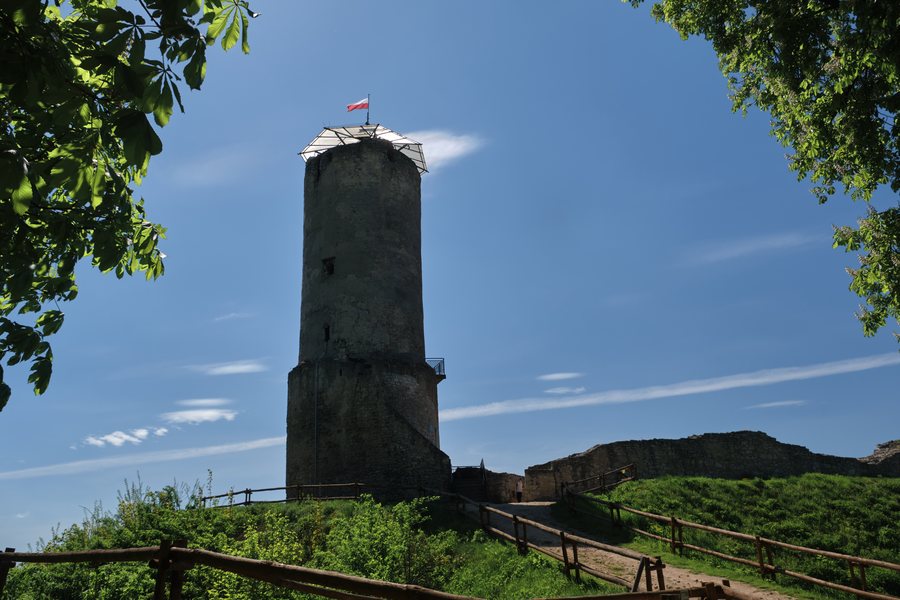
Iłża at a glance
- Piotrowe Pole Nature Reserve is in the Marcule Forest District, about 6 km south of Iłża.
- The arboretum in Marcule covers 9 ha. Its gardens include more than 1,000 trees, shrubs, and perennials, as well as an extensive alpine garden.
- The castle chapel was built in the first half of the 17th century. The Jewish cemetery in Iłża was established in 1837 and covers 1.4 ha.
Which natural attractions define the surrounding area?
Piotrowe Pole and the arboretum in Marcule represent two different nature-related themes. The nature reserve is a specific landmark south of Iłża: it is in the Marcule Forest District and is located about 6 km away. If you are looking for natural attractions for your trip, this distinction can help you decide whether a nature reserve or a garden is a better fit for your interests.
The arboretum focuses on the size and diversity of its gardens. Its area of 9 ha gives you a sense of the scale of the site; more than 1,000 trees, shrubs, and perennials describe its collection. There is also an extensive alpine garden. These details make the arboretum a distinct garden-focused nature attraction and complement the nearby nature reserve. The two places can be considered separately rather than grouped together as a single attraction.
Which historic sites are associated with Iłża?
The castle chapel is in the municipality of Iłża and is dedicated to Our Lady of Sorrows. It was built in the first half of the 17th century and is one of the oldest examples of small-scale sacred architecture in the municipality. It is therefore a landmark for travelers interested in historic religious buildings. Its location is in the municipality, not explicitly in the town of Iłża.
The Jewish cemetery, by contrast, is in Iłża itself. It dates back to 1837 and covers 1.4 ha. Together with the chapel, it offers a differentiated view of the historic sites: the chapel is notable for its date of construction and architectural-historical context, while the cemetery is notable for its founding year and area. These details can help you choose sites based on your personal interest in architectural history or Jewish history.
How can you match these attractions to your accommodation search?
First consider which themes matter for your trip: a nature reserve, an extensive garden, or historic sites in the town and municipality. The details about Piotrowe Pole, Marcule, the castle chapel, and the cemetery help distinguish the attractions by theme and location. When choosing accommodation, consider which location best suits your own travel plans.
If you would like to compare other destinations, also discover Skaryszew, Pionki, Jedlińsk, Podgóra, Radom, Jedlanka Stara, Jedlnia-Letnisko and Waliny.
FAQ
How far south of Iłża is Piotrowe Pole?
Piotrowe Pole Nature Reserve is about 6 km south of Iłża, in the Marcule Forest District.
What does the arboretum in Marcule include?
It covers 9 ha. Its gardens include more than 1,000 trees, shrubs, and perennials, as well as an extensive alpine garden.
Where is the castle chapel?
The chapel is in the municipality of Iłża. It was built in the first half of the 17th century and is dedicated to Our Lady of Sorrows.
When was the Jewish cemetery in Iłża established?
The cemetery was established in 1837 and covers 1.4 ha.
For the broader travel overview: Radom.

