
Brzeg: Piast Heritage, Old Town and Parks
Accommodation in Brzeg
Brzeg combines a well-preserved Old Town and the heritage of the Silesian Piasts with extensive parks and opportunities to observe nature along the Oder. When planning your trip, the main question is whether you would like to focus on architecture and museums, green spaces, or both.
Brzeg at a glance
- Brzeg lies in the Silesian Lowlands on the historic east-west Via Regia route.
- The Old Town retains its street and pavement surfaces, including granite and basalt cobblestones, and is a well-preserved example of a town founded in the mid-13th century under Magdeburg or Środa law.
- Six parks cover a total of more than 90 hectares; four are in the city centre. There are also about 33 hectares of additional green spaces.
- You can reach Brzeg by train, via the A4 motorway, or on national roads 39 and 94. Access from the A4 is via the Przylesie junction, exit 190.
What defines the Old Town and Piast Castle?
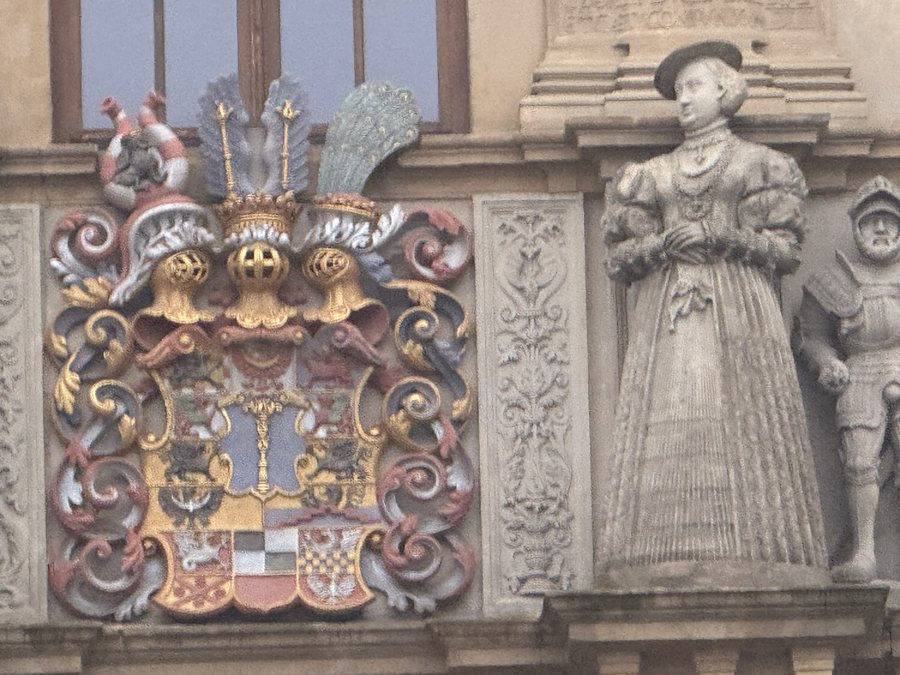
The castle of the Silesian Piasts is a Renaissance residence with origins in the 13th century, extensively remodelled in the 16th century. Its richly articulated façade is a particular highlight of the unique gatehouse and is considered a pinnacle of Piast Silesian art. The castle, with its Renaissance gate and St. Hedwig’s Chapel, was declared a Historic Monument by an ordinance of the President of the Republic of Poland on 10 December 2018.
The St. Hedwig’s Chapel associated with the castle is one of the largest necropolises of the Silesian Piasts. Forty-three members of the Legnica-Brzeg line rest there. Those interested in the history of the town and its rulers will find a different focus at St. Nicholas’ Church: this Gothic, three-aisled basilica was built between 1370 and 1417 on the site of an earlier parish church.
The town hall also tells the story of the town. Jakub Parr and Bernard Niuron built this Renaissance structure between 1570 and 1577 on the site of the Gothic town hall, which burned down in 1569. Near Piast Castle is the Church of the Elevation of the Holy Cross. Its illusionistic frescoes are by the Silesian painter Johann Kuben (1697–1770).
What can you discover at the museum?
The Museum of the Silesian Piasts displays Silesian religious art from the Gothic to the Baroque period, including paintings by Michael Leopold Willmann. The permanent exhibition “Kresy. Ocalone wspomnienia” offers a different perspective: it commemorates the eastern borderlands of the former Republic of Poland through the experiences of people who were expelled from there and settled in the Recovered Territories. The exhibition comprises more than 2,500 objects donated by members of the public, of which 1,000 are on display.
For a cultural trip, you can combine a museum visit with architecture from different periods: the Gothic basilica, the Renaissance town hall and the Piast residence. The Brzeskie Cultural Centre adds to the cultural offer with a cinema, a contemporary art gallery and arts education activities.
How can you explore the town and its green spaces?
Tourist Route No. 1 runs from the square by the Wrocław Gate via the amphitheatre, Central Park, the moat, St. Nicholas’ Church and the town hall to the castle. This route lets you take in parks and central cultural landmarks as part of one itinerary, without specifying a particular duration or distance.
Brzeg has six parks, four of which are in the city centre. Juliusza Peppela Park, formerly known as Freedom Park, was created between 1901 and 1905 and is the city’s largest park. About 150 species of trees and shrubs from Europe, Asia and North America grow in the parks. All parks are open to visitors. Modernised paths allow safe access for wheelchair users, scooter riders and cyclists; some paths are lit at night.
The Oder also offers a connection with nature: cormorants, grey herons, mute swans, goosanders and kingfishers can be observed year-round along the stretch of the river in the city. When choosing activities, you can therefore weigh up architectural history, parkland and birdwatching.
What else is there to do?
The aquapark in Brzeg is a water recreation park with slides and hydromassage facilities. Marina Brzeg is a facility for water tourism. It has a passenger area for small tourist boats, as well as a canoe and yacht area for small-scale tourist traffic.
Organised groups can arrange guided tours of Brzeg through the tourist information point. If you would like to broaden your search within the area covered by this site, nearby places to consider include Grodków, Sulisław, Pisarzowice, Borkowice, Brieg and Kopice. You can also find pages about Opolski and Neisse in the regional guide.
FAQ
How do you get to Brzeg?
Brzeg is accessible by train, via the A4 motorway, and on national roads 39 and 94. Access from the A4 is via the Przylesie junction, exit 190.
What is known about the Old Town?
It is considered a well-preserved example of a town founded in the mid-13th century under Magdeburg or Środa law. Street and pavement surfaces include granite and basalt cobblestones.
Can a guided tour be arranged for a group?
The tourist information point can arrange guided tours of Brzeg for organised groups.
Which birds can be observed along the Oder?
Cormorants, grey herons, mute swans, goosanders and kingfishers can be observed year-round along the stretch of the Oder in the city.
For the overview of the wider region: Opole.

