
Raszowa: Parkland and All Saints Church
Accommodation in Raszowa
Raszowa offers two distinct focal points to consider when planning your trip: the parkland of Park Wiejski and the architectural history of the Baroque All Saints Church. A cycle route leads to the park and then continues onto a blue cycle trail.
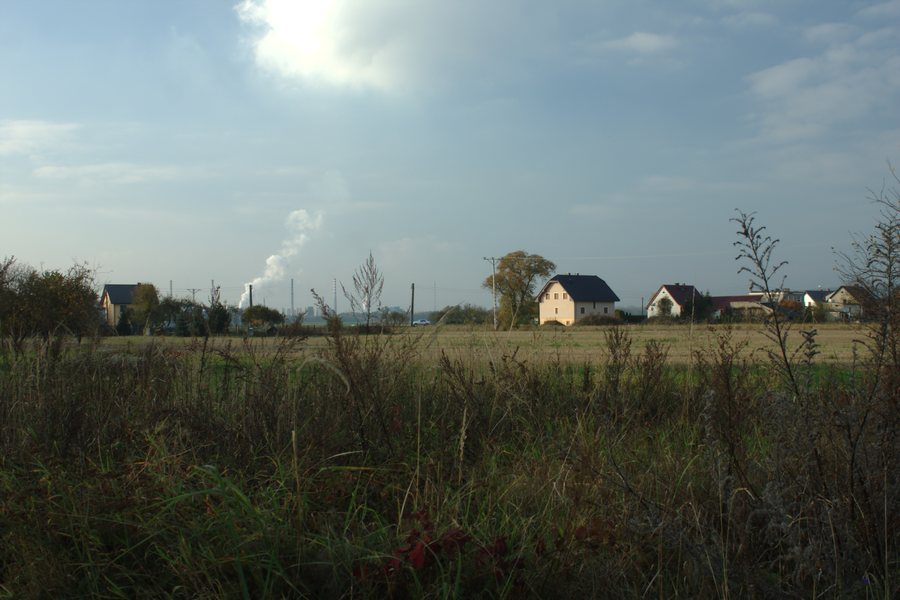 File:Raszowa, Lipowa, domy.jpg
Photo: I would appreciate being notified if you use my work outside Wikimedia. More of my work can be found in my personal gallery . via Source, CC BY-SA 4.0
Raszowa at a glance
Park Wiejski covers 27 hectares of water and green spaces. Its ponds are remnants of a former sand mine. The Baroque All Saints Church was built around the turn of the 14th and 15th centuries and extended towards the end of the 19th century.
What defines Park Wiejski?
Park Wiejski brings together water and green spaces across an area of 27 hectares. Its features include several ponds and numerous fishing jetties. There are also picnic areas and rest spots for walkers. The park thus combines different landscape elements and places to take a break within a clearly defined destination.
The ponds are remnants of a former sand mine. This origin gives the parkland a specific history of use: the bodies of water are not separate from the site's former use but are connected to the former sand mine. For travellers who consider both green spaces and bodies of water, as well as their history, when choosing a destination, the park offers several points of interest.
The fishing jetties, picnic areas, and rest spots mentioned also help define the character of the park. They distinguish the waterside areas from the places to sit and have a picnic. Anyone exploring Raszowa through its landscape can consider these details as separate aspects when planning their trip.
What does the history of the All Saints Church reveal?
The Baroque All Saints Church offers a cultural focal point alongside the parkland landscape. Its history spans two dates far apart: it was built around the turn of the 14th and 15th centuries and extended towards the end of the 19th century. This makes it possible to distinguish the original construction period from the later extension.
If you are interested in the history of a place, this timeline offers a specific point of reference. The church combines an early construction phase with an extension many centuries later. Its Baroque classification adds the building's established architectural designation to this chronology.
What is the cycle route through Raszowa like?
In Raszowa, the municipal cycle route runs along Kuszówka Street and Szkolna Street, past the church and along Kościelna Street to Park Wiejski. It then continues onto the blue cycle trail. The sequence of streets and destinations provides practical guidance for anyone wishing to include this cycle route in their plans.
Check the current route and waymarkers before setting out. This will help you plan according to conditions on the ground.
When comparing hotels in Raszowa, you can first decide what matters most to you: parkland, church history, or the cycle route. This lets you base your search on your travel interests rather than assuming a one-size-fits-all recommendation.
Discover more destinations: Sucha, Sankt Annaberg, Kroschnitz, Strzelce Opolskie Municipality, Żędowice, Olszowa, Ujest, Grodzisko.
FAQ
How large is Park Wiejski?
The park covers 27 hectares and consists of bodies of water and green spaces.
What is known about the ponds in the park?
They are remnants of a former sand mine. The park also has numerous fishing jetties, as well as picnic areas and rest spots.
What is the cycle route to Park Wiejski like?
It runs along Kuszówka Street and Szkolna Street, past the church and along Kościelna Street to the park. From there, it continues onto the blue cycle trail.
Back to the regional travel guide: Strzelecki.

