
Discover Żędowice: Mills, history and trails
Accommodation in Żędowice
Żędowice combines a green-marked cycle route with a kayak portage on the river and several historic buildings. This gives you different options when planning your trip: cycling, a section where portaging is necessary, or local history.
Żędowice at a glance
- Green-marked Cycle Route No. 19 runs through Żędowice.
- There is a kayak portage at a small hydroelectric power station; the river is not navigable there.
- Mills, a church, a wayside chapel and a mass grave represent different aspects of the local history.
Which experiences fit your travel plans?
If you want to explore Żędowice by bike, green-marked Cycle Route No. 19 offers a clear point of reference: it runs through the village. Before setting off, check whether the route markers are in place. This lets you plan the route as a focus of your trip without assuming a particular cycling time.
For a kayak trip, the portage is the key difference from the cycle route. At a small hydroelectric power station, boats must be lifted out of the river and carried onward because the river is not navigable there. Allow for this necessary portage in your plans. Młyn Bombelka is named as an operator of kayak tours on the Mała Panew; check before your trip whether tours are currently available. The cycle route and river trip thus offer different starting points for planning your day.
Which buildings and traces of the past shape the village?
Thiel Watermill on Młyńska Street dates from the early 19th century; Bombelka Watermill is on Stawowa Street. Thiel Mill retains its original machinery, which is still operational. If you would like to see a grain-milling demonstration, check in advance whether one is currently available.
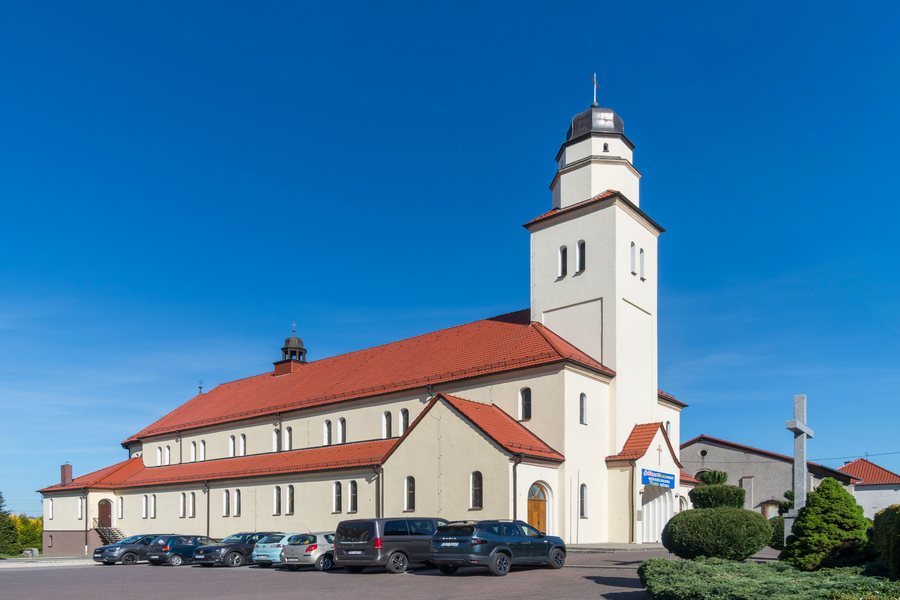
Religious buildings also provide a sense of the past. The “Dzwonek” wayside chapel on Strzelecka Street dates from the early 19th century. The Church of Matki Boskiej Bolesnej was built in 1949–1950 and elevated to the status of a Marian shrine. A mass grave of Silesian insurgents from 1921 is also located in the Roman Catholic cemetery. The former administrative building of the Żędowice ironworks dates from the second half of the 19th century.
The dates therefore range from the early 19th century to the church built in 1949–1950. Thiel Mill and Dzwonek belong to roughly the same period, while the former administrative building, Bombelka Mill and the mass grave offer further points of historical interest. Depending on your interests, you can focus on mill history, religious buildings or commemorative history.
How can you factor accommodation into your plans?
When choosing accommodation, it helps to first decide what you want to focus on during your stay. If you plan to use the cycle route, compare the specific hotel address with your intended starting point. For a kayak trip, first check with Młyn Bombelka for current dates. If local history is your main interest, choose the buildings you want to spend time visiting and check the accommodation address against your day’s itinerary. This way, you can tailor your search to your own plans instead of inferring specific distances from the name of the village.
Discover more destinations: Stubendorf, Grodzisko, Ujest, Sankt Annaberg, Kroschnitz, Zimna Wódka, Leśnica, Colonnowska.
FAQ
Does a cycle route run through Żędowice?
Yes. Green-marked Cycle Route No. 19 runs through the village. Check the route markers before setting off.
Why do kayaks have to be portaged in Żędowice?
The river is not navigable at the small hydroelectric power station. At the portage, boats are lifted out of the water and carried onward.
Can I plan to see a grain-milling demonstration at Thiel Mill?
The original machinery has been preserved and is operational. Check in advance whether a demonstration will be available during your visit.
For the broader travel overview: Strzelecki.

