
Klewinowo: Chapel and Local History
Accommodation in Klewinowo
Klewinowo offers a clear point of connection to cultural history: the Chapel of the Immaculate Conception. Its origins and architecture give your travel plans a specific theme.
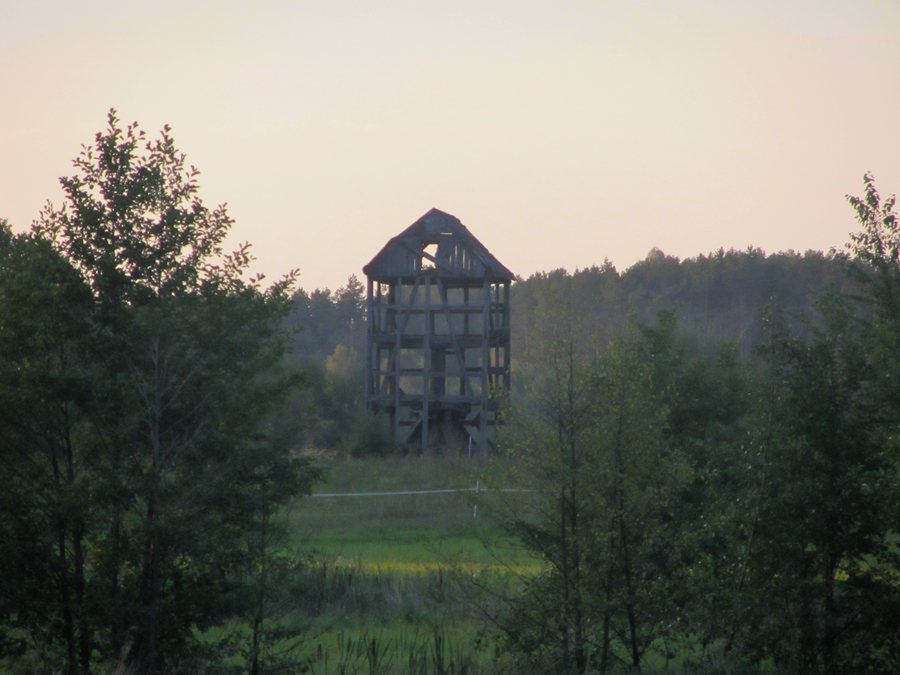 File:Kolonia Klewinowo - wiatrak - ndx - 1.JPG
Photo: Nexusdx via Wikimedia Commons, CC BY-SA 3.0 pl
File:Kolonia Klewinowo - wiatrak - ndx - 1.JPG
Photo: Nexusdx via Wikimedia Commons, CC BY-SA 3.0 pl
Klewinowo at a glance
The Chapel of the Immaculate Conception was built in 1907 and is listed in the historic monuments register of Podlaskie Voivodeship. It is considered an example of small-scale sacred architecture from the early 20th century and forms part of Podlachia’s cultural landscape. Its features include a simple design, brick decoration, and an openwork roof turret topped with a pyramidal spire.
Why was the chapel built?
The chapel was built in 1907 at the expense of local residents and on the initiative of Jan Tomaszewski, a resident of Klewinowo. It was intended as a votive offering during an epidemic of typhus and cattle disease. Its history therefore connects a specific place, a named initiator, and the hardship caused at the time by diseases affecting people and cattle.
This origin gives the building a distinctive historical context: its construction was not merely an architectural undertaking, but also a votive offering. If you are interested in local history, this background offers a way to explore the chapel that goes beyond its outward appearance. The year 1907 and the initiative of a local resident make its origins tangible in both time and place.
What defines the chapel’s architecture?
The chapel combines a simple design with brick decoration inspired by historicist styles. These include, in particular, Romanesque Revival and Gothic Revival influences. A restrained overall form thus sits alongside a more elaborately designed brick surface. Architecture enthusiasts can use this contrast to distinguish the different layers of design in this small sacred building.
The attic is a prominent part of the upper façade. It includes an openwork roof-turret feature crowned with a pyramidal spire. This description brings together several clearly distinct architectural elements: the top of the façade, the openwork design of the roof turret, and its pyramidal crown. Together with the brick decoration, these features offer a concrete view of the design without reducing the building to a single style.
What historical associations are connected with the chapel?
The chapel is listed in the historic monuments register of Podlaskie Voivodeship. Its classification as small-scale sacred architecture from the early 20th century, and its place within Podlachia’s cultural landscape, add a broader cultural context to the story of its construction.
The chapel’s history includes indulgence services on St Anne’s Day, July 26, and on the third day of Easter. These details refer to historical practice; they are not a current service schedule.
What should you bear in mind when travelling there?
The “Klewinowo ‘las’” stop is listed in a municipal schedule adopted in 2025 as one of the stops owned or administered by the Municipality of Juchnowiec Kościelny. If you plan to use this stop for your journey, check the current timetable in advance.
Discover more destinations: Supraśl, Choroszcz, Sokołda, Grabówka, Kleosin, Suraż, Oliszki and Doktorce.
FAQ
When was the chapel built?
The Chapel of the Immaculate Conception was built in 1907 as a votive offering during an epidemic of typhus and cattle disease.
Which architectural features are particularly characteristic?
The simple design is complemented by historicist-inspired brick decoration and an attic with an openwork roof-turret feature and a pyramidal spire.
Which stop is listed in the municipal schedule?
“Klewinowo ‘las’” is listed. Check the current timetable for your specific journey.
Go to the main travel overview: Białostocki.

