
Discover Białostocki: Cultural Routes and the Branicki Garden
Accommodation in Białostocki
Explore Białostocki through two main areas: the cultural routes and the Branicki complex in Białystok, as well as longer routes in the wider region.
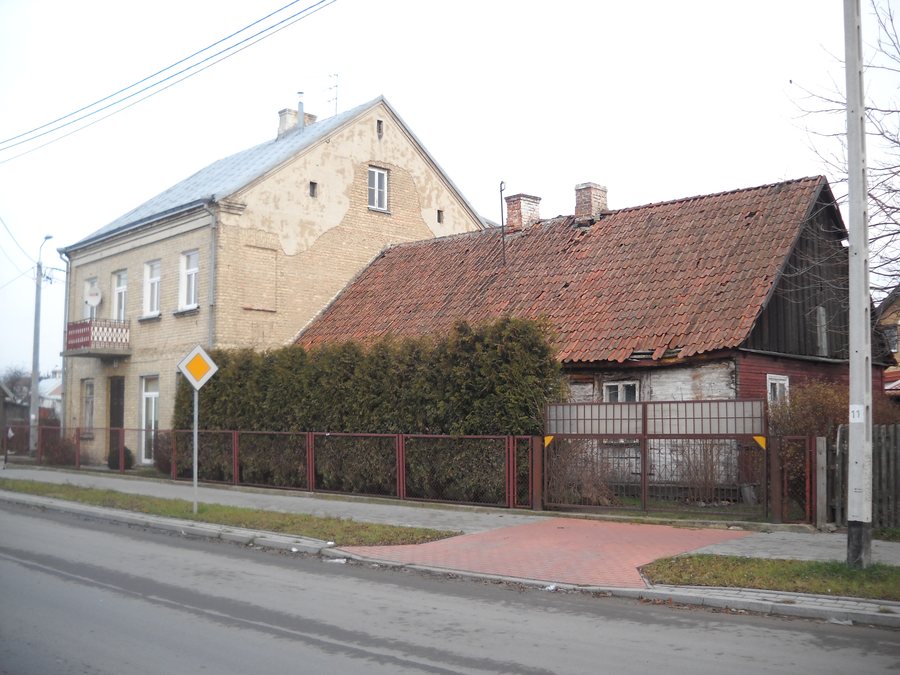 Historic house at Nowowarszawska 11, Białystok
Photo: Photo: Historyczka
Białostocki at a glance
- Under the Interreg programme, the Białostocki subregion comprises Białostocki County, Sokólski County and the city of Białystok.
- Białystok has six established visitor routes, including the Szlak rodu Branickich and routes focused on architecture, history and culture.
- The Branicki Garden is open free of charge year-round; the palace terrace is accessible during the tourist season.
- Regional routes range from the 17 km Szlak Supraski to the 92 km Białystok–Czarna Białostocka–Janów landscape route.
What cultural routes are there in Białystok?
The six visitor routes each have a different thematic focus. The Szlak rodu Branickich leads to places associated with the life and work of Stefan Mikołaj Branicki, Voivode of Podlachia, Jan Klemens Branicki, Grand Hetman of the Crown, and his wife, Izabela Poniatowska. This route thus focuses on specific historical figures and their connection to Białystok.
Other routes are named Szlak białostockich fabrykantów, Szlak białostockich świątyń, Szlak architektury drewnianej, Szlak esperanto i wielu kultur and Szlak Bojar. Their names point to a range of themes: industrialists, religious buildings, wooden architecture, Esperanto and cultural diversity. If you want to explore Białystok, you can use these themes as different starting points for planning your city itinerary.
What makes a visit to the Branicki Garden and Palace distinctive?
The Branicki Garden is open free of charge all year round. Flowers bloom there in summer, and the palace terrace offers views of elaborate flowerbed patterns. The terrace itself is accessible during the tourist season. The garden is therefore accessible year-round, while access to the terrace is seasonal.
The guided tours also have different focuses. “WALK INTO THE PAST – HISTORICAL TRAIL” includes a multimedia exhibition in the cellars of the Branicki Palace, the palace’s representative rooms and the Museum of the History of Medicine and Pharmacy at the Medical University of Białystok. A second guided tour also includes the museum and the palace’s representative rooms. Check the current tour arrangements before your visit.
In 2026, guests and tourists can also take a short, two-hour walk around the palace and garden complex and the Market Square area. Knowing the duration helps you set aside a specific time slot for this walk in your day’s itinerary.
How do routes in the wider region differ?
Routes outside the city itinerary differ both in length and in subject. The yellow-marked Szlak Supraski is 17 km long and passes through forest areas. Also marked in yellow, the Szlak Łukasza Górnickiego covers 20 km and connects Narwiański National Park with Biebrzański National Park via Tykocin.
The blue water route “Kresowe Wędrówki” covers a greater distance: it runs through the centre of the Puszcza Knyszyńska, passing through Supraśl and Wasilków, among other places, and continues to Złotoria, where it meets the Narew. It is about 80 km long. This approximate length is an estimate.
The blue-marked Białystok–Czarna Białostocka–Janów landscape route is 92 km long. It passes through parts of Puszcza Knyszyńska Landscape Park and by, among other places, Wzgórza Świętojańskie and the Budzisko nature reserve. The route starts in Białystok, goes through Królowy Most to Supraśl, then continues along forest roads to Czarna Białostocka. Taken together, the distances give an idea of the scale of the routes; they also differ in their forest, waterway and national-park themes.
How can you tailor your hotel search to your trip?
When searching for hotels in Białostocki, start by sorting out your interests: will Białystok’s cultural attractions, with its visitor routes and the Branicki complex, be your main focus, or would you also like to include longer routes in the surrounding area? Then compare each accommodation’s stated location with your own itinerary. This way, your hotel choice stays connected to the experiences you actually plan to enjoy.
Discover more destinations: Księżyno, Białystok, Tykocin, Wasilków, Łapy, Supraśl, Kleosin, Piećki, Choroszcz, Porosły, Sokołda, Jeżewo Nowe, Woronicze, Poświętne, Czarna Białostocka, Suraż, Doktorce, Stelmachowo-Kolonia, Klewinowo, Zaścianki, Zamczysk, Łaźnie, Grzybowce, Szymki, Jeżewo Stare, Zabłudów, Oliszki, Barszczewo, Uhowo, Grabówka, Niewodnica Kościelna, Mińce.
FAQ
Which areas does the Białostocki subregion include?
Under the Interreg programme, it comprises Białostocki County, Sokólski County and the city of Białystok.
Which historical figures are associated with the Szlak rodu Branickich?
The visitor route leads to places associated with Stefan Mikołaj Branicki, Jan Klemens Branicki and Izabela Poniatowska.
Is the Branicki Garden open year-round?
Yes. The garden is open free of charge year-round. The palace terrace is accessible during the tourist season.
How long are some of the regional routes?
The Szlak Supraski is 17 km long, the Szlak Łukasza Górnickiego is 20 km, and the “Kresowe Wędrówki” water route is about 80 km. The Białystok–Czarna Białostocka–Janów landscape route covers 92 km.
For the wider travel overview: Podlachia.
