
Discover Kaletnik
Accommodation in Kaletnik
Kaletnik offers several points to consider when planning a trip: a fairly large body of water in the centre of the village, forests and a small river nearby, as well as historical themes.
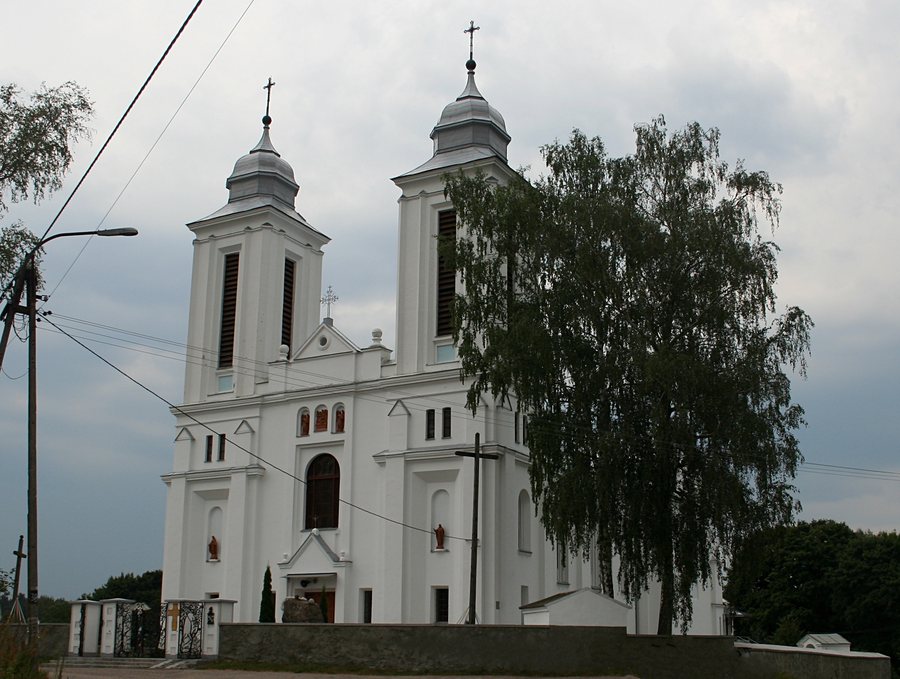 File:Kaletnik kościół św. Ducha 03.08.12 pl.jpg
Photo: pleple2000 via Wikimedia Commons, CC BY-SA 3.0
Kaletnik at a glance
- A fairly large body of water lies in the centre of Kaletnik.
- Nearby, there are forests, a small river and a viewpoint recommended for photography enthusiasts.
- The surrounding forests contain shelters and trenches.
- The railway line from Suwałki to Šeštokai in Lithuania runs immediately outside Kaletnik.
- The history of the place includes the fronts of both world wars and the establishment of a parish by King Stanisław August.
What kind of landscape defines Kaletnik and its surroundings?
The body of water in the centre and the surrounding landscape offer different impressions of the destination. While the body of water is right in the middle of Kaletnik, the area around it is noted for its forests and a small river. A viewpoint adds another landscape feature and is recommended for photography enthusiasts. Nature and photography enthusiasts will therefore find several specific subjects to shape their trip around, without reducing Kaletnik to just one type of landscape.
When choosing a hotel, it can help to first clarify your own interests: would you mainly like to get to know the place itself, are you more drawn to the landscape features described here, or would you like to combine both? The information distinguishes between the body of water in the centre and the features in the surrounding area. This distinction can help you clarify your expectations for your stay and then compare accommodation options based on their actual locations.
What historical themes are associated with Kaletnik?
The history of the place encompasses several different aspects. The fronts of both world wars passed through Kaletnik; the surrounding forests contain shelters and trenches. The historical events in the village and the described traces in the forests are therefore distinct themes. If you are interested in history, you can take these connections into account as you prepare, rather than treating them as a single attraction.
The history of the church is also part of the story of the place: King Stanisław August founded a parish in Kaletnik, and the small church from Strzyżewski was moved there. The cemetery in Kaletnik has old grave monuments and a chapel dating from the early 20th century. These details offer various historical perspectives, from the development of the parish to forms of remembrance at the cemetery. They can help you decide whether local history is an important part of your travel interests.
What does the railway line mean for planning your journey?
The railway line from Suwałki to Šeštokai in Lithuania runs immediately outside Kaletnik. It places the village within a cross-border transport area, but it does not provide timetable information in itself. If you would like to plan your journey by train, check the connections and journey times available for your travel date separately. This keeps the geographical location of the line distinct from the details of your actual journey planning.
Compare hotels using their published location details and your personal plans. The information about Kaletnik’s features can help narrow your search; it does not replace comparing the specific offers.
Discover more destinations: Krzywe, Osinki, Stary Folwark, Bakałarzewo, Płociczno-Osiedle, Przełomka, Jalowo, Raczki.
FAQ
Is the body of water outside Kaletnik?
No. A fairly large body of water is located in the centre of Kaletnik.
What is part of the village’s church history?
King Stanisław August founded a parish in Kaletnik; the small church from Strzyżewski was moved there.
Does the railway line run through Kaletnik?
No. The line from Suwałki to Šeštokai in Lithuania runs immediately outside the village.
To the regional travel overview: Suwalski.

