
Starnice: Manor House and Local History
Accommodation in Starnice
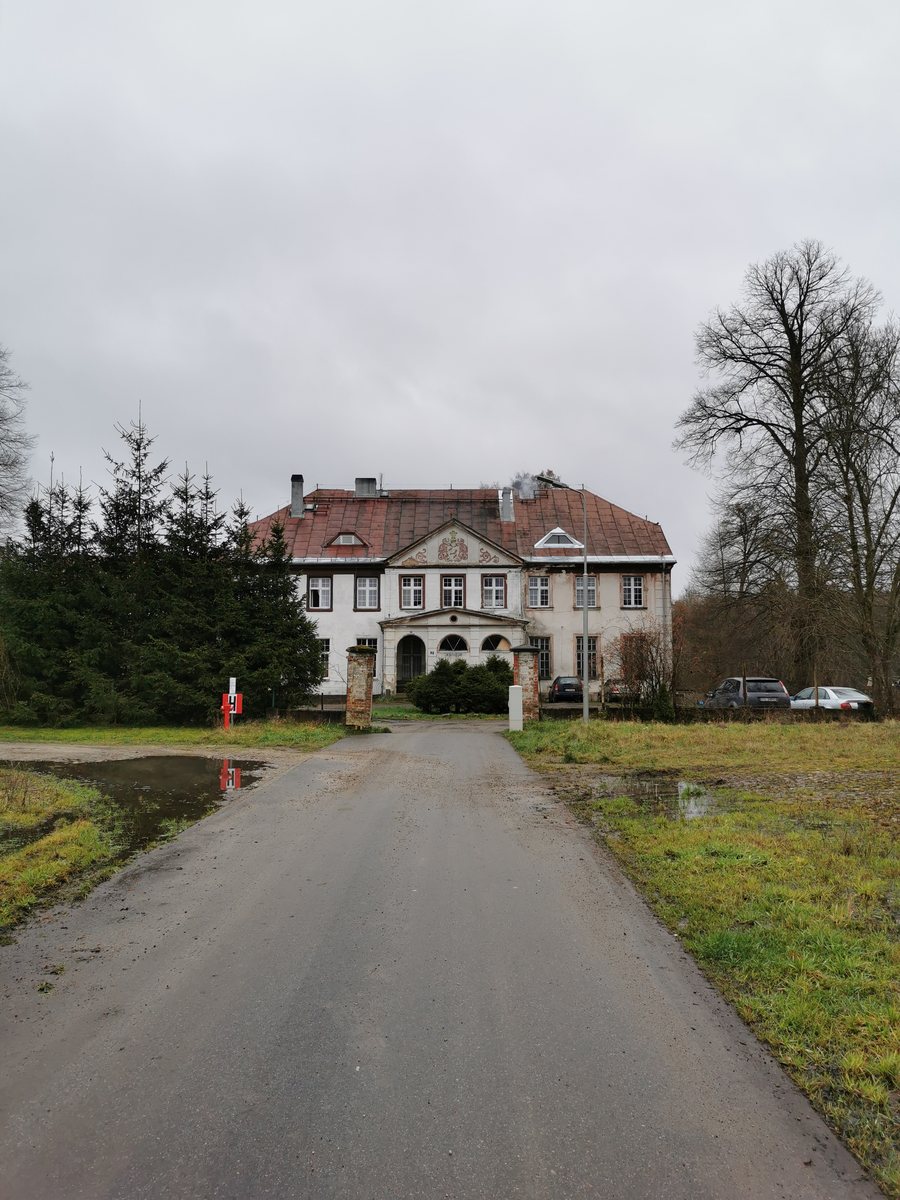
Starnice is characterized by a late-Baroque manor house, historic cemetery traces, and a landscaped park. These themes offer a concrete way to explore the local and estate history and help you understand the destination’s cultural focus.
Key facts about Starnice
- The late-Baroque manor house was built by the von Gottberg family in the late 18th century; the estate belonged to the family from 1753 to 1945.
- The village cemetery preserves original spruce plantings and fragments of grave monuments; an iron cross marks a grave from 1894.
- A second burial ground in the northeast is linked to a chapel on a map from 1935.
- The historic landscaped park has a destroyed spatial layout and destroyed features.
What does the manor house tell us about Starnice?
The dates relating to the manor house and the estate describe different things: construction took place in the late 18th century, while the estate was owned by the von Gottberg family from 1753 to 1945. The first date concerns the building’s construction; the second concerns the estate’s ownership history. This makes it possible to understand the construction period and the duration of ownership without conflating them.
The manor house is a two-story late-Baroque building with nine bays. The number of bays describes the vertical divisions of the façade; together with its two stories, it gives a clear picture of the building’s form. In the early 1940s, a mill and a distillery were also part of the estate. These details add the economic side of the property to its architectural history.
What do the cemetery traces reveal?
At the village cemetery, original spruce plantings run along the boundary. Surviving fragments of grave monuments point to burials from the late 19th and early 20th centuries. An iron cross there marks a grave from 1894. This specific date falls within the longer period indicated by the fragments and provides a concrete chronological reference.
The plantings describe the cemetery’s boundary, while the grave fragments and cross make the historic burial traces tangible. A second burial ground northeast of Starnice is linked to a chapel on a map from 1935. This chapel connection belongs to the 1935 depiction and is therefore distinct from the surviving grave markers at the village cemetery.
How does the landscaped park differ from the manor house?
Starnice also has a historic landscaped park. Its spatial layout and features have been destroyed. The contrast with the manor house is clear: its style, stories, and façade bays can be described, whereas the park’s layout and features have been destroyed. Together, the building and landscape histories offer different perspectives on local history, with different characteristics relevant to each.
Discover more destinations: Objazda, Grabno, Sycewice, Kluki, Rowy, Witkowo, Retowo, Stara Dabrowa K Slupska.
FAQ
When was the manor house in Starnice built?
The von Gottberg family had it built in the late 18th century. The estate was owned by the family from 1753 to 1945; this period refers to the ownership history, not the construction period.
What historical evidence is there at the village cemetery?
Surviving fragments of grave monuments point to burials from the late 19th and early 20th centuries. An iron cross marks a grave from 1894.
What is known about the second burial ground?
A map from 1935 links a second burial ground northeast of Starnice to a chapel.
For the broader travel overview: Słupsk.

