
Discover Katowice: Music, City History and Nature
Accommodation in Katowice
Katowice combines music and industrial history with city parks, woodland trails and a large nature reserve.
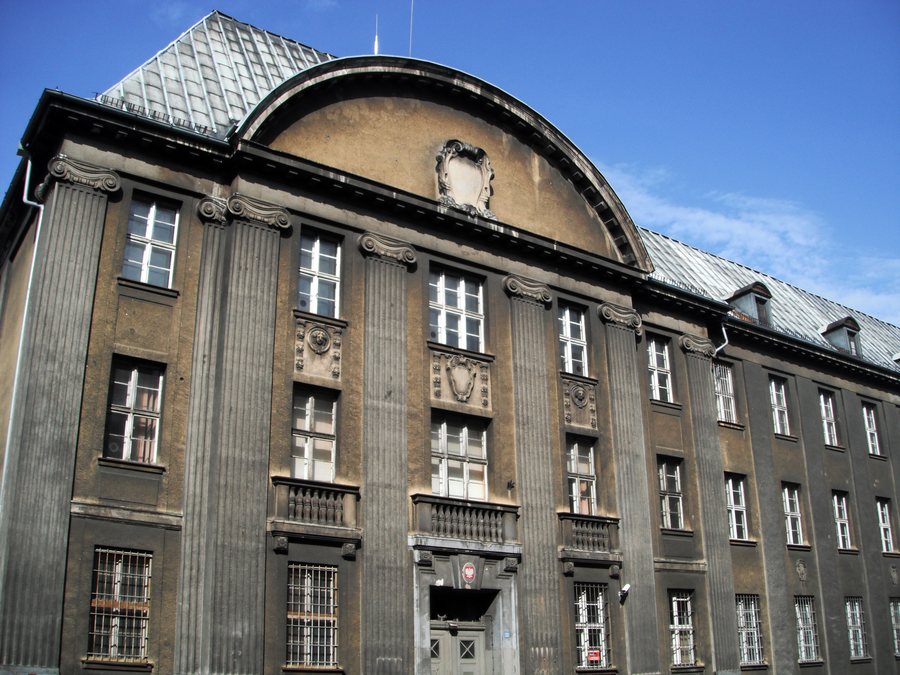 File:Katowice, siedziba Der Königlichen Polizeidirektion Kattowitz 2.JPG
Photo: Aiwlys via Wikimedia Commons, CC BY-SA 3.0 pl
File:Katowice, siedziba Der Königlichen Polizeidirektion Kattowitz 2.JPG
Photo: Aiwlys via Wikimedia Commons, CC BY-SA 3.0 pl
Katowice at a glance
Katowice is a UNESCO Creative City of Music. Its cultural life includes 27 music festivals, including OFF, Tauron and Rawa. The city also offers historic settlements and architecture, museums and green spaces: Las Murckowski Nature Reserve covers more than 100 hectares, and Katowice’s forests have a network of hiking and cycling trails.
What makes Katowice a cultural destination?
The Polish National Radio Symphony Orchestra brings concert and educational spaces together in one building. These include a 1,800-seat concert hall, a chamber music hall and numerous workshop and educational spaces. The orchestra organizes the “New Polish Music” festival of world premieres, “Katowice Kultura Natura” and the International Karol Szymanowski Music Competition. These musical offerings shape different aspects of cultural life, from concerts to festivals.
The city’s history is also present at specific sites. The Silesian Centre for Freedom and Solidarity features a permanent multimedia exhibition about the strike in December 1981 and resistance to the communist system in the 1980s. Bookable guided tours take place from Tuesday to Saturday. Tours with strike participants are also available on Tuesdays, Thursdays and the first Saturday of the month.
In the Nikiszowiec area, a branch of the History Museum of Katowice is located in a former washhouse; its branch on Rymarska Street has permanent exhibitions. Nikiszowiec was recognized as a Historical Monument in 2011. Also in Nikiszowiec, the Wilson Shaft Gallery presents an exhibition of modern art.
How can you explore the city’s history and architecture?
Architecture enthusiasts can follow a tourist route featuring 16 modernist buildings from the 1920s and 1930s. It is 5.5 kilometres long, with multimedia information kiosks along the way. Another glimpse into industrial history awaits at Fabryka Porcelany. It is part of the Route of Industrial Monuments; its complex dates from the turn of the 20th century and includes valuable post-industrial architecture.
Giszowiec is a historic workers’ settlement in the southeast of Katowice. It was built from 1907 to 1910 for workers at the Giesche mine. Those who prefer to explore the city’s history through different forms of public art can also follow the Neon Trail, established in 2021: display units in the city centre feature reconstructions of former neon signs, archive photographs and their history. You can plan your own routes of several kilometres along the mural trail, from north to south or from east to west.
Other notable sites include the Archcathedral of Christ the King, one of the city’s architectural monuments. The historic Kościuszko Park’s character is shaped by its varied terrain and ornamental vegetation. It is also home to a historic wooden church dating from 1510 and a parachute tower.
Where can you enjoy nature and outdoor activities?
Las Murckowski protects a natural beech forest with old beech and oak trees, protected plants and woodland wildlife. The nature reserve covers more than 100 hectares and includes the slopes of Wanda Hill, the highest point in Katowice. If you want to include nature and active recreation in your travel plans, Katowice’s forests offer hiking and cycling trails, purpose-built shelters, campsites and information boards.
The Three Ponds Valley also offers opportunities to get active: it has an inline skating trail just under 4 kilometres long, as well as cycling and jogging routes. The Centre for Ecological Education in Katowice-Murcki offers another way to engage with nature and the environment. It has three workshops, a clay kiln, an insect display and utility and sensory botanical gardens.
What should you know about accommodation and getting around?
Bus and tram services in Katowice and neighbouring cities are organized by Transport GZM. When deciding which experiences you want to shape your trip, you can choose from both urban cultural attractions and nature and outdoor activities. A Silesian Museum annual pass gives you access to its permanent and temporary exhibitions for 365 days. The Katowice City Break app guides visitors to the main tourist attractions; the Tourist Information Centre is located at Rynek 13.
For an overview to help you get your bearings, see Katowice. To compare other destinations, you can also visit pages for Bielsko-Biała, Jastrzębie-Zdrój, Mikołów, Lubliniec, Dąbrowa Górnicza, Rybnik and Siemianowice.
FAQ
When are guided tours at the Silesian Centre for Freedom and Solidarity available to book?
Bookable guided tours take place from Tuesday to Saturday. Tours with strike participants are also available on Tuesdays, Thursdays and the first Saturday of the month.
How long is the route featuring modernist buildings?
The tourist route features 16 buildings from the 1920s and 1930s and is 5.5 kilometres long in total. Multimedia information kiosks are located along the route.
What does the Silesian Museum annual pass include?
It gives you access to the museum’s permanent and temporary exhibitions for 365 days.
For the wider travel overview: Silesia.

