
Borowa
Accommodation in Borowa
Borowa can be explored through a range of interests: a nature trail winds between ponds, along old embankments and through tree-lined woodland paths. The palace, park, church and railway station building each offer a different perspective on the history of the town. This can help you weigh up nature and culture when planning your trip.
Key facts about Borowa
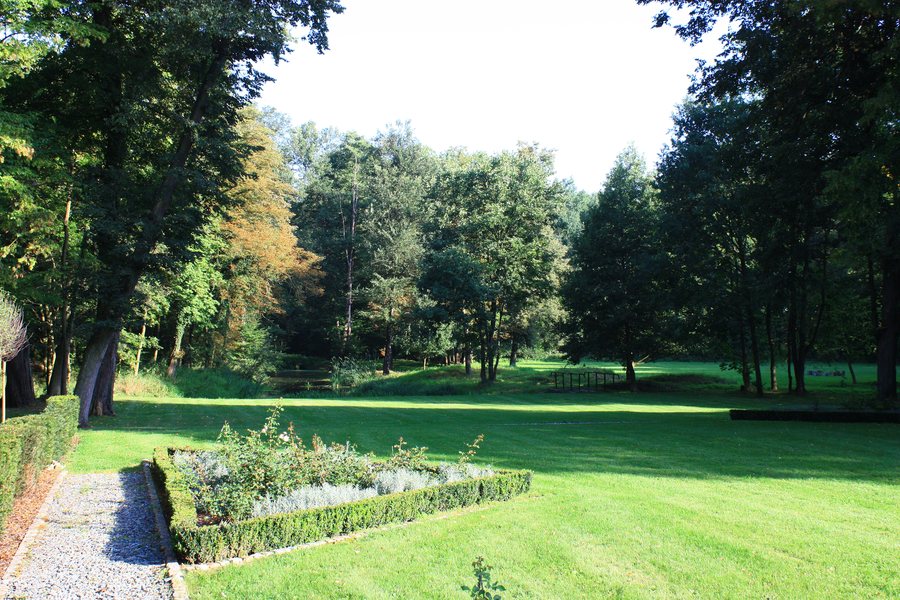
The nature trail features ponds, old embankments, woodland paths and a viewpoint on the Oleśniczka. In the palace park, features of a formal garden dating from around the mid-18th century are still visible; much of the surviving tree cover dates from the 18th and 19th centuries. The church was first mentioned in 1339. The railway station building dates from around 1890 to 1900.
What makes the nature trail in Borowa distinctive?
The nature trail runs between ponds. Its route follows old embankments and woodland paths lined with numerous trees of notable heritage value. The bodies of water, embankments and trees are the trail’s defining landscape features. It also includes a viewpoint on the Oleśniczka.
What stories do the palace and park tell?
The palace in Borowa was built around 1880 by the family of Count Frederyk von Schwerin. The park retains visible features of a formal garden dating from around the mid-18th century. Much of the park’s surviving tree cover dates from the 18th and 19th centuries. The garden design, trees and palace can thus be considered as distinct aspects of the town’s history.
The palace’s history during the Second World War is also part of its context: it was included on the list of Lower Silesian conservator of monuments Günter Grundmann and was one of more than 100 Lower Silesian depots on that list. This is a different historical reference from the palace’s construction period or the older features of the park. Those interested in cultural history will therefore find several clearly distinct points of reference in Borowa.
What do the church and railway station tell us about the town?
The church in Borowa is a filial church of the parish in Długołęka and is dedicated to Matki Boskiej Królowej Polski. It was first mentioned in 1339. Another specific point of reference is the brick tower in the arcade style, built in 1865 in front of the nave.
The railway station building is another of the historic buildings described here. It dates from around 1890 to 1900. The church and railway station complement the palace and park as distinct points of reference for exploring Borowa’s cultural history.
If you would like to compare other town pages in the catalogue, you can also find Mszana, Wodzisław Śląski, Syrynia, Rydułtowy, Skrzyszów, Połomia, Radlin and Pszów.
FAQ
What is included in the nature trail in Borowa?
It runs between ponds and follows old embankments and woodland paths lined with numerous trees of notable heritage value. A viewpoint on the Oleśniczka is also part of the trail.
What periods do the palace and park date from?
The palace was built around 1880 by the family of Count Frederyk von Schwerin. The park retains features of a formal garden dating from around the mid-18th century; much of the surviving tree cover dates from the 18th and 19th centuries.
When was the church in Borowa first mentioned?
The church was first mentioned in 1339. The brick tower in the arcade style in front of the nave was built in 1865.
When does the railway station building date from?
The railway station building in Borowa dates from around 1890 to 1900.
For the main travel overview: Wodzisław.

