
Discover Łańcut: Castle, Park and Culture
Accommodation in Łańcut
Łańcut brings together a rich cultural history, an extensive park and special collections. Trails, pottery traditions and regional products also offer ideas for planning your trip.
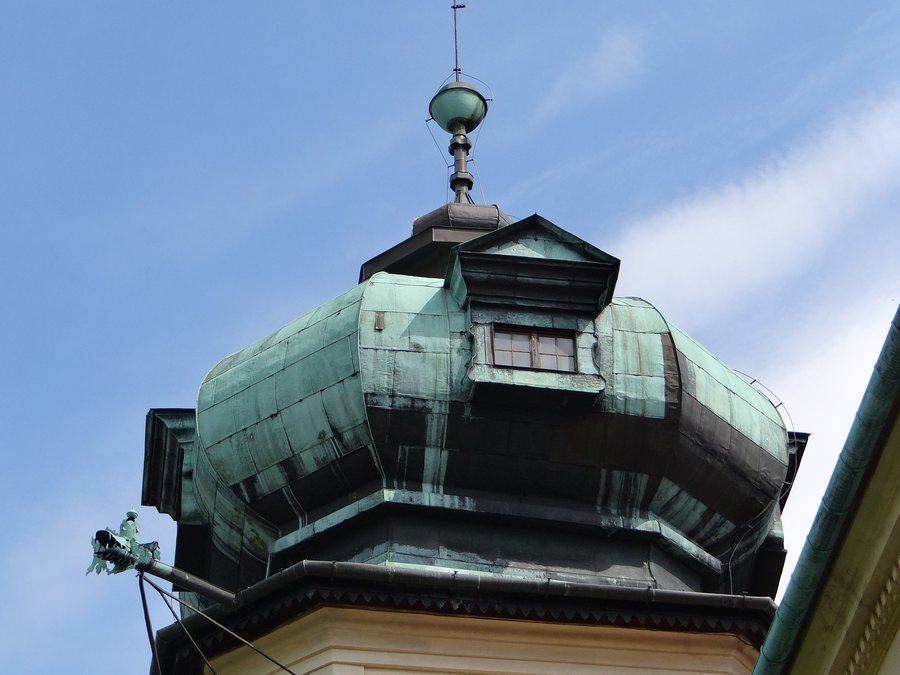 Łańcut. Zamek Lubomirskich i Potockich 1023 2
Photo: Janusz Krzyżek via Wikimedia Commons, CC BY-SA 4.0
Łańcut at a glance
- Łańcut Castle was built between 1629 and 1642 at the behest of Stanisław Lubomirski.
- Łańcut Park covers 31 hectares.
- The Orchid House is home to more than 1,260 orchid species; the number may change.
What history and collections shape Łańcut?
Łańcut Castle was built between 1629 and 1642 at the behest of Stanisław Lubomirski. The town’s cultural history also includes the Baroque synagogue with its authentic bimah. The collection of sacred Orthodox art is housed in the east wing of the coach stables and is the largest of its kind in Poland.
Another collection comprises 55 coach exhibits and dates back to the Potocki family. The Orchid House is home to more than 1,260 species. A collection of this scale is considered unique in Poland and one of only a few in the world; the exact number of species may change. Together, these collections show different aspects of Łańcut’s cultural heritage.
What makes Łańcut Park special?
The 31-hectare park is divided into inner and outer areas. Numerous shrubs, trees and sculptures shape the inner area. The outer area is an extensive landscape park with remarkable trees, including Japanese pagoda trees, American tulip trees and soulangeana magnolias. There is also a small pond and an avenue of red-leaved beeches. The two areas offer different experiences within the same park.
What trails and craft traditions can you explore in the wider travel area?
In the wider region, the “Koralowa” ecological educational trail in Cierpisz runs through the southern part of Łańcut County. A southern cycling route of about 30 kilometres passes through Handzlówka, Albigowa-Honie, Cierpisz, Kraczkowa and Albigowa.
Pottery is also part of the region’s heritage. The largest pottery centre in Poland once developed in the north of Czarna municipality; it included Zalesie, Medynia Głogowska, Medynia Łańcucka and Pogwizdów. A tourist pottery trail passes through these four villages. At the Zagroda Garncarska in Medynia Głogowska, courses on making clay musical instruments and ceramic jewellery are held with the participation of Polish and foreign ceramicists. Check with the operator for current availability.
In the forests of Husów, an ecological educational trail passes through the “Husówka” nature reserve. Władysława Prucnal’s gallery displays figures, reliefs and mosaics depicting the lives of the inhabitants of a former village. Gallery visits are by prior arrangement only.
What does Rosolis tell us about Łańcut’s local products?
Rosolis production began in Łańcut towards the end of the 18th century and continues to this day. This high-proof liqueur combines rose, herbal-bitter and coffee flavours.
Discover more destinations: Białobrzegi, Łańcut, Kraczkowa, Czarna, Brzóza Stadnicka, Leżajsk, Jasielski and Leski.
FAQ
When was Łańcut Castle built?
It was built between 1629 and 1642 at the behest of Stanisław Lubomirski.
How large is Łańcut Park?
The park covers 31 hectares and consists of a landscaped inner area and an extensive outer landscape park.
What pottery courses are available in Medynia Głogowska?
The Zagroda Garncarska offers courses on making clay musical instruments and ceramic jewellery. Ask the operator about current availability.
For the broader travel overview: Subcarpathia.

