
Discover Lesko on the San: history and trails
Accommodation in Lesko
Lesko lies on the banks of the San, on the slope of Baszta. Historic buildings, sweeping views across the valley and routes for cycling and walking offer a range of ways to plan your trip.
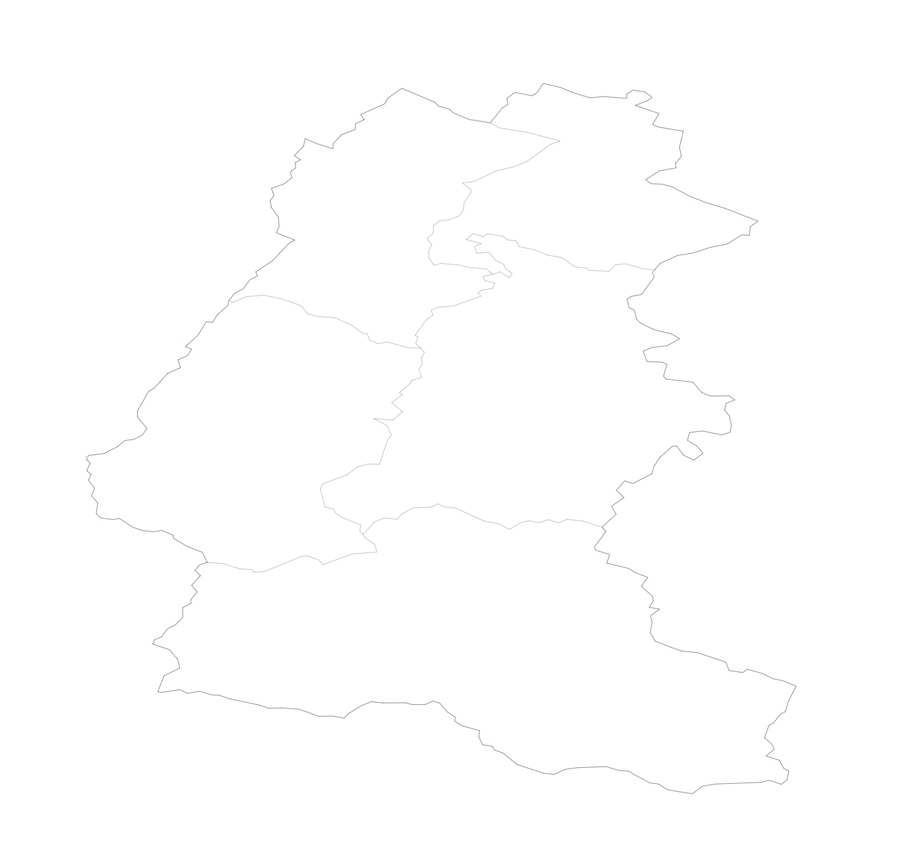
Lesko at a glance
- Lesko lies on the San; from the surrounding hills, views extend as far as Smerek and Połonina Wetlińska.
- Kmita Castle dates from the 16th century; the Church of the Visitation of the Blessed Virgin Mary was built around 1530.
- From Lesko, you can set off on a 54-kilometre cycling tour around Góry Słonne.
- The walk from the town centre to Kamień Leski takes about an hour, depending on the route.
What shapes the landscape around Lesko?
From the hills around Lesko, views stretch across the San Valley and the Góry Słonne Landscape Park to Smerek and Połonina Wetlińska. The panorama brings together the river valley, the landscape park and the two named peaks. If you are weighing up nature and cultural experiences as you plan your trip, this offers a different focus from the historic buildings in town.
The garden in Lesko also offers its own perspective on the landscape. Remnants of an earlier forest remain in its ravines and on the slopes. These include impressive pedunculate oaks several hundred years old, large-leaved lindens and elms. The approximate ages show that the area is shaped not only by its tree species, but also by an environment that has developed over a long period.
Which historic buildings can you identify?
Kmita Castle was built in the 16th century on a high escarpment above the San. Its changing architectural character is especially striking: one side recalls a medieval fortress, while the other looks like a Renaissance residence. The building can therefore be described not only by its period of construction, but also by the contrast between its two façades.
The Church of the Visitation of the Blessed Virgin Mary dates from around 1530. It was built of rubble stone on a Latin-cross floor plan. The term describes the cross-shaped layout; the material and form provide two specific features of the church’s construction.
The synagogue was built between 1626 and 1654 in the Mannerist-Baroque style. River pebbles, dressed stone and bricks were used in its construction. The Jewish cemetery in Lesko also reflects the town’s long history: it dates from the turn of the 16th and 17th centuries and has well-preserved matzevot, or Jewish gravestones. These sites and buildings differ in age and design, offering a varied view of historic Lesko.
Which routes and activities can you compare?
The 54-kilometre cycling tour around the Góry Słonne range starts in Lesko. Its length is a useful point of reference when adding a tour to your travel plans; check local route conditions before setting off. The Lesko municipality also has off-road cycling routes in the “Extreme – Bieszczady” series. They run along forest and field tracks. This gives you a choice between a described circular tour and a series of routes with specified surfaces.
From the town centre, you can walk to Kamień Leski in about an hour; the actual duration depends on the route. The distinctive Kamień Leski is a natural attraction in the region and is especially popular with climbers. Walking and climbing therefore offer two different ways to enjoy this natural destination. When planning, allow for the approximate walking time and check local conditions.
Discover more destinations: Wetlina, Buk, Uherce Mineralne, Polańczyk, Lesko, Bóbrka, Terka, Roztoki Dolne, Łukawica, Zwierzyń, Wańkowa, Przysłup, Hoczew, Górzanka, Rabe, Werlas, Cisna, Olszanica, Mchawa, Smerek, Solina, Baligród, Myczków, Zahoczewie, Manasterzec, Kalnica and Żerdenka.
FAQ
How long is the cycling tour around Góry Słonne?
The circular tour is 54 kilometres long and starts in Lesko. Check local route conditions before setting off.
How long does the walk to Kamień Leski take?
Kamień Leski is about an hour’s walk from the town centre; the duration depends on the route you choose.
What distinguishes Kmita Castle from the church?
The castle dates from the 16th century and recalls a medieval fortress on one side and a Renaissance residence on the other. The church was built around 1530 from rubble stone and has a Latin-cross floor plan.
For the broader travel overview: Subcarpathia.

