
Discover Przemyśl: Culture, Walking Routes and Underground History
Accommodation in Przemyśl
Przemyśl can be explored through several distinct themes: the Muzeum Dzwonów i Fajek in the late Baroque Clock Tower, an underground route with an interactive presentation of history, and three named walking routes.
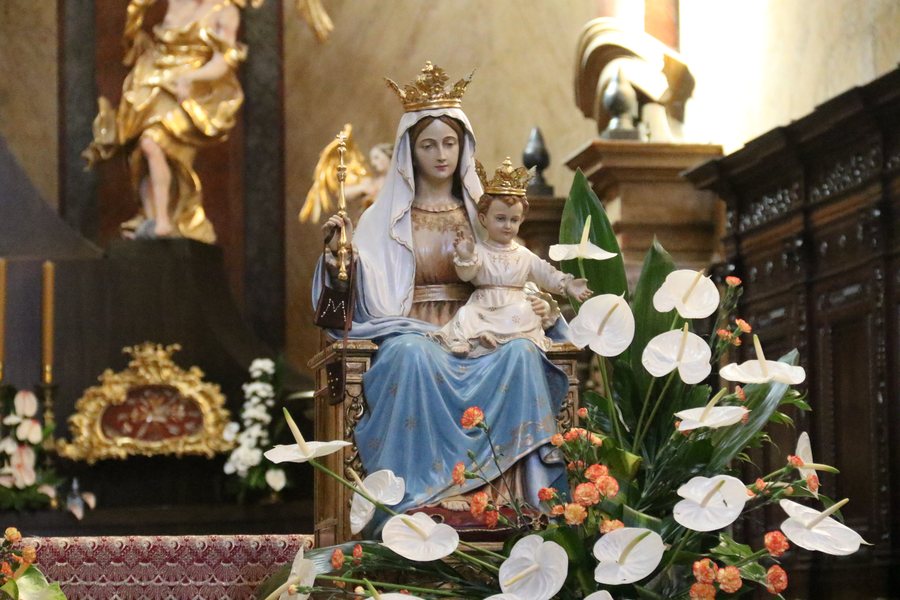 File:Kościół Karmelitów Bosych, Przemyśl 1.jpg
Photo: AnnaBanasiak via Wikimedia Commons, CC BY-SA 4.0
Przemyśl at a glance
- The Muzeum Dzwonów i Fajek is located in the late Baroque Wieża Zegarowa in the Old Town. It displays historical evidence of bell casting and pipe making.
- The Podziemna Trasa Turystyczna runs through cellars beneath the town hall, then via a historic sewer and a newly built underground passageway to the cellars at Rynek 9.
- The walking route system includes the Śródmiejski Szlak Spacerowy im. Księcia Przemysława – Założyciela Miasta, the Zasański Szlak Spacerowy im. Orląt Przemyskich, and the Kruhelski Szlak Spacerowy im. bł. Jana Balickiego. The Kruhelski also passes partly through Śródmieście.
- The underground route is also accessible to people with visual or hearing impairments; across ten stations, there are a total of 16 tactile graphics and exhibits.
Where can you encounter Przemyśl’s craft traditions?
At the Muzeum Dzwonów i Fajek, a specific location and a clearly defined cultural theme come together. The late Baroque Clock Tower is in the Old Town; the museum displays historical evidence of bell casting and pipe making. These crafts have long been, and continue to be, associated with Przemyśl at home and abroad. If you would like to learn about local crafts as well as buildings on a city break, the museum offers a tangible way to connect with the city’s culture.
The combination of building and exhibition gives the museum a distinct profile: it is housed in a late Baroque tower, while the exhibits focus on two particular crafts. This sets the theme apart from a general overview of the city’s history and makes it especially interesting if you are interested in bells or pipes.
What can you experience on the underground route?
The Podziemna Trasa Turystyczna passes through several cellars beneath the town hall. A historic sewer and a newly built underground passageway lead onward to the cellars at Rynek 9, home to the Muzeum Historii Miasta Przemyśla. The route described therefore includes different spaces and two distinct types of passage: a historic sewer and a newly built passageway.
The route also has its own thematic focus: it presents Renaissance-era Przemyśl through an engaging, interactive presentation. When choosing what to see, you can therefore distinguish between exploring historical crafts at the museum in the Clock Tower and taking an underground route that conveys the city’s history through its spaces and interactive exhibits.
The route is also accessible to people with visual or hearing impairments. Ten stations feature a total of 16 tactile graphics and exhibits. These specific details add another aspect to the description of the route that you can consider when deciding whether this experience is for you.
How do the walking routes differ?
Przemyśl’s walking route system includes three named routes: the Śródmiejski Szlak Spacerowy im. Księcia Przemysława – Założyciela Miasta, the Zasański Szlak Spacerowy im. Orląt Przemyskich, and the Kruhelski Szlak Spacerowy im. bł. Jana Balickiego. The Kruhelski also passes partly through Śródmieście. This is a specific point of reference when comparing the routes: the fact that this route partly passes through Śródmieście is explicitly noted.
The full names help you distinguish the three routes instead of treating them as one general walking option. If you want to focus on a particular route, you can first note its name and, for the Kruhelski, also take into account the stated section through Śródmieście.
What role do Zniesienie and the fortress play?
Zniesienie is a hill overlooking Przemyśl. Fort XVI “Zniesienie” belongs to the inner ring of the Przemyśl Fortress. This offers two distinct perspectives: Zniesienie as a landscape feature above the city, and the fort as part of the inner fortress ring. If you would like to consider the landscape and fortress history side by side when planning your trip, these aspects can be clearly distinguished.
Discover more destinations: Wapowce, Tarnawka and Brylińce.
FAQ
Which building houses the Muzeum Dzwonów i Fajek?
It is located in the late Baroque Wieża Zegarowa in Przemyśl’s Old Town.
What is the difference between the two underground passage structures?
The route passes through a historic sewer and a newly built underground passageway.
Which walking route also passes partly through Śródmieście?
That is the Kruhelski Szlak Spacerowy im. bł. Jana Balickiego.
For the broader travel overview: Prömsel.

