
Wyszowate: Lake Scenery and Historical Traces
Accommodation in Wyszowate
Wyszowate can be understood through the landscape around nearby Lake Ublik Wielki and the cultural and historical traces found in the village. The dates range from the 19th century to settlements from various periods.
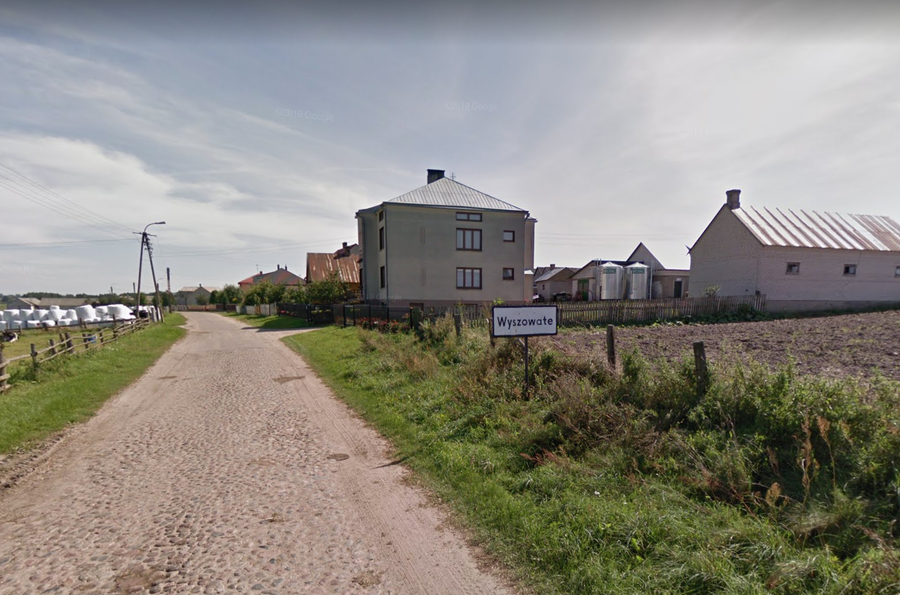
Wyszowate at a glance
- The Protestant cemetery dates from the second half of the 19th century and is listed as historic monument A-2846.
- A family cemetery is dated to the fourth quarter of the 19th century.
- Archaeological sites include Neolithic and prehistoric traces, as well as settlements from later periods.
- Nearby Lake Ublik Wielki is a ribbon lake with an indented shoreline and connections to other lakes.
What is the landscape around Lake Ublik Wielki like?
Nearby Lake Ublik Wielki is a ribbon lake with a deeply indented shoreline. Its shores are high and hilly, and steep in places. The area around the lake includes fields, meadows, pastures, and small riparian woodlands. Water, terrain, and open countryside thus shape different aspects of the area surrounding the village. This combination provides a more specific way to understand Wyszowate than a general reference to a lake district: the description includes not only the water, but also the undulating shoreline and the rural surroundings.
The connections between the bodies of water can also be distinguished. Watercourses connect Lake Ublik Wielki with Lakes Ublik Mały and Byczek; there is a navigable connection to Lake Buwełno. Watercourses are specified for the first connections, while the connection to Buwełno is explicitly described as navigable. This helps place Lake Ublik Wielki in the context of several lakes without treating the different connections as equivalent.
What historical traces are there in Wyszowate?
The Protestant cemetery dates from the second half of the 19th century. It is listed as historic monument A-2846; it was listed by a decision dated August 28, 1989. This date refers to the listing decision, not to when the cemetery was established. A family cemetery in Wyszowate is dated to the fourth quarter of the 19th century.
The two dates are easy to compare: the Protestant cemetery is dated to the entire second half of the century, while the fourth quarter given for the family cemetery indicates a narrower period. Both dates fall in the 19th century, but they refer to different types of cemetery. Together with the archaeological traces, they provide a broader chronological view of the village’s history.
Which periods are represented by the archaeological sites?
The three sites differ in the traces associated with them. A Neolithic settlement trace is recorded at archaeological site 21-74/1. Site 21-74/2 includes a settlement from the Early Middle Ages and another dating from the Middle Ages to the modern era. At site 21-74/14, a prehistoric settlement trace and an Iron Age iron-smelting site are found together.
The picture therefore covers more than one period: settlement traces range from prehistory to later periods, and there is also an iron-smelting site. The numbers help distinguish the different sites. These traces also differ in nature from the 19th-century cemeteries: here, the focus is on settlements and iron smelting, while the cemeteries section concerns the two cemetery types and their dates.
Discover more destinations: Paprotki, Milki.
FAQ
What does historic monument number A-2846 mean?
It is the listing number of the Protestant cemetery in Wyszowate. The listing was made by a decision dated August 28, 1989.
Which settlement traces are associated with site 21-74/2?
It includes a settlement from the Early Middle Ages and another dating from the Middle Ages to the modern era.
What connection is there between Lake Ublik Wielki and Buwełno?
There is a navigable connection to Lake Buwełno. Watercourses also connect Lake Ublik Wielki with Ublik Mały and Byczek.
For the broader travel overview: Lipińskie.

