
Kętrzyński: Hotels and accommodations
Accommodation in Kętrzyński
Kętrzyn’s historical heritage includes St. George’s fortified church, a castle, and the city fortifications. This provides a concrete point of reference for a culturally oriented trip.
You can book a hotel in Kętrzyński.
Geographical setting
Kętrzyn is associated with the surrounding Masurian Lake District; the nearby Wolf’s Lair at Gierłoż is designated as a historical attraction.
Culture
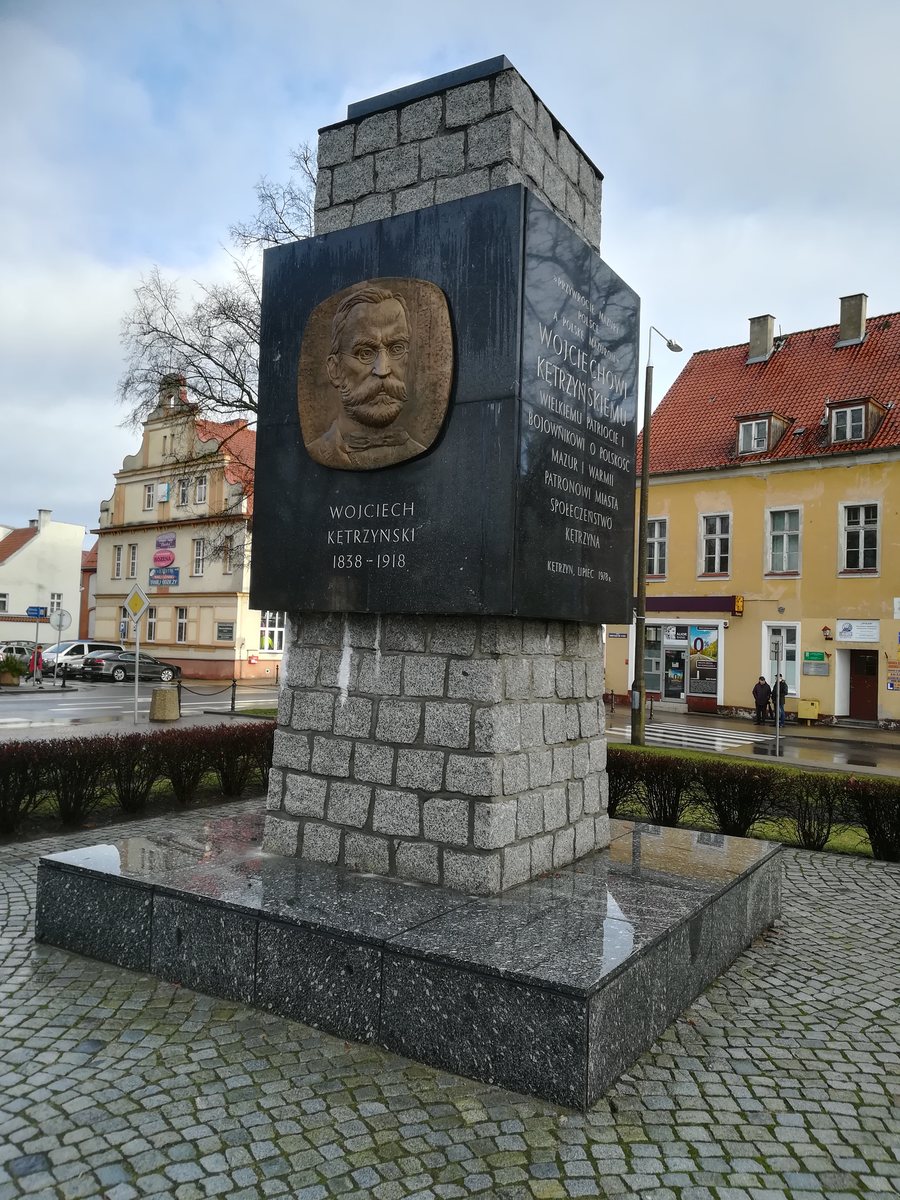
The Gothic Teutonic Order castle in Kętrzyn dates from 1374 and houses the Regional Museum, which is named after Wojciech Kętrzyński.
Kętrzyn is described as a border area between Warmia and Masuria.
In the immediate vicinity of Kętrzyn lies Kętrzyn – Teutonic Castle, Rastenburg, 14th century; in the surrounding area of Kętrzyn lies Barciany – Teutonic Castle, 14th century.
In the wider regional surroundings of Kętrzyn lie Reszel – Castle of the Warmian Bishops, 14th–15th century and Upałty. The aforementioned castle reference provides another concrete point of reference for cultural travel interest.
Regional tourist attractions associated with Kętrzyn include the Baroque basilica in Święta Lipka and the remains of the Wolf’s Lair near Gierłoż.
Orientation
Kętrzyn lies at the intersection of routes leading to Węgorzewo, Mrągowo, Bartoszyce, and Giżycko.
Kętrzyn lies on tourist routes toward Reszel and Święta Lipka, as well as toward the Great Masurian Lakes.
Other destination pages: Jankowice, Nakomiady, Karolewo, Muławki, Leśny Rów, Łęknica, Reszel, Biedaszki, Jezewo, Barciany, Kętrzyn, Aptynty, Kotkowo, Pilec, Swieta Lipka, Czerniki, Grabno.
To the overview of the wider destination: Warmia-Masuria.

