
Probark: Cycling Route and Local History
Accommodation in Probark
Probark has a direct connection to the Duża Pętla Mrągowska cycling route and a local history dating back to the 15th century. Nearby is Lake Probarskie, which is used for fishing, sailing, and diving. When choosing where to stay, you can take cycling, water activities, and historical points of interest into account.
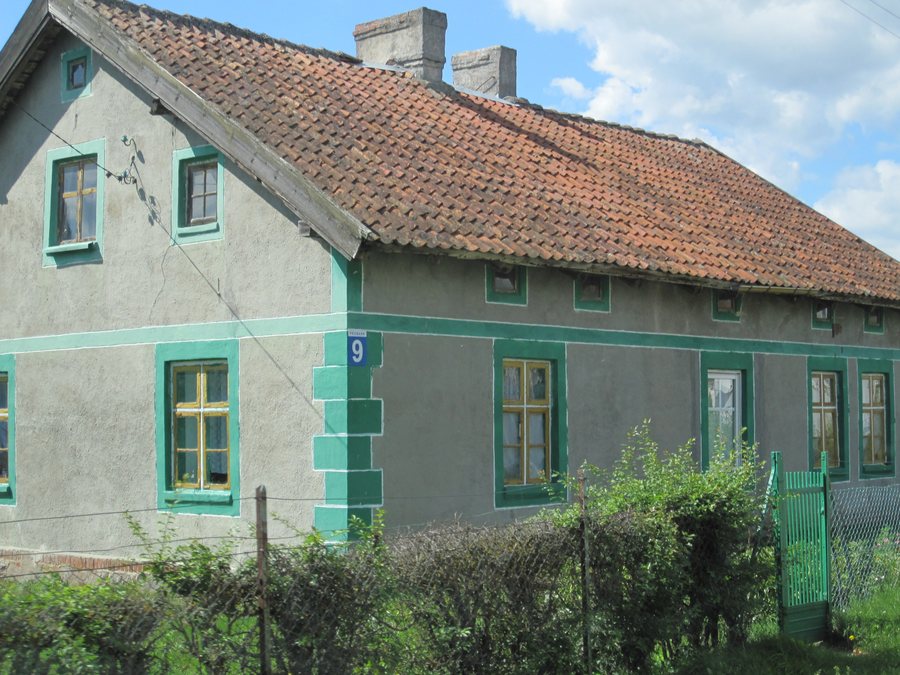
Probark at a glance
- The “Duża Pętla Mrągowska” cycling route passes through Probark.
- Blue markings on trees and cycling route signs mark the route; the markings were renewed in 2026.
- The route starts and finishes at the town hall in Mrągowo.
- Probark was founded around 1471 at the initiative of Polish landowners.
- The early settlement developed around manor buildings associated with several service estates located there.
- The Kosewo–Probark–Bronikowo road was opened to traffic in 1913.
- Nearby Lake Probarskie is used for fishing, sailing, and diving.
What does the cycling route mean for your plans?
The Duża Pętla Mrągowska passes through Probark and is marked with blue markings on trees and cycling route signs. It is also helpful for navigation to distinguish the village from the route’s endpoints: the route starts and finishes at the town hall in Mrągowo, while Probark lies along the route. If you are considering the village in connection with the cycling route, you can keep these two details separate rather than treating Probark as the starting or finishing point. Before setting out, check the current route signs and plan your ride around the markings.
What activities are available at Lake Probarskie?
Lake Probarskie is near the destination and is used for fishing, sailing, and diving. This offers a different planning consideration from the marked cycling route through Probark: you can weigh water activities and cycling as separate focuses for your stay. If a particular activity on the lake is important to your trip, check access and conditions in advance. This will help you decide whether the lake is a good fit for your plans.
What historical points of interest shape Probark?
Probark was founded around 1471 at the initiative of Polish landowners. The early settlement developed around manor buildings associated with several service estates located there. The founding date places its origins in time, while the buildings and service estates offer further insight into how the settlement developed at that time.
A later historical milestone concerns transport: the Kosewo–Probark–Bronikowo road was opened to traffic in 1913. The founding of the village and the opening of the road are two distinct historical events. Together, they provide a timeline from the late 15th to the early 20th century, for those interested in the village’s history as well as its present-day travel attractions.
Discover more destinations: Maradki, Nowy Zyzdrój, Czerwonki, Zełwągi, Krutyński Piecek, Mikolajki, Nowe Kiełbonki and Popowo Saleckie.
FAQ
How is the Duża Pętla Mrągowska marked in Probark?
Blue markings on trees and cycling route signs mark the route.
Where does the cycling route start and finish?
The route starts and finishes at the town hall in Mrągowo. Probark lies along the route.
What activities take place at Lake Probarskie?
The nearby lake is used for fishing, sailing, and diving. Check access and conditions in advance if one of these activities is important to your plans.
What is known about Probark’s early history?
Probark was founded around 1471 at the initiative of Polish landowners. The early settlement developed around manor buildings associated with several service estates located there.
For an overview of the wider area: Mrągowski.

