
Goleniów
Accommodation in Goleniów
Get to know Goleniów through its architectural history and cultural heritage sites. Churches, medieval fortifications and the former river port offer different perspectives for exploring the city.
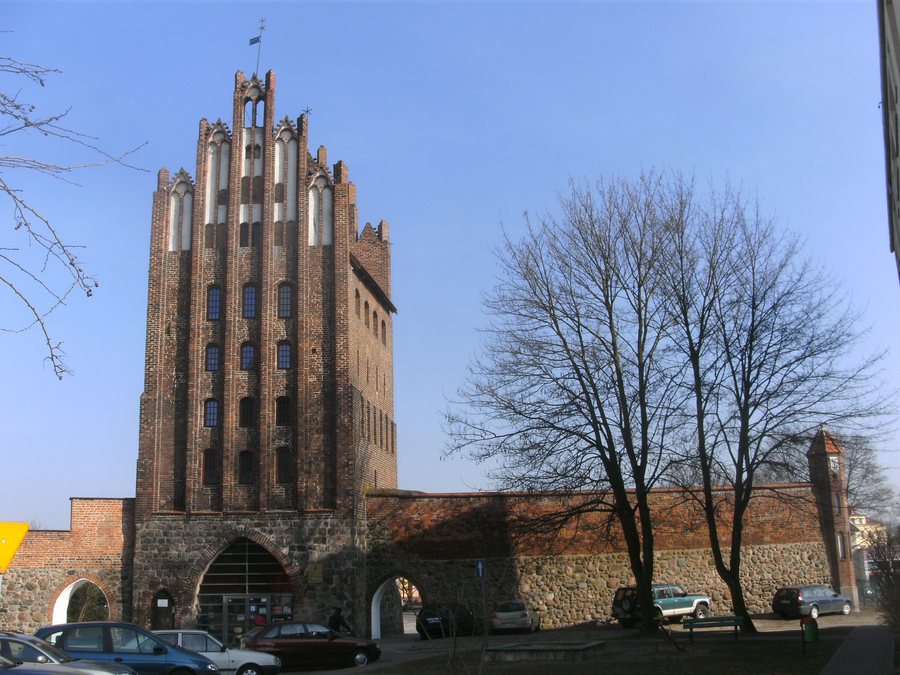
Goleniów at a glance
The medieval city fortifications date from the 13th to the 15th century. St. Catherine’s Church was built in the 15th century, partly on the foundations of a Romanesque church. On the banks of the Ina stands a three-storey half-timbered granary, built in 1749 and located about 12 metres from the riverbank.
Other cultural points of interest include the Documentation Centre for the History of the Goleniów Region, known as the “Yellow House”, and Aleja Legend on a promenade renovated in 2013. The Municipal Tourist Route passes architectural monuments and interesting sites, and is marked with blue footprints.
What traces of the city’s history can you discover?
The combination of different architectural periods makes the church an example of how older structures can be incorporated into later sacred architecture. Together, these buildings offer different clues to the city’s historical development, even though they were not built in the same period.
The archaeological site of the former St. George’s churches preserves another form of remembrance. Their foundations remain there, and the site is listed in the heritage register. In Goleniów, a church, fortifications and the foundations of former churches thus stand side by side as different witnesses to the city’s history.
What does the granary by the river tell us?
The distinctive granary is a three-storey half-timbered building dating from 1749. Its location is precisely described: it stands about 12 metres from the banks of the Ina. The building is also significant to the history of the river port. It is the only trace indicating that the city’s river port was once located here. In this way, the granary’s architectural form connects with a clue to the site’s former use.
How are local legends and regional history presented?
At Aleja Legend, granite sculptures depict local legends. They stand along the walls of a promenade on the Ina, renovated in 2013. This artistic approach differs from that of the historic buildings: instead of looking at architectural periods or preserved foundations, you encounter stories from the region in the form of sculptures.
The “Yellow House” is the Documentation Centre for the History of the Goleniów Region. It opened on 11 November 2008 in a renovated townhouse dating from the late 19th century, on Pocztowa Street. The exhibition rooms are spread across two floors: there are two rooms on the lowest floor and four on the first floor. If you are interested in regional history, these details can help you decide whether to include the house in your selection of cultural topics.
What guidance does the Municipal Tourist Route provide?
The Municipal Tourist Route passes the city’s architectural monuments and interesting sites. It is marked as the Blue Footprints Route. This marking helps you distinguish the route from other city paths as you find your way around. The marking itself does not indicate a particular historical period or architectural focus: the destinations along the route cover a range of historical and cultural themes.
To compare other local pages: Łęgno, Przybiernów, Załom, Budzieszowce, Maszewo, Dąbrowica, Stepniczka and Nowogard.
FAQ
What period do the city fortifications date from?
The medieval city fortifications of Goleniów date from the 13th to the 15th century.
When was the granary built?
The distinctive granary by the river was built in 1749.
How many exhibition rooms does the Yellow House have?
There are two exhibition rooms on the lowest floor and four on the first floor.
How can you recognise the Municipal Tourist Route?
It is marked as the Blue Footprints Route and passes architectural monuments and interesting sites in the city.
To the main travel overview: Gollnow.

