
Discover Kolbatz: Cistercian heritage and a cycling route
Accommodation in Kolbatz
Kolbatz is a destination for travellers who want to make historic architecture and culture the focus of their stay. The former Cistercian monastery complex, the museum and a cycling route offer different ways to plan your trip.
Key facts about Kolbatz
The former Cistercian monastery complex in Kołbacz was declared a Monument of History by an ordinance of the President of the Republic of Poland dated 3 July 2014. The area of this monument includes the Church of the Sacred Heart of Jesus. Kołbacz is also home to the Muzeum Dawnego Opactwa Cystersów, the abbot’s house and a defensive tower. Cyclists can currently use a 9 km route in the municipality of Stare Czarnowo, connecting Stare Czarnowo, Kołbacz and Szczecin.
What makes the former monastery distinctive?
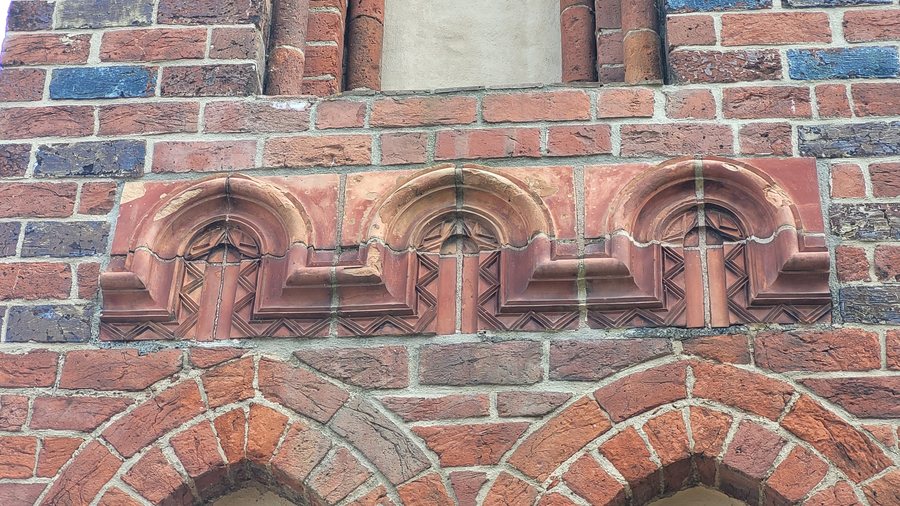
The protected Cistercian complex is considered an outstanding example of the transition from Romanesque to Gothic architecture. Its features include innovative architectural solutions and high-quality architectural detailing. This makes the site more than a single historic attraction: its different structures and their varied functions can be viewed in the context of the history of the former monastery.
The site’s historic status is also part of its significance. It was declared a Monument of History in 2014 by an ordinance of the President of Poland. The monument is designated “Kołbacz – complex of the former Cistercian monastery, later summer residence of the Pomeranian dukes and state estate”. This designation records the different historic uses without grouping them into a single building phase.
Which buildings and details can you discover?
The Romanesque-Gothic brick church has an unusual rose window. Another notable feature is the timber roof structure of the nave, which was converted into a granary in the 16th century. Its later use as a granary is therefore part of the church building’s history.
The abbot’s house and the defensive tower both date from the 14th century. In earlier centuries, the Gothic wing was inhabited by members of the religious order. These buildings represent different aspects of the monastery complex: residential use, defensive architecture and the architectural development of the complex. If you are particularly interested in architectural history, you can compare these features as you explore the site.
What does the museum in Kołbacz offer?
The Muzeum Dawnego Opactwa Cystersów is housed in the historic granary and the conversi house. Its exhibitions and cultural events present the Cistercian heritage and the revitalised former monastery buildings.
Anyone interested in visiting the museum can call from Tuesday to Saturday, between 9:00 and 13:00 or between 15:00 and 19:00. If you are planning a visit, note these times for calling. As part of the “Cienie zapomnianych kultur” project, concerts, exhibitions and meetings are held in the former Cistercian buildings in Kołbacz.
How can you include Kolbatz in a cycling itinerary?
The cycling route currently available is 9 km long and connects Stare Czarnowo, Kołbacz and the city of Szczecin. It lies within the municipality of Stare Czarnowo. The route is a specific way to include Kołbacz in a cycling itinerary; its stated length does not indicate a particular travel time.
Kołbacz is also on the “Na południe od Szczecina – Szlakiem mapy Lubinusa” tourist route. If you would like to follow a named tourist route, you can take this into account when planning the rest of your trip.
To compare other destinations separately, you can also visit the entries for Gryfino, Cedynia, Krzywin, Nawodna, Nowe Czarnowo, Widuchowa, Moryń and Binowo.
FAQ
When can you call to enquire about visiting the museum?
You can reach the museum by phone from Tuesday to Saturday, between 9:00 and 13:00 or between 15:00 and 19:00.
Which buildings house the museum?
The Muzeum Dawnego Opactwa Cystersów is housed in the historic granary and the conversi house.
How long is the cycling route through Kołbacz?
The route is 9 km long and connects Stare Czarnowo, Kołbacz and the city of Szczecin.
What are the church’s distinctive features?
The Romanesque-Gothic brick church has an unusual rose window. Its nave has a unique timber structure and was converted into a granary in the 16th century.
For the regional travel overview: Greifenhagen.

