
Discover Koszewko: Landscape Park and Historic Traces
Accommodation in Koszewko
Koszewko combines a connection to the landscape with tangible historical remains. The Landscape Park and surviving traces from different centuries offer points of reference if you want to shape your stay around landscape and history.
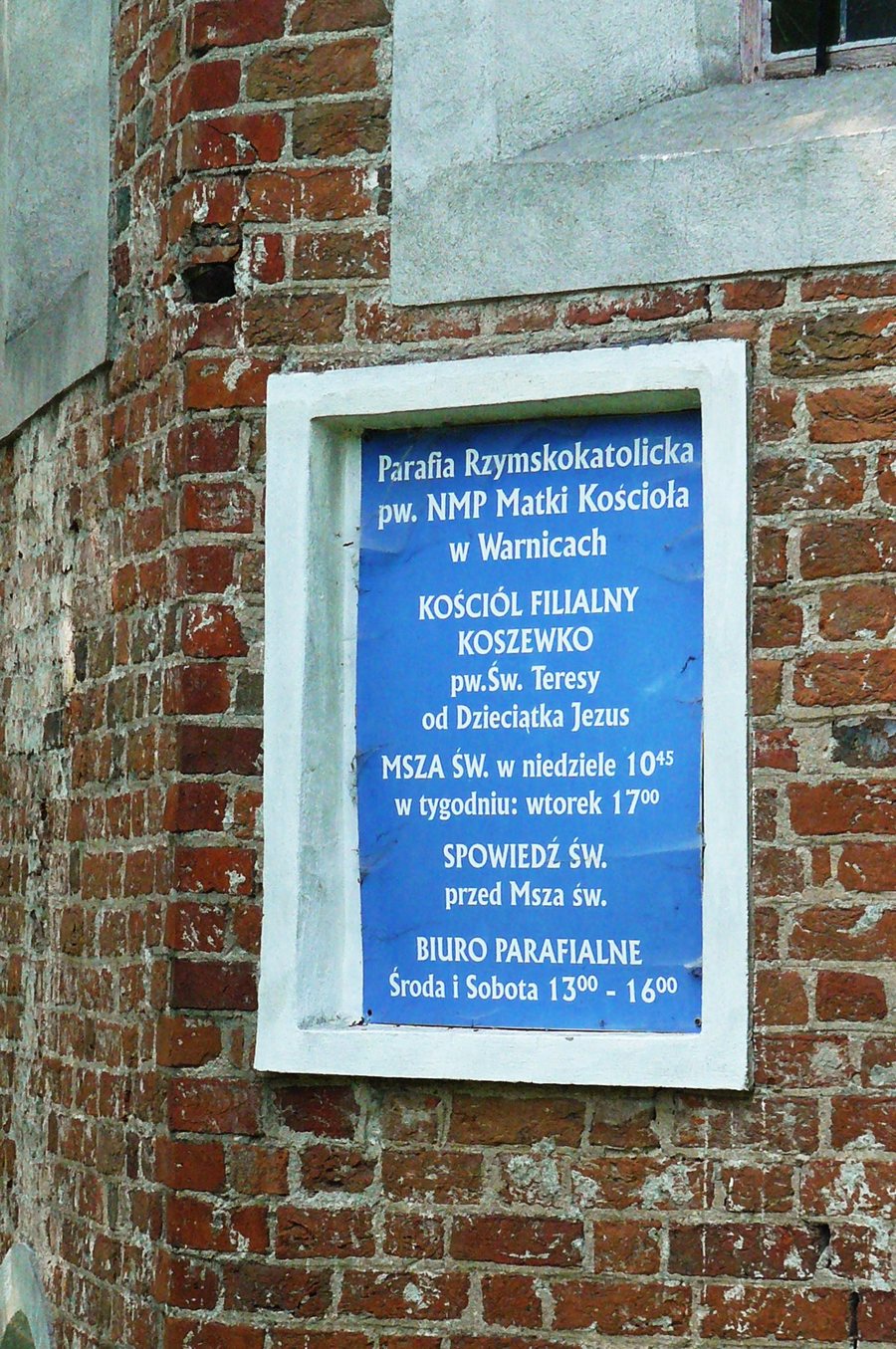
Koszewko at a glance
The area's key features range from the park to archaeological traces:
- Koszewko is located on the Pyrzycko-Stargard Plain.
- The Landscape Park covers 7.6 hectares and was laid out in the 18th century.
- Its historical heritage includes cemetery remains from the first half of the 16th century and traces of a Slavic hillfort dating from the 9th to 10th centuries.
What defines the Landscape Park?
The 7.6-hectare Landscape Park was laid out in the 18th century. Its notable trees include a beech protected as a natural monument, four small-leaved limes, and two ash trees. These tree species give the park a distinct landscape character, while its origins add a historical dimension.
The park also contains a chestnut avenue dating from the 1930s. This offers another point of reference for the development of the grounds: the park's history began in the 18th century, while the avenue represents a later phase of landscaping. Together, these details help you see Koszewko's landscape not just as a backdrop, but in its historical context.
What historic traces can be found in Koszewko?
Remains of the original cemetery, dating from the first half of the 16th century, survive at the churchyard. The churchyard is partly enclosed by a stone wall and a wire fence. The details about the enclosure and the cemetery remains describe different aspects of the same place: its physical boundary and its surviving historical fabric.
Traces of an early medieval Slavic hillfort also survive in Koszewko. The fortification measured 135 × 170 metres and was surrounded by a defensive rampart up to four metres high. These dimensions make the hillfort a different kind of historical evidence from the cemetery remains: here, the focus is on size and fortification.
Another architectural detail concerns the castle. During its renovation in 1922, a square corner tower was added, with a richly decorated central section. The cemetery, hillfort, and castle renovation thus point to different periods and forms of Koszewko's history.
What cultural attractions does the wider destination of Stargard offer?
The wider destination of Stargard has its own cultural attractions, distinct from Koszewko's features. St. Mary's Church and Stargard's medieval town walls were recognized as a Monument of History by an ordinance of the President of the Republic of Poland dated September 17, 2010. The walls are among the few examples of medieval urban fortifications in West Pomerania that have survived almost along their entire length, complete with defensive gates and bastions.
A museum exhibition in Stargard covers the city's history from its founding in the 13th century to the beginning of the 18th century. If you are planning a trip focused on cultural history, you can distinguish between the city's long history as presented in the exhibition and its surviving fortifications. Both attractions are in Stargard, not Koszewko.
The routes described are also in Stargard: the “Stargard – Jewel of Pomerania” walking trail passes through the Old Town and is about 3 kilometres long. The red cycling route “Through the Drumlins of the Stargard Region” runs from Stargard via Lipnik, Zieleniewo, Morzyczyn, Grzędzice, Żarowo, Rogowo, and Lubowo, returning to Stargard. The walking trail and cycling route differ both in type and in their stated itineraries.
What can guide your travel choices?
When considering Koszewko for your trip, the park, its tree species, and its historical remains offer a local focus. Stargard's exhibition, town walls, and routes form a separate cultural and thematic area within the wider destination. This distinction can help you decide whether Koszewko's landscape and history or Stargard's urban history better match your interests. You can then search for hotels to suit your plans without conflating the features of the two places.
Discover more destinations: Insko, Rekowo, Pęzino, Oświno, Żukowo, Chociwel, Sowno, Stargard Szczeciński.
FAQ
How large is the Landscape Park in Koszewko?
The Landscape Park covers 7.6 hectares and was laid out in the 18th century. Its notable trees include a beech protected as a natural monument, four small-leaved limes, and two ash trees. The park also contains a chestnut avenue dating from the 1930s.
What were the dimensions of the hillfort in Koszewko?
The early medieval Slavic hillfort, dating from the 9th to 10th centuries, measured 135 × 170 metres. It was surrounded by a defensive rampart up to four metres high; traces of the fortification survive in Koszewko.
Which route passes through Stargard's Old Town?
The “Stargard – Jewel of Pomerania” walking trail passes through the Old Town and is about 3 kilometres long. The red cycling route “Through the Drumlins of the Stargard Region” is a different route, described as a circular itinerary passing through several places before returning to Stargard.
For the wider travel overview: Stargard.

.JPG)