
Discover Karansebesch: Churches, Museums and Sculptures
Accommodation in Karansebesch
Karansebesch: In the museum courtyard stands the house of forester Mihai Mărgan, built in 1854. It is considered representative of the architecture of the Banat Mountains and of the 13th Romanian-Banat Border Regiment in the Caransebeș area.
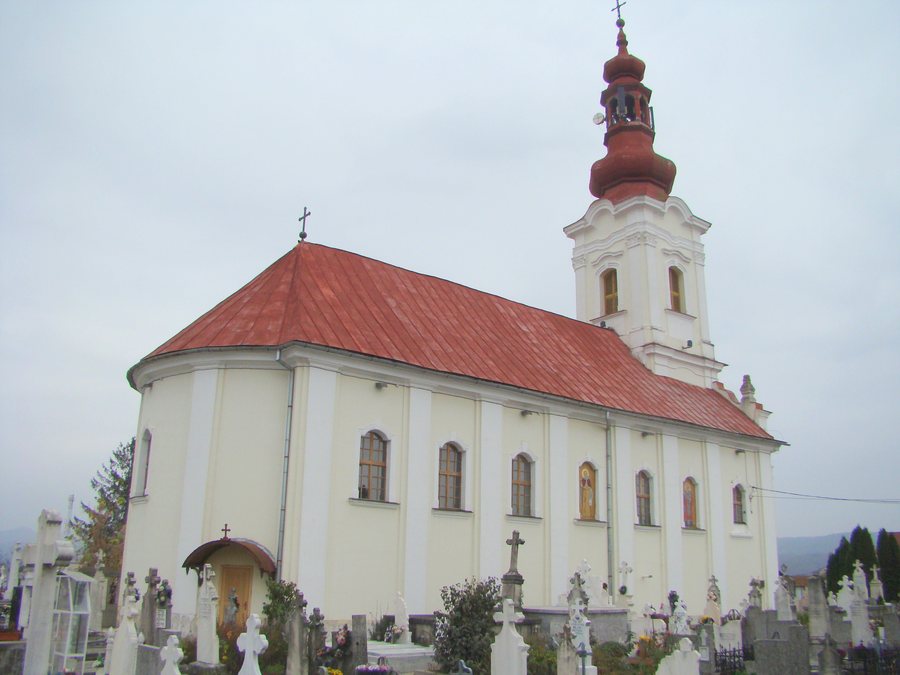 File:RO CS Biserica Sfantul Ioan Botezatorul din Caransebes (44).jpg
Photo: Țetcu Mircea Rareș via Wikimedia Commons, CC BY-SA 4.0
File:RO CS Biserica Sfantul Ioan Botezatorul din Caransebes (44).jpg
Photo: Țetcu Mircea Rareș via Wikimedia Commons, CC BY-SA 4.0
Culture and History
The church “Naşterea Sfântului Ioan Botezătorul” was built in 1780 and is listed as a historic monument. The Capela Eroilor chapel was built in 1931 by architect Enrick Fins from brick and stone in the shape of a cross, with a semi-cylindrical tower. The chapel on Dealul Crucii was built in 1825 and placed under the spiritual patronage of the Holy Trinity.
The cathedral “Învierea Domnului” and “Sf. Proroc Ilie Tesviteanul” of Caransebeș is located in the city centre and was consecrated on 12 September 2010. The County Museum of Ethnography and the Border Regiment of Caransebeș was founded in 1963. A visit by the diocesan bishop is documented at the annual festival of the choir of the Holy Prophet John the Baptist in the church “Nașterea Sfântului Ioan Botezătorul”.
The “Ruinele Bisericii Medievale”, dating from the 13th–14th centuries, are an archaeological heritage site in Municipiul Caransebeș. For your own planning, sacred buildings, museum exhibits, outdoor sculptures and historical representations can be organised as different areas of focus.
Sculptures and Remembrance
In the Andesite Sculpture Park, visitors can stroll and relax while viewing 33 monuments. The 33 monuments in the Andesite Sculpture Park were exhibited during three editions of the International Andesite Symposium between 2013 and 2015.
The Wood Sculpture Park in Parcul Teiuș contains 33 wooden monuments displayed outdoors. The 33 sculptures in the Wood Sculpture Park were exhibited during seven editions of the International Wood Sculptors’ Symposium in Caransebeș between 2003 and 2009.
The statue of General Dragalina was unveiled on 3 June 1943. It is a work by sculptor Mihail Onofrei and depicts the general on a reconnaissance mission, holding a map and binoculars.
Information
The National Centre for Tourist Information and Promotion of Caransebeș provides information about options for booking transport and event tickets.
More local pages: Kohldorf, Franzdorf, Poiana Marului, Zlagna, Novákfalva, Sasca Montană, Buchin, Reşiţa.
Landscape
Vârful Ohabiţei is a peak in the surroundings of Caransebeș. Vârful Măşcăşel is a peak in the surroundings of Caransebeș. Biserica Rugi is a church in the surroundings of Caransebeș. Biserica Ruginosu is a church in the surroundings of Caransebeș. Biserica Ohabiţa is a church in the surroundings of Caransebeș. Biserica Cornuţel is a church in the surroundings of Caransebeș.
Măgura Măgulicia is a mountain in the wider regional surroundings of Caransebeș. Muntele Mic is a mountain in the wider regional surroundings of Caransebeș.
To the main travel overview: Caraş-Severin.

.jpg)