
Valeni – Churches, Springs and Watermelon Tradition
Accommodation in Valeni
On August 6, 2024, the “Sărbătoarea lubeniței” was held in Văleni for the 20th time. The place can be explored through several clear themes: dated history, church buildings, landscape names, regional destinations and watermelon traditions. These themes connect local history with named landscape features and a festival that holds its own place in the local annual calendar.
Culture
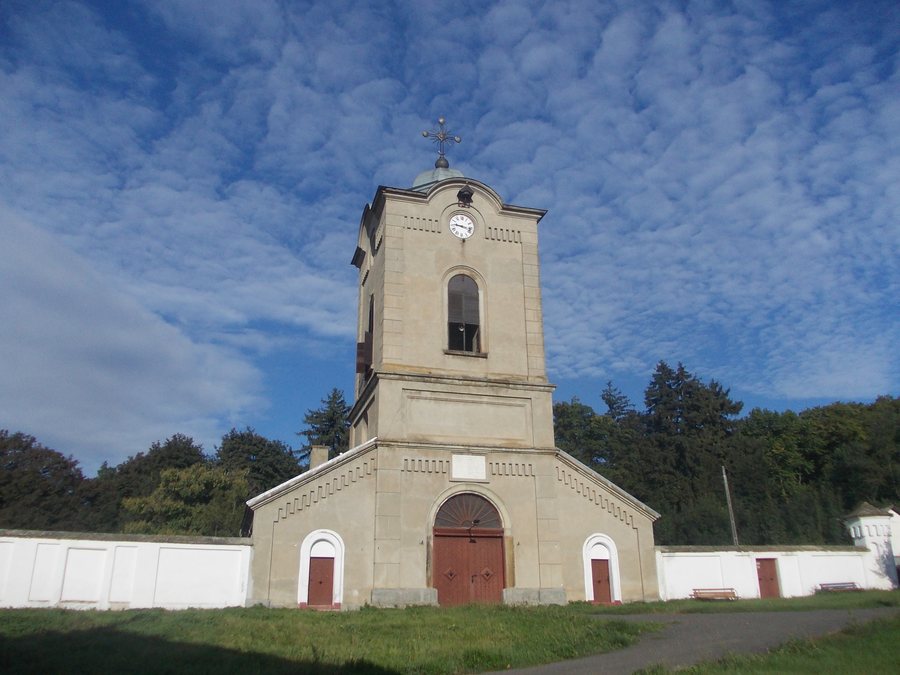
The “Biserica Sfinții Împărați Constantin și Elena” church in Văleni was built between 1904 and 1924 by the boyar Constantin Colibaseanu. Another church, “Biserica Sf. Împăraţi” in Văleni, is a historic monument dating from 1895. Thus, two named churches with different historical periods stand side by side in Văleni, while the first documented mention of the place dates back even further.
The annual Hram feast of the “Biserica Sfinții Împărați Constantin și Elena” church takes place on May 21 and attracts thousands of pilgrims from the surrounding areas and from all over Romania. Văleni was first documented on January 21, 1536. The local calendar therefore includes both a recurring religious date and a very early documented reference to the history of the place.
Landscape
The Văleni commune lies in the west of the Boian Plain, along the upper course of the Vedea River. In the vicinity of Văleni are the “Biserica Fântâneanu Stoicăneşti” church and the “Fântâna Coandei” spring, as well as the “Dealul Coandei” and “Dealul La Stejar” hills. The landscape names refer to different types of features: the church, spring and hills each appear as distinct place references.
In the wider regional surroundings of Văleni are the “Biserica Ortodoxă Bălăleşti” church, the “Biserica Sfinţii Voievozi” church, the “Fântâna Călmăţui” spring and the “Biserica Ortodoxă Vâlcelele de Sus” church. The spatial classification therefore distinguishes between points in the vicinity and destinations in the wider regional surroundings, without combining the two levels into a single local area.
A circular route designated by the county leads from Slatina via Nicolae Titulescu, Văleni, Stoicănești and Drăgănești-Olt back to Slatina. The combination of individual landscape features and a regional route offers you different ways to organize the destinations in and around the place. For your planning, you can compare the destinations according to their spatial relationship: some are in the vicinity of Văleni, while others are in the wider regional surroundings.
Other places: Scornicești, Bălteni, Corabia, Slatina, Caracal.
Local Traditions
Văleni was once known for growing watermelons. The “Târgul de Lubeniţe” symbolizes the beginning of the watermelon harvest and the sale of the fruit at the market. The tradition thus combines an agricultural connection with market activity and the seasonal start of the harvest.
The “Târgul de Lubeniţe” includes competitions for the smallest and largest ripe watermelon. For the 2026 edition of the “Sărbătoarea Lubeniței,” a performance by the “Vedea Văleni” folk dance ensemble was planned. The festival therefore encompasses both the fruit itself and a public competition, as well as a planned cultural program item.
For your stay in Văleni, you can consider travel dates, room category and cancellation policies when choosing a hotel. These details form a separate decision level alongside churches, landscape names and watermelon traditions.
For the broader travel overview: Olt.

