
Cârțișoara: Roads, Mountains and Culture
Accommodation in Cârţişoara
The first 21-kilometre section of the Transfăgărășan begins in the village of Cârțișoara. The landscape around Cârțișoara offers views of the Făgăraș Mountains.
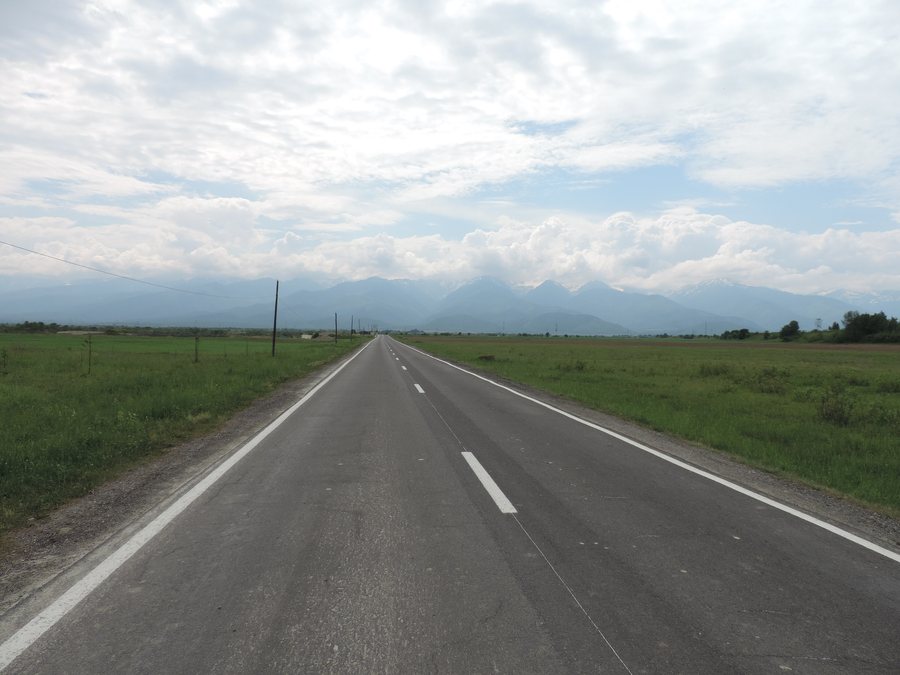 File:Transfăgărășan in Cârțișoara kz01.jpg
Photo: Krzysztof Ziarnek, Kenraiz via Wikimedia Commons, CC BY-SA 4.0
File:Transfăgărășan in Cârțișoara kz01.jpg
Photo: Krzysztof Ziarnek, Kenraiz via Wikimedia Commons, CC BY-SA 4.0
Nature and Trails
The Bâlea complex nature reserve in the vicinity of Cârțișoara was established in 1932 and covers around 180 hectares. In the wider regional surroundings of Cârțișoara, the Bâlea area offers opportunities for mountain hiking, climbing, cycling and paragliding in summer. Several easier mountain hiking trails between Bâlea Cascadă and Bâlea Lac start from Cârțișoara and can be reached via the Transfăgărășan. The Cîrțișoara–Glăjărie–Bâlea Cascadă–Bâlea Lac trail begins at the Muzeul Badea Cârțan, the tourist information centre.
For chronological context, you can consider the different trail durations separately. Shorter and longer outings can therefore be viewed alongside different types of activity. When planning your own trip, duration, trail marking and starting point can be read as separate details without equating the routes with one another.
The summer trail in the Bâlea Valley is marked with a blue stripe and can be completed in two to three hours. The trail from Hotel Bâlea Cascadă to Lake Bâlea via Muchia Buteanului is also marked with a blue stripe and takes around four to five hours in summer. The shared marking makes the trails formally comparable, while the time estimates distinguish their respective scope. For planning your day, you can consider duration and type of activity as separate criteria alongside each other.
Culture and History
The Muzeul Sătesc Badea Cârțan, which opened in 1969, contains objects and books that belonged to the scholar Badea Cârțan. The collection also includes ceramics, reverse-glass paintings, peasant bridal chests and products from the former glassworks in Glăjărie. The museum also houses a valuable collection of reverse-glass icons by the local icon painter Matei Țimforea. For your own assessment, you can consider the museum holdings and churches separately.
The “Buna Vestire” Church in Streza Cârțișoara was built between 1818 and 1821 at the village’s expense, using river stone and bricks. In Oprea Cârțișoara, the “Sf. Nicolae” Church was built in 1806.
When comparing a hotel in Cârțișoara, you can compare travel dates, room category and cancellation conditions side by side on the offer pages. These details make differences between offers visible and can be checked independently of the natural and cultural sites described. You can also treat the trail durations mentioned as a separate criterion for planning your schedule.
Further Destinations
Further destinations at the same level: Pojana, Hohe Rinne, Veştem, Avrig, Städterdorf, Sadu, Dealu Frumos and Tălmaciu.
Geographical Context
The Transfăgărășan was inaugurated on 20 September 1974 after four years of construction under very difficult conditions. Cârțișoara and the nearby junction with DN 1 are considered one of the endpoints of the Transfăgărășan.
For the higher-level travel overview: Hermannstadt.

