
Valeni – Churches, Archaeology and Local History
Accommodation in Valeni
Cultural history offers a clear way to explore Valeni: the wooden church “Adormirea Maicii Domnului” was built in 1811, and other religious buildings date from the 20th and 21st centuries. Archaeological traces reach further back in time. Road connections and the regional link to Lake Solești provide additional context for planning your trip.
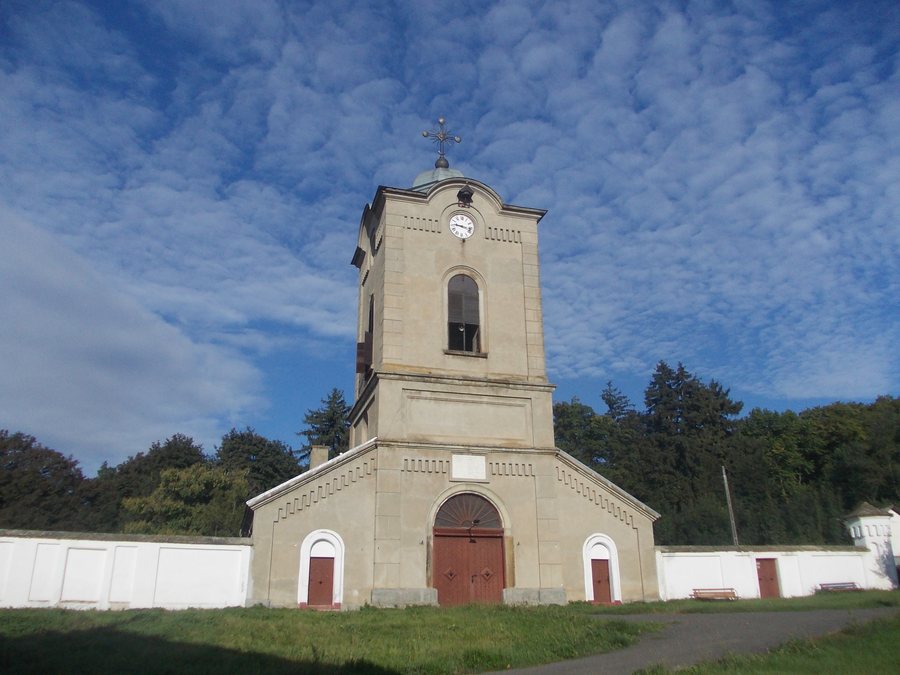
Valeni at a glance
The wooden church “Adormirea Maicii Domnului” is listed as a historic monument. An obelisk commemorating the heroes who fell in the Second World War stands in front of the town hall. Within the commune, Valeni lies on national road DN 24 between Vaslui and Iași; local road DC3A begins in the village at this national road.
Which churches tell the story of Valeni?
The wooden church “Adormirea Maicii Domnului” was built in 1811 from timber beams on a stone foundation. Villagers donated to or founded it with support from Gavriil Macedon, Gheorghe Arsenie and Aga Scarlat Donici, as well as their wives. In 1885, the church was renovated inside and out. A wooden bell tower with two bells, cast in 1882, was built beside it.
The church has an old cemetery. Its stone cross, dating from 1812, is considered the oldest stone cross there. The dates offer different points of reference for the building’s history and fittings: the bells date from 1882, and the renovation took place three years later.
The newer parish church in Valeni was built of brick between 1920 and 1923. After major repairs from 1992 to 1995, it was reconsecrated on 16 August 1995. An Orthodox church belonging to Văleni II parish, dedicated to the Nativity of Saint John the Baptist and Saint Nektarios, was built in 2021. Together, these construction dates show that the village’s religious history is not confined to a single century.
What older traces can be found in Valeni?
Archaeological discoveries point to several periods of settlement. Remains of Neolithic settlements of the Cucuteni culture have been found in Valeni. Other finds include traces of Bronze Age settlements attributed to the Noua culture. There are also remains of a fortified Carpic settlement from the 2nd to 3rd century, with an earth rampart, palisade and ditch.
These traces represent different periods, from Neolithic settlements and the Bronze Age to the Carpic fortification. An obelisk in front of the town hall also commemorates the heroes who fell in the Second World War. The village itself has its own timeline: it was formerly called Valea Rea and has been known as Valeni since 1965. The now-vanished village of Fauri is recorded in the commune in 1427; this account is considered the earliest documentary mention associated with Valeni.
How are the village and surrounding area connected by road?
National road DN 24 crosses the commune from north to south and is paved along its entire stretch within the commune. The commune lies on the route between Vaslui and Iași. In the village, local road DC3A begins at DN 24 and heads west towards DJ 246A; about 2.5 kilometres of this road within the village are paved.
A described access route to Lake Solești also passes through Valeni: it runs from Vaslui via Moara Domnească and Valeni, then on to Solești and Satu Nou. The lake is a 348-hectare reservoir on the Vasluieț River in Solești commune. Carp, crucian carp, pike-perch and perch are caught there. If you are planning to fish at the lake, check the current access conditions before your visit.
Valeni commune lies on two gently sloping hills covered with acacia and fruit trees. This landscape provides a regional backdrop to the village’s specific buildings and historical traces. When choosing a hotel in Valeni, consider whether you would like to focus your trip more on local history or on the route towards Lake Solești.
Which local traditions are known?
The 26th edition of the “Eminescu prin mileniul III” festival and competition was held in Valeni. The festival is regarded as a cultural and educational tradition of the local community and beyond. Its aim is to introduce children to literature, art and the values of cultural identity. The “Jienii” custom is also known in Valeni.
Discover more destinations: Negrești, Vaslui and Balteni.
FAQ
When was the wooden church “Adormirea Maicii Domnului” built?
It was built in 1811 from timber beams on a stone foundation. It was renovated inside and out in 1885.
Which archaeological periods are associated with Valeni?
The finds include Neolithic settlements of the Cucuteni culture, Bronze Age traces of the Noua culture and a Carpic fortification from the 2nd to 3rd century.
What is the access route to Lake Solești?
It runs from Vaslui via Moara Domnească and Valeni, then on to Solești and Satu Nou. The lake is in Solești commune.
Go to the main travel overview: Wassluy.

