
Rodine: Pilgrimage, Museum and Roman Traces
Accommodation in Rodine
Culture
Since the 15th century, the pilgrimage gathering dedicated to St. Anne has taken place every year in Rodine on 26 July. This fixed date provides a clear temporal reference in the history of the village. The Baroque Church of St. Clement, which can be seen today, was built in 1692 and is one of the oldest monuments of sacred architecture in this part of Gorenjska. A religious building probably stood on the church grounds in the second half of the 10th century.
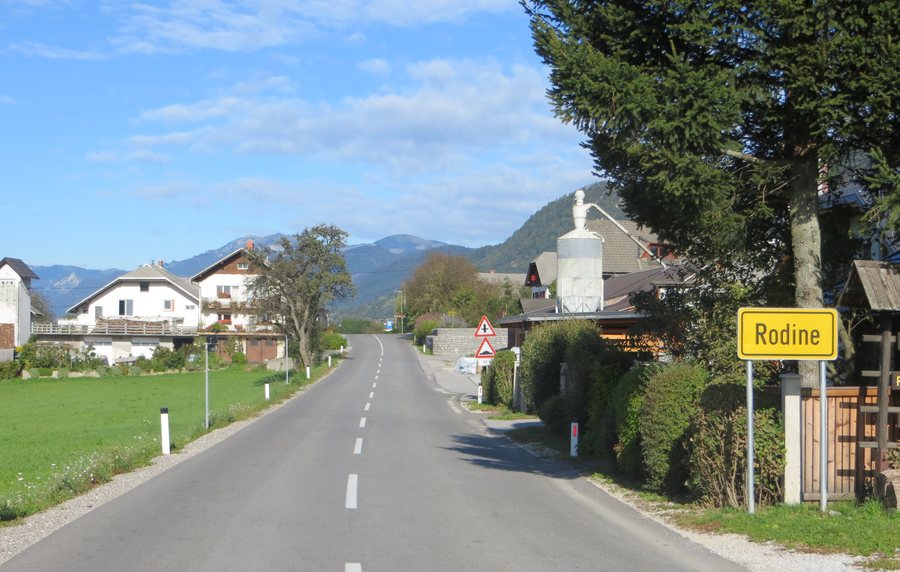
The birthplace of Janez Jalen is one of the oldest buildings in the village of Rodine. It was declared a cultural monument in 1987 and renovated in 1992 to house the museum. The museum in the birthplace presents an exhibition featuring most of Jalen’s literary estate. For visitors interested in culture, architectural history, local history and literature come together at one location.
Culinary Experiences
Every year, the museum organizes the Honey Thread tasting event with various types of honey from local beekeepers. A demonstration is also regularly offered as a living museum experience, during which bread is baked in the open hearth. The two formats focus on different aspects: one centers on tasting various types of honey, while the other showcases the traditional preparation of bread over an open fire.
History
The Villa rustica at Ključe in the village of Rodine is a characteristic archaeological site from the Roman period of the 2nd century. The rural Roman villa was surrounded by walls, and its ground plan can still be recognized in the terrain. It lies on the edge of a terrace above the Sava, elevated above a floodplain that was probably once a marshland or a lake. The archaeological information thus connects the remains of the building, the terrain structure and the site’s former landscape.
For further comparisons with other places, you can also visit Zgornja Radovna, Jesenice, Rateče, Podkoren, Breznica, Kranjska Gora, Hrušica and Mojstrana.
Getting Around
A pleasant cycling tour through the lowlands runs from Žirovnica via Moste, Breg, Vrba, Velike njive, Begunje na Gorenjskem, Poljče, Rodine, Smokuč, Doslovče, Breznica, Zabreznica and Selo pri Žirovnici, returning to Žirovnica. The sequence of places named describes a complete circuit and represents a separate option alongside the cultural and historical sites. When comparing different daily or thematic focuses, a single annual date, recurring museum formats, archaeological traces in the terrain and a cycling route with several stops in different places stand side by side. For arriving by different types of vehicles, larger parking areas for buses and cars are available in Rodine.
The cultural and historical points of interest differ significantly in their historical periods and their form: the pilgrimage gathering is tied to a recurring annual date, while the museum combines several thematic approaches involving literature, honey and bread. The Villa rustica complements the museum’s present-day offering and the village’s ecclesiastical connection with visible traces from the 2nd century. Finally, the cycling tour passes through Rodine and the other places mentioned, creating its own geographical focus.
To the higher-level travel overview: Jesenice.

