
Ferghana Province – Ceramics, Silk and Landscapes
Accommodation in Ferghana Province
Ferghana Province offers a range of options for planning your trip: crafts in Rishton, silk and literature in Margilan, architectural history in Kokand and foothill landscapes.
Quick facts about Ferghana Province
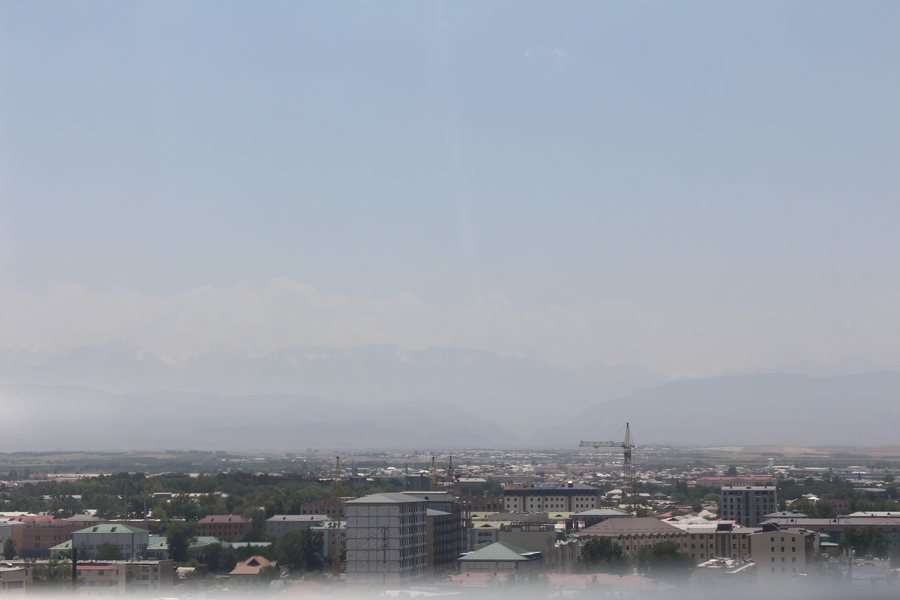
- The Fergana region lies in the south of the Fergana Valley, between the Pamir-Alai and Tian Shan mountain systems.
- Rishton is known as a city of masters and as one of Central Asia’s largest centers for unique glazed ceramics.
- The international silk festival “Atlas Bayrami” is held annually in Margilan.
- The Jameh Mosque in Kokand dates from 1819 to 1822.
What landscapes characterize the region?
In Shakhimardan, the mountain rivers Ak-Su and Kok-Su form a striking boundary: they flow together there to form the Shakhimardan-Sai River. The Vuadil Valley offers a different landscape, with foothills, fertile orchards and clear air. The region’s foothills are also home to the Chimghan health resort area, known for its natural healing springs. Rivers, orchards and springs thus offer distinct themes for exploring the region.
If you want to include nature in your trip planning, you can choose among these places based on the landscape that interests you most. Each description has its own focus: Shakhimardan on the confluence of two rivers, Vuadil on foothills and orchards, and Chimghan on natural springs.
Where are ceramics, silk and crafts at the heart of the experience?
Rishton is known for its glazed ceramics. The craft center in Rishton District follows the traditional master-apprentice system. The center’s composition may change over time; the system itself describes how crafts are passed down from master to apprentice. The region’s official travel program also includes a visit to the International Ceramics Center in Rishton. Times and locations may change, so check these details again when planning this stop.
In Margilan, the craft center offers a look at a range of activities, including weaving workshops, an exhibition of finished products, a podium and a studio. Visitors can watch sewing and the application of colors to fabrics. The annual silk festival “Atlas Bayrami” is another link to the city’s silk heritage. If you would like to include it in your plans, check the event dates before traveling.
The areas of craft specialization are distinct: Rishton is known for glazed ceramics and the master-apprentice system, while textile work and the silk festival are at the heart of Margilan. The Erkin Vohidov Memorial Museum in Margilan features exhibits on the life and work of the poet and writer Erkin Vohidov, adding literary history to the city’s story.
Which historical and archaeological sites offer distinct highlights?
Kokand offers two distinct historical points of interest. The Palace of Khudoyar Khan was built in 1871 as the seventh khan’s palace. The Jameh Mosque dates from 1819 to 1822 and has a porch surrounded by 98 wooden columns, as well as a minaret. The dates place the mosque before the palace; its columned porch and minaret also give it a distinct architectural character.
The Pir-Siddiq Complex in Margilan also brings together several types of buildings: it includes a mausoleum, a mosque, a minaret and several dovecotes. In Kuva, the focus is on the ancient settlement of Kubo. Extensive excavations led to its discovery; its noted features include monuments, residential quarters and valuable finds. Archaeology thus adds another area of interest to the cities’ architectural and cultural history.
How can you choose a focus for your trip?
To get started, you can begin with your interests: ceramics point to Rishton, architectural history to Kokand, and textile work or literary history to Margilan. For nature, you can compare the distinct descriptions of Shakhimardan, Vuadil and Chimghan. This thematic selection can also be a first step before comparing hotels, without committing to a specific location or route.
A tourist route description dated September 15, 2025, mentions agritourism on raspberry plantations in the village of Vodil. Organized route packages may change, so check which options are currently available before planning. Another distinctive architectural and engineering feature is the double windmill on the Dilkusho farmstead in the Fergana region: it is a hydraulic engineering monument that has preserved its ancient style.
Explore more destinations in the region: Kokand, Fergana.
Explore more destinations: Tashkent, Navoiy Province, Jizzax Province, Navoiy Province, Bukhara and Khorezm.
FAQ
What makes Kokander plov different?
Kokander plov is made exclusively with Devzira rice, garlic and hot pepper. No sweet ingredients are added.
What is known about the ancient settlement of Kubo?
Extensive excavations in Kuva uncovered the settlement of Kubo, with numerous monuments, residential quarters and valuable finds. Buddhist figures and statues of Buddha have also been found at the site of the ancient settlement.
What is planned for the “Fergana” tourist recreation zone?
The zone being developed in Fergana District is being built in stages. It is intended to combine opportunities for mountain, wellness, agricultural and recreational tourism. This describes a planned offering, not fully completed infrastructure.
For the broader travel overview: Uzbekistan.

