
Latvia: Riga, coast and nature
Accommodation in Latvia
Latvia brings together Riga’s Old Town and Art Nouveau architecture with the Baltic coast, the Gauja Valley and the lake-dotted region of Latgale. Rail lines from Riga serve Jūrmala, Saulkrasti and Sigulda; Kurzeme in the west and the country’s east are worth exploring on separate legs, allowing more time for the coast, nature and regional towns.
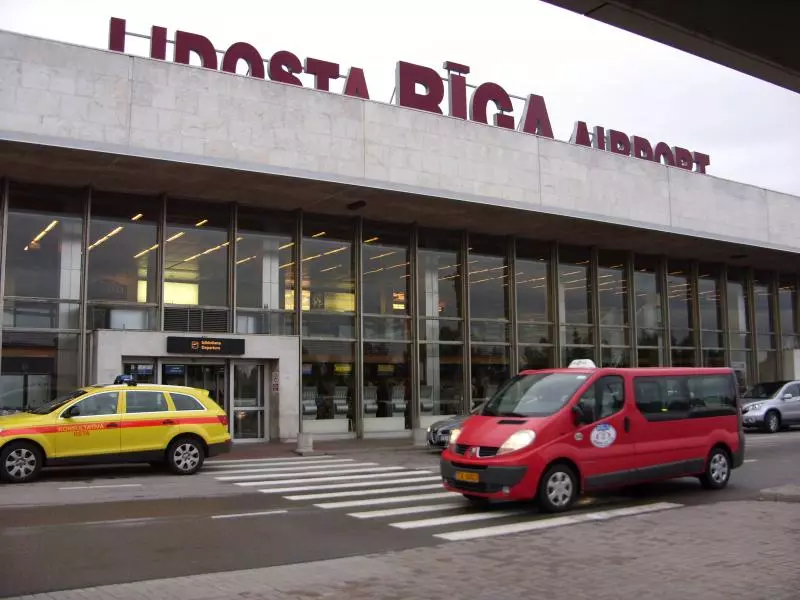 Der Flughafen von Riga in Lettland
Photo: Alesia Belaya
Latvia at a glance
- City: Riga brings together the Old Town, Art Nouveau architecture and museums.
- Coast near Riga: Jūrmala is accessible by train; Majori and Dzintari are on the rail line.
- Nature and history: Sigulda and Cēsis open up the Gauja Valley, with castles, sandstone formations and hiking trails.
- West: Kurzeme combines coastal towns, Kuldīga and Ventspils; journeys between destinations take longer than a day trip from Riga.
- East: Latgale is known for its lakes; Daugavpils and Aglona make useful regional bases.
- Transport: Rail lines from Riga serve, among other places, Jūrmala, Saulkrasti, Sigulda, Valmiera, Daugavpils and Rēzekne; long-distance and regional buses complement the network.
Riga: architecture, markets and city life
For a first trip to Latvia, Riga offers the greatest concentration of destinations that are easy to combine. In the Old Town, Town Hall Square, the cathedral and narrow streets are close together; across the canal, parks give way to the New Town, with its many Art Nouveau façades. A day in the city can therefore be planned by neighborhood rather than around individual sights scattered far apart: explore the Old Town and the Daugava riverfront in the morning, then the streets of the New Town, and finish with dinner or a cultural event in the center.
The Central Market adds a different perspective on everyday life to the historic center. Its market halls are near the main railway and bus stations, making it easy to combine a visit with arrival or onward travel. Riga is also a good base if you prefer to stay in one place and take day trips by train. With more time, spread your stay over two or three days, leaving a separate slot for museums, neighborhoods beyond the Old Town and walks along the river.
The Old Town, Art Nouveau district and Central Market give Riga a variety of cityscapes that work well across several walks; some of the main sights in Riga are close together. A north–south journey between Tallinn, Riga and Vilnius passes through Estonia and Lithuania. For comparing routes between capitals, coasts and border regions, the Baltic States offer several distinct legs. If you want to visit all three countries on one trip, you can plan a route through the Baltic States, from Tallinn via Riga to Vilnius.
Jūrmala: beach and seaside resort west of Riga
Jūrmala is the obvious addition to Riga if you want to spend time by the sea. The city lies west of the capital on the Gulf of Riga and stretches along the coast. Trains from Riga stop at several stations in Jūrmala; Majori and Dzintari are popular places to get off. The journey takes around half an hour. From each station, paths lead through wooded residential areas to stretches of beach and Jomas iela, the main street lined with cafés and shops.
For a day trip, your choice of station matters: Majori is close to Jomas iela, making it a good starting point for a walk through the center followed by a visit to the beach. Dzintari provides access to the concert park and the forest park with its observation tower. You can fill a full day on the coast with a stretch of the long sandy beach and a break in town. As a general recommendation, half a day works for a quick impression, while a full day allows time for the beach, park and town center; a stay of several days makes sense if you do not want to return to Riga every day.
If you want to combine time swimming with nature, you could swap a second day on the coast for a trip to the Gauja Valley. Jūrmala lies west of Riga on the gulf, while Sigulda is northeast of the capital in the river valley; each trip merits a day of its own.
Vidzeme and the Gauja: castles, sandstone and hiking trails
The Gauja Valley in Vidzeme is the best choice for combining nature with cultural history. Gauja National Park includes sandstone cliffs, caves, river landscapes and historic sites. Sigulda is an accessible base for viewpoints and castles; Cēsis combines a historic Old Town with a medieval castle complex. You can visit both towns one after the other on a longer trip, but each also makes a good day trip from Riga.
The train from Riga to Sigulda takes about an hour and ten minutes; services continue toward Cēsis and Valmiera. A good route for a day in Sigulda takes in the castle, the banks of the Gauja and a viewpoint. Cēsis is a better choice if you want to focus on the Old Town, castle and a more leisurely walk. For a hike, the specific route determines how much time you need and where you finish: valley trails, elevation changes and distances between sights may require an extra transfer. An overnight stay in the region gives you time to explore several parts of the national park without having to plan around the last train back to Riga.
For another nature stop on the coast, Saulkrasti offers a different landscape from the Gauja Valley. The marked forest trail between the White Dune and the Sun Bridge is 3.6 kilometers long. Saulkrasti is therefore a good option for a shorter seaside walk, while Sigulda and Cēsis offer longer hiking and cultural itineraries. Rail services along the northern coast run from Riga via Saulkrasti to Skulte.
Kurzeme and Ventspils: Latvia’s western coast
Kurzeme is well suited to a separate leg of your trip if coastal scenery and smaller towns matter more than a quick return to Riga. The region includes Baltic coastal trails, the cliffs at Jūrkalne, nature areas and Kuldīga, with its broad Venta Rapid. These destinations are not all close to one another. A rental car makes it easier to visit several places; by public transport, it makes sense to choose fewer stops and stay overnight in the region.
Ventspils offers a port, a beach and a compact city center as a base on the western coast. A day’s itinerary can combine the historic center, harbor area and beach; allow extra travel time for longer excursions to natural attractions outside the center. In Ventspils, the historic center, harbor area and beach come together in a distinct western Latvian coastal stop. Compared with the Gulf of Riga, Ventspils is a destination for a dedicated coastal stay, not a quick detour from the capital.
A coastal route can link Ventspils with Kuldīga or selected stretches of the west coast. Jūrkalne is known for its cliffs and is a landscape destination focused on views and walks; access to the water differs from the wide sandy beaches near Jūrmala. If you plan to visit several places, choose a base in the region and account for travel times between stops. A round trip from Riga in a single day would leave very little time at the destinations.
Latgale and Zemgale: lakes and culture inland
Eastern Latgale is a good choice for a quieter, longer trip through Latvia and for landscapes dotted with lakes. Daugavpils is the region’s largest city and a practical base for exploring local history and the fortress. Aglona is an important pilgrimage site; Daugavas Loki reveals a winding river landscape, while Ludza and Līvāni are other useful stops on longer routes. The distances between these places make it worth choosing a few destinations and allowing several days for the east.
Rail lines from Riga serve, among other places, Daugavpils and Rēzekne. If traveling by public transport, choose your main destination as a base and plan excursions around the available connections. A rental car can make it easier to link rural destinations, but you should still plan realistic travel legs. The lake scenery is ideal for walks and time by the water. One option is to spend two or three nights in Daugavpils or Rēzekne and combine them with selected lake and cultural attractions.
Zemgale, south of Riga, offers a different kind of excursion: the region is known for Rundāle Palace. Getting there by public transport can take time because it may involve changing buses in Bauska. If the palace is your main destination, plan it as a day trip of its own rather than combining it with several far-flung stops. This makes Zemgale different from the rail-focused Riga–Sigulda corridor and a coastal leg in the west.
Bases, accommodation and how long to stay
A simple three- to four-day itinerary can focus on Riga and one excursion: either Jūrmala for the beach and seaside resort, or Sigulda for the Gauja Valley and its castles. With five to seven days, you can combine Riga, a coastal stop and an overnight stay in Vidzeme. A trip of around ten days leaves room for Kurzeme or Latgale, if you are prepared to include the longer distances and extra accommodation changes in your plans. These timeframes are editorial guidance, not fixed requirements.
In Riga, a central location is convenient if you want to reach the Old Town, New Town and railway station on foot or with short rides. In Jūrmala, the best location depends on your plans: staying near Majori makes it easier to reach restaurants and the beach, while Dzintari puts the park and forest trails within easy reach. In Sigulda and Cēsis, consider whether the station, Old Town or hiking trailhead will shape your day. Accommodation in smaller coastal and lakeside towns works especially well if you plan to stay for several nights; for a single night, being close to your next transport connection is useful.
The general accommodation guide to Eastern Europe offers tips on location, type of accommodation and amenities. In Latvia, it is worth matching your overnight stays to the route: a city break in Riga, beach days in Jūrmala, hikes in the Gauja Valley or longer journeys through Kurzeme and Latgale. If you are traveling without a rental car, staying near a railway station or bus connection saves time; for rural destinations, convenient access to your starting point is key.
Transport and travel times by region
Riga is the central hub of the rail network. Services to Jūrmala, Saulkrasti, Sigulda and onward to Valmiera connect several destinations suited to day trips or short stays. Daugavpils and Rēzekne are on longer routes to the east. Buses complement the rail network between cities and in areas without a direct rail connection. For a specific trip, the travel date and current service updates are what matter; the railway operator’s basic timetables are valid from October 2026 and are supplemented by current timetable notices.
The time of year mainly changes the character of a coastal or nature stay. In summer, beaches, parks and longer walks are natural priorities; with shorter daylight hours, the order of your outings becomes more important. In the Gauja Valley, consider the weather and trail conditions; on the coast, wind and swimming conditions. Cities such as Riga and Cēsis offer enough indoor attractions for a day of culture and architecture, even when the weather is changeable.
On a round trip, avoid planning a full day of sightseeing on the day you arrive or depart if your itinerary involves transfers or longer overland journeys. A break between Riga and the more distant regions makes the trip more comfortable and gives you time for an overnight stay. Estonia and Lithuania can be added as separate legs; their cities and routes each deserve time of their own rather than a brief drive-through. You could start in Estonia, spend several days in Riga in the middle of your trip, then continue on to Lithuania.
Frequently asked questions about Latvia
Which historic sites can you add to a trip to the Gauja Valley?
The medieval Turaida Castle and Āraiši Archaeological Museum showcase different chapters of regional history: Turaida is part of the castle landscape along the Gauja, while Āraiši features a reconstructed settlement on the lake. Both add tangible historic sites to hikes and viewpoints.
Which region is best for a first visit?
Riga and a trip to Jūrmala offer both a city break and the Baltic coast, with a short rail journey between them. If castles and hiking trails are more your thing, choose Sigulda or Cēsis in the Gauja Valley. With five days or more, you can combine both.
What is the difference between Jūrmala and Ventspils?
Jūrmala lies near Riga on the Gulf of Riga and makes a good beach or seaside resort day trip by train. Ventspils is farther west on the Baltic coast and is better suited to a dedicated trip through Kurzeme, combining the harbor, city and coast.
Can you visit Sigulda and Cēsis in one day?
Both towns are on the rail route into the Gauja region, but visiting both in one day leaves little time for castles, the Old Town and hiking trails. An overnight stay in Vidzeme is more relaxed if you want to explore both; for a day trip, focus on one town.
What makes Saulkrasti special?
The 3.6-kilometer forest trail between the White Dune and the Sun Bridge connects coastal scenery and woodland. Saulkrasti is a good choice for a walk on the northern coast, while the Gauja Valley is defined more by its river, sandstone and castles.
How much time do you need for a trip to Latvia?
Three to four days are enough for Riga and one regional excursion. Five to seven days allow time for an overnight stay on the coast or in a natural area. Allow more time for Kurzeme or Latgale, as both involve longer journeys and greater distances between destinations.
Which route combines a city, coast and nature?
A well-balanced week could combine Riga, Jūrmala and an overnight stay in Sigulda or Cēsis. This gives you separate days for the capital, the beach and the Gauja landscape. Ventspils or Latgale are better suited to a longer trip with an additional regional leg.
