
The Baltics: Estonia, Latvia and Lithuania
The Baltic region comprises Estonia, Latvia and Lithuania, bringing together the Baltic Sea coast, historic cities, forests, islands and expansive landscapes. When planning a trip to the Baltics, the key considerations are scenery, distances and suitable stages. The focus is on the character of each city, the landscape, getting around locally and what kind of trip each place is best suited to. If you are planning a route, always check current connections, seasonal opening hours and local guidance shortly before travelling.
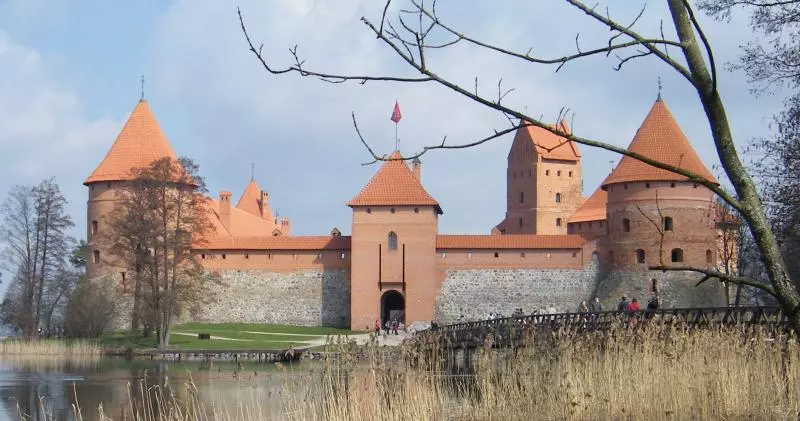 Die Ostsee, eine unverbrauchte Natur, aber auch Kulturgüter wie Burgen und Schlösser, bestimmen die Landschaft im Baltikum.
Photo: Daddy
Die Ostsee, eine unverbrauchte Natur, aber auch Kulturgüter wie Burgen und Schlösser, bestimmen die Landschaft im Baltikum.
Photo: Daddy
Quick facts: The Baltics
- Despite the short distances, Estonia, Latvia and Lithuania have distinct cityscapes, languages and landscapes.
- Tallinn, Riga and Vilnius each work well as a city break in their own right.
- The Baltic coast, islands, resort towns and national parks require different amounts of time depending on the season.
- Check bus, rail and ferry connections for your specific travel dates.
- An itinerary with fewer accommodation changes leaves more time for city walks and breaks.
- Check border, entry and weather information before setting off.
Character and location
The three countries look compact on a map, but differ considerably in language, history, cityscape and the feel of travelling there. Tallinn, Riga and Vilnius each have their own distinctive character. This matters to visitors because it affects how much time to allow for getting there, exploring on foot, taking day trips and enjoying breaks. Many impressions come not just from individual sights, but along the way: in squares, by the water, in old-town lanes, at viewpoints or on short walks between the railway station, bus station, harbour and city centre.
A trip through the Baltics is all about switching between capital cities, coastal towns, national parks and smaller cities. This mix is what makes the region appealing for touring holidays. The Baltics are therefore a good choice for travellers who want more than to simply tick off a list of sights. A relaxed daily schedule is best, with time to get your bearings, take photos, stop for coffee or a meal, and take a second look at neighbourhoods away from the main routes.
What to keep in mind while travelling
Distances are easy to plan, but it is still worth keeping border crossings, timetables, rental-car rules and seasonal differences in mind. In many cities and regions along this route, tourist areas, residential neighbourhoods, major roads and quieter corners quickly give way to one another. If you are getting around on foot, don’t judge distances on the map by metres alone; also consider hills, heat, road crossings, public transport schedules and the return journey.
When planning your trip, it is worth considering accommodation location and the pace of each day together. Central accommodation saves time on getting around, while places further out are often quieter or offer better parking. At seaside resorts, consider how close you are to the beach, shade, access to the water and evening traffic; in capitals and cultural destinations, museums, historic districts and public transport matter more. In the Baltics, choose your accommodation with the main daily routes and realistic breaks in mind.
Excursions and combinations
Classic routes link Tallinn, Riga and Vilnius, but can be made more leisurely by adding Saaremaa, Pärnu, Tartu, Kaunas or the Curonian Spit. If you are visiting more than one place, avoid packing too many stops into a single day. In southeastern Europe and the Baltics in particular, short distances on a map can seem easier than they turn out to be when you factor in border crossings, coastal roads, city traffic or gaps in public transport schedules. It is better to combine a few destinations thoughtfully and leave plenty of time for the return journey.
For inspiration from the existing travel guide, consider Estonia, Latvia, Lithuania, Riga and Vilnius. The Baltics can be combined with neighbouring regions, capital cities, the coast, lakes or historic landscapes as part of a longer trip.
Who this destination is right for
The Baltics are a good fit for travellers seeking culture, nature and well-organised touring holidays without wanting to drive very long distances every day. If you need precise visiting hours, admission prices, timetables or border rules, check them before departure with official bodies or up-to-date local sources. The right choice depends on the kind of trip you want, suitable nearby destinations and allowing enough time for a relaxed visit.
In winter, days are short and the weather changeable; in summer, coastal towns and old towns are much livelier. A visit is especially enjoyable when the itinerary isn’t too tightly packed. Half a day may be enough for a first impression, but a full day or an overnight stay often gives you a much better understanding of the place. This leaves time to explore in the morning or evening, when the light, traffic and temperatures are more pleasant.
The Baltics as part of your itinerary
The Baltics can be the starting point, a stop along the way or a quieter contrast to better-known destinations. The key is to decide what role the place will play: culture and city life, water and landscapes, borderlands and history, or relaxation and short distances. Knowing this makes it easier to plan realistically and avoid overpacked days.
For a longer route, combine major anchor destinations with smaller stops. This creates breathing space between capitals, coastal towns, natural areas and historic sites. The Baltics can help make the trip more varied, rather than simply hopping from one well-known name to the next.
The Baltics between the Baltic Sea and the capitals
The Baltics work well as a connected region, but Estonia, Latvia and Lithuania remain very different from one another. Tallinn, Riga and Vilnius, the Baltic coast, national parks, resort towns and islands offer many ways to combine short and medium-length stages on a touring holiday.
For further planning, Estonia, Latvia and Lithuania can be combined naturally. Before travelling, check current ferry, rail and bus connections, rental-car rules and seasonal opening hours.
When choosing a route, also consider your time budget, distances, opportunities for breaks, accessible accommodation, current traffic conditions and enough contingency time for changes on the day of travel. This helps keep each stage practical and responsible.
Comparing Estonia, Latvia and Lithuania
The three countries can be visited together as one Baltic Sea region, but each remains a distinct destination. Estonia is a good fit for Tallinn, islands and northern coastal scenery. Latvia brings together Riga, the Daugava and seaside or spa resorts. Lithuania adds Vilnius, Kaunas, the Curonian Spit and other stretches of coast to the route. This way, you can make your choice based on scenery and the kind of stay you want, not just country names.
For a short stay, start by choosing one city as your base. A longer touring holiday can then take in a coastal town, a natural area or an island. Tallinn, Riga and Vilnius do not automatically call for stays of equal length: the size of the city, its museums, distances and the next connection all affect how much time you will need. If you combine Tallinn with Neringa or Sigulda, plan separate days for the city and the countryside.
Before booking, check current bus, rail and ferry connections, border requirements and seasonal access. The official travel portals Visit Estonia, Latvia Travel and Lithuania Travel can help with practical preparations.
Baltics FAQ
Which countries make up the Baltics?
The Baltics comprise Estonia, Latvia and Lithuania. They share a location on the Baltic Sea but differ in language, history, landscape and how best to travel around them.
How much time should you allow?
A few days are often enough for a single capital. Combining countries requires extra time for transfers, changes of accommodation and breaks.
Can you visit all three capitals on one trip?
It makes sense to link them, but check the current bus, rail and ferry services and make sure the route suits your preferred pace of travel.
When are the coast and islands most suitable to visit?
It depends on the weather, ferry services, daylight hours and the kind of itinerary you want. Check seasonal information directly before travelling.
