
Lithuania: Vilnius, Kaunas, the Curonian Spit, and the Baltic Coast
Accommodation in Lithuania
Lithuania is the southernmost country in the Baltic states, combining Baroque old towns, lake landscapes, spa resorts, the Baltic coast, and places rich in history. When planning a trip to Lithuania, the main considerations are scenery, distances, and suitable stages. The focus is on townscapes, landscapes, local routes, and what kind of trip each place is best suited to. If you are planning an itinerary, be sure to check current connections, seasonal opening hours, and local guidance shortly before setting out.
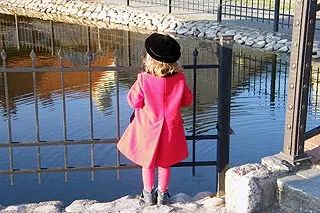 Litauen als eines der drei baltischen Staaten steht an der Schwelle, eine große touristische Destination zu werden.
Photo: Andrey
Character and location
Vilnius and Kaunas offer urban highlights, while Trakai, Druskininkai, and the coast add water, forests, and opportunities to relax. This geography matters to visitors because it determines how much time to allow for travel, walks, excursions, and breaks. Many impressions come not only from individual sights but also from the journey itself: from squares, waterfronts, old-town lanes, viewpoints, or short trips between the railway station, bus station, harbor, and city center.
Lithuania often feels less Nordic than Estonia and Latvia, and offers many connections toward Poland, Belarus, and Central Europe. This location shapes its culture, history, and route planning. As a result, Lithuania is a good choice for travelers who want more than simply ticking off a list of sights. A relaxed daily schedule makes sense, with time to get your bearings, take photos, enjoy coffee or meal breaks, and take a second look at neighborhoods away from the main routes.
What to keep in mind when visiting
When visiting Lithuania, it is worth exploring places beyond Vilnius. Kaunas, Trakai, or a spa resort can make the trip more varied and spread out the travel. In many towns and regions along this route, tourist areas, residential neighborhoods, major roads, and quieter corners can change quickly. If you are getting around on foot, do not judge distances on a map by meters alone; also consider hills, heat, road crossings, transit schedules, and the return journey.
For trip planning, it is worth considering the location of your accommodation alongside your daily schedule. Centrally located accommodation saves time getting around, while places on the outskirts are often quieter or offer better parking. At seaside resorts, proximity to the beach, shade, access to the water, and evening traffic matter; in capitals and cultural destinations, museums, old-town areas, and public transport are more important. In Lithuania, the location of your accommodation should be weighed against your main daily routes and realistic breaks.
Excursions and combinations
Lithuania can be combined with Latvia and Estonia, or planned as a trip in its own right, taking in Vilnius, Kaunas, Trakai, and the coast. If you are visiting more than one place, avoid packing too many stops into a single day. In southeastern Europe and the Baltic states in particular, short distances on the map can seem easier than they are in practice, given border crossings, coastal roads, city traffic, or gaps in transit schedules. It is better to combine a few destinations thoughtfully and leave enough time in hand for the return journey.
As a guide to the destinations covered in this travel guide, consider Vilnius, Kaunas, Trakai, Druskininkai, and the Baltic states. Lithuania can be linked into an itinerary with neighboring regions, capitals, the coast, lakes, or historic landscapes.
Who this destination is suited to
The country is a good fit for travelers looking for old towns, history, lakes, spa traditions, and an easy-to-plan round trip. If you need precise visiting times, admission prices, timetables, or border rules, check them before departure with official authorities or up-to-date local sources. The right choice depends on the kind of trip you want, suitable nearby destinations, and allowing enough time for a relaxed visit.
For the coast, the Curonian Spit, and smaller towns, check current seasonal schedules, ferry services, accommodation, and protected-area rules. Your stay will be especially enjoyable if you do not pack the itinerary too tightly. Half a day may be enough for a first impression, but a full day or an overnight stay often gives you a much better sense of the place. This leaves time for walks in the morning or evening, when the light, traffic, and temperatures are more pleasant.
Lithuania as part of your itinerary
Lithuania can be a starting point, a stop along the way, or a peaceful contrast to better-known destinations. The key is to decide what role the place will play: culture and city life, water and scenery, borderlands and history, or relaxation and short distances. Knowing this makes it easier to plan realistically and avoid overloading your days.
For a longer route, it is a good idea to mix major anchor destinations with smaller stops. This creates breathing space between capitals, coastal towns, natural areas, and historic sites. Lithuania can help make a trip more varied, rather than simply hopping from one familiar name to the next.
Lithuania between Vilnius and the Baltic Sea
Lithuania brings together the Baroque-influenced capital, Vilnius, Kaunas, the Curonian Spit, Baltic seaside resorts, and historic places inland. The country is a good choice for visitors who want to combine city stays, time on the coast, and natural landscapes without packing the schedule too tightly.
Lithuania can be combined with the Baltic states, Latvia, and Estonia. Before traveling, check current transport connections, seasonal schedules for the Curonian Spit, accommodation, and local conservation rules.
Planning stages in Lithuania
Vilnius, Kaunas, and the spa resorts on the coast each suit a different kind of trip. If you are looking for culture and short distances, you can use Vilnius as a fixed base. Kaunas and the coast are worth planning as separate stages, since travel times, daylight, and opening hours do not necessarily line up for a day trip. An itinerary with fewer bases leaves more time for old towns, water, and landscapes.
Before setting off, check your connection, accommodation address, return journey, and the latest guidance from official sources. For nature destinations, also take the weather, trail conditions, and seasonal access into account. Information about Estonia, Latvia, the Caucasus, and Eastern Europe can help put the region in context.
For a more relaxed trip, avoid scheduling visits too close together. An extra morning may be more worthwhile than adding another destination. If you are traveling by train, bus, or rental car, check transfers and leave enough buffer time shortly before your trip. This information is intended as a guide and does not replace up-to-date advice.
Other factors to consider include your available time, distances, opportunities for breaks, convenient accommodation, current traffic conditions, and enough flexibility for changes on the day of travel, so that the stage remains practical and responsible.
