
Nesvizh, Belarus: Castle, Park, and Radziwill History
Nesvizh is one of Belarus’s most important historical destinations. The castle, parkland, churches, squares, and the history of the Radziwill family are set within an area that cannot be taken in within just a few minutes. Its appeal comes from the interplay of architecture, water, paths, and the town’s history. For a rewarding visit, plan the castle, park, and town center as connected but differently timed stops.
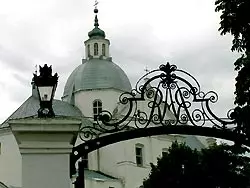 Nesvizh
Photo: Ilya Kalachev
Nesvizh
Photo: Ilya Kalachev
Quick facts: Nesvizh
- Nesvizh Castle and its park are the town’s most important cultural landmarks.
- The estate is closely tied to the history of the Radziwill family and the political history of the region.
- The castle and park complex has been a UNESCO World Heritage Site since 2005.
- The old town, churches, town hall, and historic routes round out a visit beyond the castle grounds.
- Allow different amounts of time for the castle, park, and town, including breaks and the return journey.
- Check opening hours, access, events, weather, and specific transport connections again before your visit.
The local information site Nesvizh.by may be useful for regional information. The ensemble’s international significance is outlined in the UNESCO information on the Nesvizh Castle and Park Complex. Historical background on Nesvizh can also help you prepare.
Explore the castle and park
The castle is the focal point of a visit. Its façades, interiors, courtyards, and waterside setting each tell a different part of the building’s and family’s history. If you come only for a quick photo stop, it is harder to appreciate how the estate fits together. A leisurely visit, with time for details and walking between areas, is more rewarding, especially when several buildings or exhibitions are open.
The park adds a landscape perspective to the castle. Paths, groups of trees, water, and sightlines change with the season and the weather. In summer, sunshine and crowds can make longer walks more tiring. In spring and autumn, some sections may be wet. In winter, snow, ice, and short days affect how much time it makes sense to spend outdoors.
A visit to the castle and park does not automatically need to be combined with every other nearby destination on the same day. For families, older travelers, and people with limited mobility, distances, surfaces, places to sit, and opportunities to take breaks are important factors. One main attraction, an additional walk through town, and a block of free time often make for a better day plan.
The Radziwill family and the townscape
Nesvizh is closely associated with the European noble family of the Radziwills. Their history can be seen in the castle complex, churches, and townscape. A visit gains depth when you look at the architecture as a whole: the castle’s setting, routes into town, and religious buildings show how power, faith, and everyday life were intertwined over the centuries.
The town center also deserves time. The town hall, historic streets, and churches are not all right by the castle entrance. A walk through town helps you understand the estate as part of a place that developed over time. For interiors, check opening hours and any visitor rules with the relevant operator. Follow local guidance on photography, clothing, and conduct.
For a day trip, you could spend the morning at the castle and the afternoon in the park and old town. Another order may work better depending on the weather, group numbers, or arrival time. If you are traveling onward later, set a firm time to return and allow plenty of buffer before departure.
Combine Nesvizh with Mir and other destinations
The Belarus travel guide provides a framework for exploring other historical and natural destinations. Minsk offers a contrast with its big-city atmosphere. Novogrudok adds a castle hill and older urban history to a visit to Nesvizh, while Grodno and Brest showcase other western cities and historical regions.
Mir Castle is often mentioned alongside Nesvizh. Both are historic sites that require their own time to visit. Whether it makes sense to see them in one day depends on access, opening hours, weather, traffic, and your return journey. An overnight stay or a separate block of time is often better for a relaxed itinerary than trying to fit everything into a tightly scheduled day.
Vitebsk brings art history and the Daugava into your trip, but it is not a quick add-on to Nesvizh. If you want to visit several places in Belarus, plan the major travel legs and accommodation first. Then fit the castle, park, and walks around town into suitable time slots.
Getting there and practical planning
Before setting out, note your starting point, arrival time, accommodation, luggage, and your first route through Nesvizh. The information on getting there and transport can help you organize the details. Having your accommodation’s full name, an offline address, and a return travel plan is especially useful if the castle and your other stops are in different locations.
Your travel preparations should also cover weather, clothing, documents, and payment methods. For an international trip, check entry requirements and documents against current official information. The guidance on money and payments can help you arrange a backup payment option and set aside enough for admission, food, and the return journey.
Opening hours, admission, guided tours, events, and access to interiors can change. Check these details directly with the relevant organizations before your visit. Historical facts remain unchanged: the castle complex, parkland, and Radziwill history are the enduring heart of the experience.
Bring the castle, town, and landscape together
What makes Nesvizh special is the way it brings together several different scales. In the castle, you can take in the rooms, furnishings, and family history; in the park, water, trees, and paths transform the view; and in town, the town hall, churches, and streets show how the estate fits into its surroundings. Taking time to move between these areas helps you understand why Nesvizh is more than a single building.
It is worth choosing an order that suits your interests. Architecture enthusiasts might start with the castle and its interiors, nature lovers can plan a longer park walk for a spell of comfortable weather, and families can alternate outdoor and indoor stops with a break in between. If it rains or gets very hot, shorten the park walk rather than cutting the visit short altogether. Assess paths, stairs, and surfaces based on the conditions on the day.
The history of the Radziwill family can be understood as part of a web of European connections. Landownership, education, religion, administration, and the display of status all left their mark on architecture and urban development. For a visit, it is enough to follow a few of these connections: Which rooms were used to receive guests? How was the estate separated from the town? And which religious buildings are linked to the family’s history? Questions like these bring the visit to life without requiring a full lecture on art history.
The town center should be more than just a route to the castle. A walk along historic streets, a look at the town hall, and a break near the center complement a visit to the castle. At churches and other religious sites, be mindful of services, appropriate clothing, quiet, and photography rules. Follow the relevant operator’s guidance for interiors and exhibitions, and check opening hours and admission before your visit.
Nesvizh can also work for travelers short on time, provided they decide on their priorities in advance. A compact itinerary includes the castle, a selected section of the park, a walk through town, and the return journey. A full day allows for more park paths, churches, and breaks. A second day makes it possible to add Mir Castle or another western destination without the pressure of packing everything into one long day trip. Book accommodation and transport to suit your chosen order.
If you are traveling by car, think ahead about parking, luggage, and a safe return journey. If you are taking a train or bus, note the last connection and an alternative route. Your travel preparations should also include a weather contingency. This leaves you free to choose between indoor attractions, a park walk, and a stroll through town on the day, without missing out on the main parts of the trip.
Nesvizh FAQ
What is Nesvizh known for?
Nesvizh is known for its castle, parkland, Radziwill history, historic churches, and townscape in western Belarus.
How much time should I plan for Nesvizh?
Half a day may be enough for the castle and a short walk in the park. A full day is a good idea if you want to explore the park, old town, and churches and take breaks without rushing.
Is Nesvizh a UNESCO World Heritage Site?
Yes. The Nesvizh Castle and Park Complex has been a UNESCO World Heritage Site since 2005.
Can you visit Nesvizh and Mir Castle in one day?
It may be possible, depending on access, opening hours, weather, and your return journey, but it will not necessarily be a relaxed visit. Allow separate time slots for both sites and leave enough buffer.
When is the most pleasant time to visit?
Spring and autumn are often good seasons for walks in the park and around town. In summer, start early and take breaks in the shade; in winter, factor in snow, ice, and short days.
What should I check before visiting the castle?
Check opening hours, access, admission, possible guided tours, the weather, and the route to your accommodation shortly before your visit. For interiors, also follow the operator’s guidance.
