
Belarus: Cities, Nature, and Travel Planning
Belarus is a destination of quiet landscapes, vast forests, lakes, historic sites, and the capital Minsk as an important starting point. If you are including Belarus in a trip, first decide what role it should play in your itinerary: starting point, leg of a tour, city base, nature stop, or longer stay. This creates a route that does more than list a lot of names—it works well on the ground.
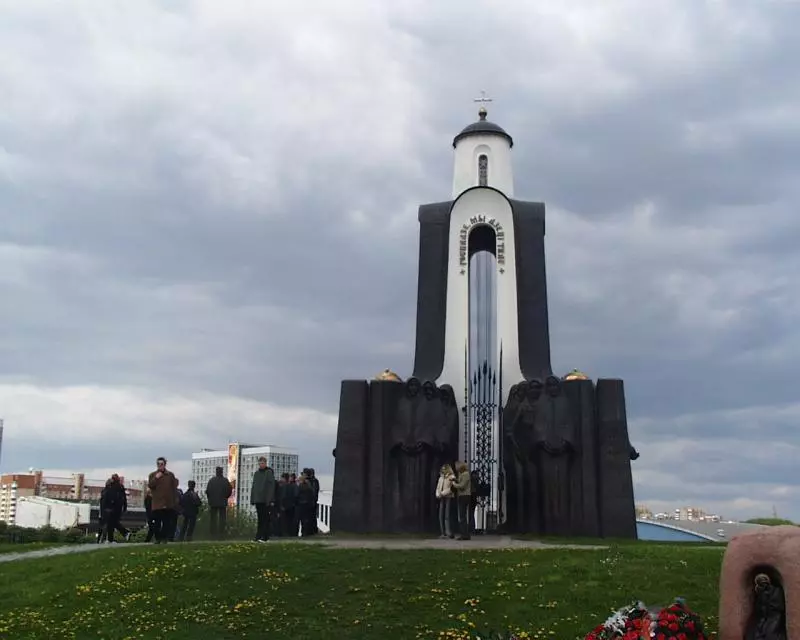 Landschaftsaufnahme der Träneninsel in Minsk.
Photo: Markus Lenk
Landschaftsaufnahme der Träneninsel in Minsk.
Photo: Markus Lenk
Overview and travel character
The country is shaped by broad plains, rivers, spa towns, castles, memorial sites, and cities with both Soviet and older histories. When planning, it is important to consider distances, the time of year, transport, and specific connections together. Depending on the region, short city journeys, long train rides, considerable distances, and seasonal conditions can significantly affect the itinerary.
For visitors, current entry requirements, transport connections, and regional advisories are particularly important to check before planning. If you plan realistically, it is better to choose a few fixed stops and leave time between them for transfers. This helps with arrival days, longer bus or train journeys, and regions where the weather, season, or local holidays may change the day’s plans.
Cities, landscapes, and culture
Minsk, Brest, Gomel, the lake regions, nature reserves, and castles such as Nesvizh are among the best-known points of interest. A good itinerary combines well-known places with quieter stretches. Capitals, old towns, museums, and markets provide orientation, while coastlines, mountains, rivers, lakes, or spa towns change the pace and make a trip feel less crowded.
Belarus is suited to travelers who focus less on quick highlights and more on landscapes, everyday city life, and history. It is especially helpful to set one clear focus for each day. A museum, a neighborhood, a viewpoint, or a stretch through the countryside is more likely to stay with you than an itinerary that packs too many stops into a short time.
Routes and combinations
A route can be organized around Minsk, the western regions, lakes, and selected historic sites. Minsk Brest Belarusian lakes The best combinations follow actual transport routes and connect nearby themes. A country page helps you organize your options, but does not replace checking specific journeys, places to stay, and seasonal connections.
For tours, check distances, border requirements, rail connections, and local transfers well in advance. For a round trip, two to four carefully chosen bases are often more comfortable than changing locations every day. From there, you can combine excursions, city visits, and nature destinations more easily. If you are traveling by car, consider parking and road quality; by bus or train, frequency, transfers, and the return journey matter more than straight-line distance.
When to visit and practical tips
Summer and early autumn are pleasant for nature and lakes, while city visits can also work well in spring and winter. Spring and autumn are often good for cities, tours, and active days outdoors. Summer is especially suited to the coast, lakes, long evenings, and mountain regions, but can put more pressure on accommodation and transport. In winter, short journeys, museums, cafés, thermal baths, and winter sports resorts become more important.
Before booking, check current entry advisories, timetables, opening hours, public holidays, local rules, and weather conditions. It is worth checking again shortly before traveling to border regions, national parks, islands, mountain routes, and historic sites. Leaving extra time in your daily schedule is not a waste—it allows for spontaneous discoveries and breaks. In Belarus, accommodation options should be considered alongside the main daily journeys and realistic breaks.
Combining cities and landscapes in Belarus
Belarus is often seen through the lens of Minsk, but it also offers historic sites, lakes, forests, memorials, and peaceful landscapes. When planning a route, combine time in the city with excursions that are within easy reach, and allow enough time for connections between regions.
For further orientation, see Minsk, Vitebsk, and Belarusian Lakes. Check entry requirements, local transport connections, payment options, and current travel advisories directly before planning.
Understanding Belarus as a travel destination
Belarus is easiest for travelers to understand when the capital, natural areas, and smaller cities are considered together. Minsk is the main starting point, while lakes, forests, memorial sites, and regional cities offer a quieter picture of the country. Before making specific travel plans, check current entry requirements, transport connections, the security situation, and local rules. If you are planning a trip to Belarus, avoid combining too many far-flung places. Instead, choose a few easily accessible stops and allow plenty of time for journeys, breaks, and getting your bearings.
Planning a trip by region and leg
A good trip begins with understanding the area you want to visit. Cities, landscapes, historic sites, and transport hubs should not be treated as an arbitrary list. Two to four accessible bases are usually easier to manage than changing locations every day. Before booking, check the latest official guidance on entry, safety, transport, opening hours, and local rules. In Belarus, accommodation options should be considered alongside the main daily journeys and realistic breaks.
For city stays, being near a train station, having central routes within easy reach, and reliable connections are often more important than a small saving on accommodation farther out. For nature and regional trips, consider services, excursion routes, and the return journey. Families and travelers who prefer a slower pace are better off planning one main activity, one flexible addition, and a break. For thematic context, see Russia, Ukraine, Belarus, the Golden Ring, Crimea, and more of Eastern Europe. These links are no substitute for checking current transport and safety information. In Belarus, accommodation options should be considered alongside the main daily journeys and realistic breaks.
Practical choices
The best leg of a trip depends on why you are traveling. City-focused travelers can plan cultural attractions with short journeys, while nature-focused travelers should check the weather, daylight hours, and available services. For long distances, allow a full day for the transfer. Timetables or access arrangements may change, so checking official information just before departure should be part of your preparations. In Belarus, departure points, transfers, and the return journey should therefore be planned around the specific day’s itinerary.
Accommodation should not be chosen on price alone. Consider access to transport, shopping, return routes, and whether the location fits your daily plans. On a round trip, a clear pattern of location changes makes it easier to stay oriented. A few well-prepared destinations are more rewarding than an overloaded itinerary. These principles also help with last-minute changes and support responsible, flexible travel planning. In Belarus, accommodation options should be considered alongside the main daily journeys and realistic breaks.
Practical guidance for Belarus
For planning purposes, Belarus can be divided into different types of trip. Minsk works well as an urban base, with short journeys to museums, parks, and train stations. Smaller towns, lakes, and forest landscapes are better understood as peaceful stops on longer legs. If you are combining several regions, check distances and possible transfers in advance, and allow extra time in case plans change. This is especially important if your trip is not limited to a single city center.
When choosing accommodation, set clear priorities: in the center, consider access to transport and attractions; outside the center, consider the return journey, services, and how easy it actually is to reach excursion destinations. A list of place names is no substitute for checking opening hours or local rules. That is why checking current entry, safety, and transport advisories should be part of your preparations immediately before traveling. For nature destinations, also check whether routes may be restricted by the season, weather, or local regulations.
A reliable itinerary leaves room for flexibility. One main base with two or three day trips is often easier to manage than changing hotels every day. The linked pages about nearby destinations can help with geographical context, but current information from official authorities and service providers is what counts. For firm travel decisions, check the latest requirements from official authorities and service providers; older guidance may change at short notice.
A checklist for your preparations
Before settling on a travel leg, check which documents, payment methods, and communication options you will need. Then confirm the specific connection, accommodation address, and an accessible alternative. For a day trip, note the return journey, weather, and available services together. This order helps you see which details are confirmed and which need to be checked again shortly before departure. In Belarus, accommodation options should be considered alongside the main daily journeys and realistic breaks.
If you are traveling with children, older people, or a lot of luggage, allow extra time for breaks and avoid tight connections. A peaceful base can be more valuable than a packed itinerary. Even on a short trip, it is a good idea to save important information for offline access and share your general route with someone you know. These are general planning tips, not guarantees about local conditions. In Belarus, plan journeys and breaks with the needs and stamina of everyone traveling in mind.
It is also worth briefly comparing your priorities as part of your preparations: consider location, time needed, return journey, cost, and flexibility together. A short written checklist can keep one appealing destination from dictating the entire route. Only use definitive details once you have checked current official sources and direct information from providers. In Belarus, departure points, transfers, and the return journey should therefore be planned around the specific day’s itinerary.
For travel planning, Belarus can be divided by city, history, landscape, and the time available. Minsk, Brest, Grodno, and Novogrudok offer different points of focus. Culture and history and nature and landscapes can help you choose without making every region a must-see stop.
Before finalizing a route, check the latest information on getting there and transport, entry and documents, travel preparations, and staying safe on the road. Plan money and payments, accommodation, and the return journey around confirmed conditions. For longer distances, a manageable leg with extra time is more reliable than a tightly packed schedule with several changes of direction.
Conclusion: planning your trip
Belarus is a quieter destination in Eastern Europe that, with good preparation, is most rewarding for its nature, cities, and regional history. Planning around your interests makes it easier to find the right mix of well-known places, regional culture, and peaceful stretches. This turns an overview into a useful foundation for a trip that works in terms of time, theme, and geography.
